
Mold From AC Condensation in Brevard County: What Merritt Island Property Owners Should Know
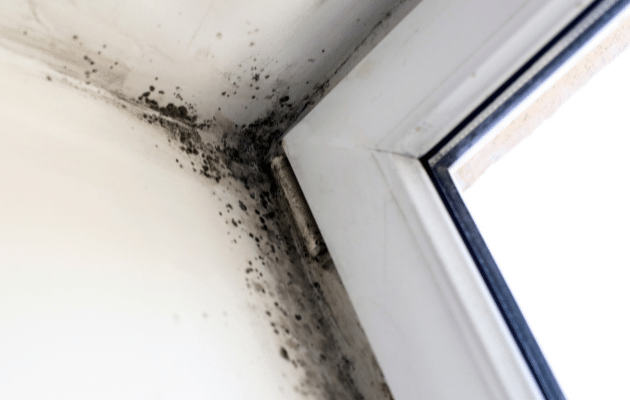
In Brevard County—especially on Merritt Island—air conditioning condensation is one of the most common hidden causes of mold. Homes run AC most of the year, and every cooling cycle creates moisture. When that moisture isn’t drained, dried, and controlled properly, it quietly feeds mold in air handlers, closets, ceilings, walls, and ductwork.
The tricky part? There’s usually no dramatic leak. Condensation problems are slow, steady, and easy to miss—until mold shows up or indoor air quality drops.
This guide explains how AC condensation causes mold in Merritt Island homes, the warning signs to watch for, and what property owners should do to prevent costly damage.
🌴 Why AC Condensation Is a Big Problem in Brevard County
Local conditions amplify condensation issues:
- High outdoor humidity year-round
- Long cooling seasons (AC runs most days)
- Salt air that slows evaporation and corrodes components
- Slab foundations that keep interiors cool near floors
- Tightly sealed homes with limited natural airflow
In this environment, condensation doesn’t dry quickly—and mold loves that.
🦠 How AC Condensation Turns Into Mold
Condensation-related mold usually develops like this:
- Warm, humid air hits cold AC components
- Water condenses on coils, drain pans, or ductwork
- Drain lines clog or pans don’t empty fully
- Moisture sits in dark, low-airflow spaces
- Mold begins growing within 24–48 hours
- Spores and odors circulate through the home
Because the system keeps running, moisture is constantly replenished.
🌬️ Common AC-Related Mold Hotspots
AC condensation problems don’t stay inside the unit.
High-risk areas include:
- Air handlers (coils, drain pans, cabinets)
- Drain lines (partial clogs or biofilm buildup)
- Ductwork (especially insulated ducts in attics)
- Ceilings and walls below attic units
- Closets housing air handlers
- Supply vents and registers
- Nearby drywall and framing
If mold shows up near vents or smells worse when the AC runs, the system is often involved.
👃 Early Warning Signs of AC Condensation Mold
Condensation mold usually announces itself subtly.
Watch for:
- Musty odors when the AC turns on
- Smells stronger on humid days
- Condensation around vents
- Dripping from air handler cabinets
- Rust or corrosion on AC components
- Bubbling or peeling paint near the unit
- Allergy or breathing symptoms indoors
If odors stop when the AC is off and return when it runs, that’s a key clue.
🤧 Health Effects Linked to AC-Related Mold
Because HVAC systems distribute air, exposure can be widespread.
Possible symptoms include:
- Sneezing, coughing, or wheezing
- Sinus congestion or headaches
- Eye, skin, or throat irritation
- Worsening asthma or allergies
- Fatigue or shortness of breath
Unlike isolated mold, AC-related mold can affect every room.
🧪 Why AC Condensation Mold Is Often Missed
These problems are commonly overlooked because:
- There’s no obvious “leak”
- Moisture is expected around AC systems
- Mold is hidden inside equipment
- Odors are blamed on humidity
- Drain lines appear to be working (but aren’t fully)
By the time mold is visible, growth may be established in ducts or walls.
🧽 Why DIY Cleaning Doesn’t Fix the Problem
Surface cleaning won’t stop condensation-fed mold.
DIY approaches fail because:
- Mold grows inside equipment and insulation
- Bleach doesn’t penetrate porous duct liners
- Drain issues remain unresolved
- Spores are spread during cleaning
- Humidity and airflow problems persist
If condensation continues, mold will return.
🛑 When Professional Assessment Is Needed
Professional help is strongly recommended if:
- Musty odors come from vents
- Mold appears near AC units
- Drain pans hold standing water
- Ceilings or walls below the unit stain
- Symptoms worsen when AC runs
- Mold returns after cleaning
Early assessment can prevent duct replacement or wall removal.
🧾 AC Condensation, Insurance, and Documentation
AC-related mold can raise insurance questions.
Best practices:
- Photograph visible moisture or staining
- Document odors and when they occur
- Keep HVAC maintenance records
- Note drain line cleanings or clogs
- Avoid dismantling equipment before documentation
Coverage often depends on whether the issue is seen as sudden vs. maintenance-related.
🛠️ Preventing Mold From AC Condensation
Prevention focuses on drainage, airflow, and humidity control.
Effective steps include:
- Keep indoor humidity below 55% (50% ideal)
- Clean AC drain lines regularly
- Ensure drain pans empty completely
- Replace air filters every 30–60 days
- Keep air handlers clean and sealed
- Ensure ducts are properly insulated
- Run AC consistently (don’t shut it off in humid weather)
- Use dehumidifiers if needed
In coastal homes, AC systems must do more than cool—they must dehumidify effectively.
🌊 Why Merritt Island Homes Are Especially Vulnerable
Merritt Island homes face:
- Constant humidity from surrounding waterways
- Salt air corrosion of HVAC components
- Long runtimes that create continuous condensation
- Attic-installed air handlers exposed to heat
Without aggressive moisture management, condensation problems are common.
📉 How AC-Related Mold Affects Property Value
Unchecked HVAC mold can lead to:
- Failed inspections
- Required duct or system remediation
- Buyer hesitation
- Insurance complications
- Reduced resale value
HVAC mold is often viewed as a whole-home air quality issue.
✅ Final Takeaway for Merritt Island Property Owners
In Brevard County, AC condensation is one of the quietest ways mold starts.
To protect your home:
✔ Take musty odors seriously
✔ Watch for condensation near vents and units
✔ Maintain drain lines and pans
✔ Control indoor humidity
✔ Don’t rely on surface cleaning
When it comes to mold, cool air without moisture control is a recipe for problems.
