
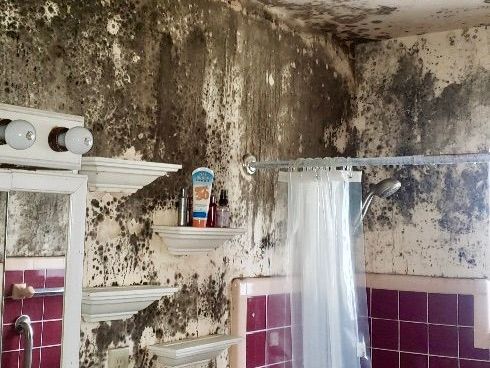
Mold in Bathrooms in South Merritt Island: What Merritt Island Property Owners Should Know
Bathrooms are one of the most common places for mold to develop in South Merritt Island homes. With daily water use, warm temperatures, and constant coastal humidity, bathrooms rarely get a full chance to dry out. Even well-kept homes can struggle with recurring mold in these spaces, especially when ventilation or moisture control falls short.
For Merritt Island property owners, bathroom mold is not usually a sign of poor cleaning habits. It is almost always a moisture management issue tied to how bathrooms are used and how homes respond to humidity in a coastal environment. Understanding why mold forms in bathrooms, where it hides, and how it should be handled helps prevent repeat problems and unnecessary repairs.
Why Bathrooms Are High-Risk Areas in South Merritt Island
Bathrooms create moisture every single day. Showers, baths, sinks, and toilets release steam and water vapor into the air. In South Merritt Island, that moisture does not easily escape because outdoor humidity is already high.
When humid air cannot vent properly, it settles on cool surfaces like ceilings, walls, mirrors, and tile grout. Over time, this repeated moisture exposure creates ideal conditions for mold growth.
In coastal homes, bathrooms often stay damp longer than expected, even when surfaces appear dry.
Mold Can Develop Without Plumbing Leaks
Many homeowners assume bathroom mold only appears when there is a plumbing leak. In reality, most bathroom mold in South Merritt Island forms without any leaks at all.
Condensation from daily showers is often enough to support mold growth. Steam rises and collects on ceilings, inside exhaust fan housings, and behind walls. If ventilation is weak or rarely used, moisture lingers and mold slowly develops.
Because this process is gradual, mold may not be noticed until discoloration or odors appear.
Common Places Mold Appears in Bathrooms
Bathroom mold tends to grow in predictable locations where moisture and limited airflow combine.
Common problem areas include:
- Shower walls and tile grout
- Caulking around tubs and sinks
- Bathroom ceilings
- Around exhaust fans
- Under sinks and vanities
- Behind toilets
- Inside wall cavities near plumbing
These areas experience frequent moisture and are often overlooked during routine cleaning.
Ceiling Mold Is Especially Common
Ceiling mold is one of the most common bathroom issues in South Merritt Island. Warm, moist air rises during showers and condenses on cooler ceiling surfaces.
If exhaust fans are weak, clogged, or rarely used, moisture remains trapped near the ceiling. Over time, this leads to mold growth that often appears as dark spots or widespread discoloration.
Ceiling mold is usually a ventilation problem rather than a cleaning issue.
Exhaust Fans and Bathroom Mold
Bathroom exhaust fans play a critical role in moisture control. In many homes, fans are undersized, improperly vented, or not used long enough after showers.
In some cases, fans vent into attics instead of outside, pushing moisture into roof structures. This not only causes bathroom mold but can also create attic mold problems over time.
Proper exhaust fan function is one of the most important factors in preventing bathroom mold in coastal homes.
Hidden Mold Behind Bathroom Walls
Not all bathroom mold is visible. Moisture can move behind walls through small gaps in grout, caulk, or fixtures.
Hidden mold often develops:
- Behind shower surrounds
- Inside walls near plumbing lines
- Under bathroom flooring
- Behind vanities
These areas may remain damp long after visible surfaces dry. Hidden mold often explains recurring odors or mold that returns after cleaning.
Slab Foundations and Bathroom Moisture
Most homes in South Merritt Island are built on slab foundations. Ground moisture can migrate upward through concrete as vapor, increasing humidity at floor level.
In bathrooms, this added moisture combines with daily water use, making floors, baseboards, and lower walls more vulnerable to mold. This is especially common in bathrooms located on exterior walls.
Understanding slab-related moisture helps explain why some bathrooms struggle more than others.
Why DIY Bathroom Mold Cleanup Often Fails
Many homeowners try to remove bathroom mold using bleach or household cleaners. While this may lighten stains temporarily, it rarely fixes the underlying issue.
DIY cleanup often fails because:
- Moisture sources are not corrected
- Mold behind walls is untouched
- Water-based cleaners add moisture
- Caulk and grout remain damp underneath
- No steps are taken to improve ventilation
In South Merritt Island’s humid climate, mold usually returns unless moisture is controlled.
Mold and Bathroom Odors
Musty odors in bathrooms are often linked to hidden mold rather than surface grime. Odors may linger even after cleaning because mold is growing behind walls, under flooring, or inside exhaust fan housings.
Masking odors with sprays does not address the cause. Persistent smells almost always point to moisture trapped somewhere out of sight.
Odors are a signal to investigate, not just clean.
How Bathroom Mold Is Properly Addressed
Properly addressing bathroom mold starts with identifying moisture sources. This includes evaluating ventilation, checking exhaust fan performance, inspecting caulk and grout, and looking for hidden moisture behind fixtures.
When mold is present, effective steps typically include:
- Improving ventilation and airflow
- Correcting exhaust fan issues
- Removing mold-affected materials when necessary
- Cleaning non-porous surfaces appropriately
- Drying the space thoroughly
Without moisture correction, bathroom mold removal is temporary.
Containment During Mold Removal
If mold removal involves disturbing drywall, ceilings, or wall cavities, containment becomes important. Disturbing mold without containment can spread spores into other parts of the home.
Proper containment keeps mold localized and protects the rest of the house during remediation. This is especially important in homes with shared HVAC systems.
Drying Is a Key Step
After mold removal, drying is essential. In coastal Florida, natural drying is rarely enough.
Dehumidification and air movement help remove moisture from walls, ceilings, and floors. Drying continues until moisture levels no longer support mold growth.
Skipping or rushing this step often leads to mold returning.
Long-Term Effects of Ignoring Bathroom Mold
Ignoring bathroom mold allows moisture to continue damaging materials. Over time, drywall softens, paint fails, grout deteriorates, and framing can be affected.
In rental properties, bathroom mold is a frequent source of tenant complaints. Addressing issues early reduces repair costs and avoids larger remediation later.
Bathroom mold is often an early warning sign of broader moisture issues in the home.
Preventing Bathroom Mold in South Merritt Island
Prevention focuses on moisture control and ventilation. Practical steps include:
- Using exhaust fans during and after showers
- Ensuring fans vent outdoors, not into attics
- Keeping bathroom doors open when possible
- Repairing damaged caulk and grout promptly
- Monitoring indoor humidity
- Inspecting ceilings and corners regularly
Consistency is critical in a coastal environment.
Why Local Experience Matters
Bathroom mold in South Merritt Island behaves differently than in drier climates. Coastal humidity, slab foundations, salt air exposure, and storm patterns all influence how moisture builds up indoors.
Local experience helps identify why mold is forming and which solutions actually work in this environment. Mold Removal Merritt Island understands how bathrooms in South Merritt Island homes respond to moisture and addresses mold with strategies grounded in real local conditions.
A Practical Takeaway for Property Owners
Mold in bathrooms is one of the most common and manageable mold issues in South Merritt Island homes. It is rarely about cleanliness and almost always about moisture balance.
By focusing on ventilation, humidity control, proper drying, and early evaluation, most bathroom mold problems can be resolved before they spread. Surface cleaning alone rarely provides lasting results.
For Merritt Island property owners dealing with recurring bathroom mold or hidden moisture concerns, professional evaluation provides clarity and direction. Mold Removal Merritt Island helps homeowners move from repeated bathroom mold issues to long-term solutions built around moisture control and the realities of South Merritt Island’s coastal environment.
