
Seasonal Mold Problems in Indian River: What Merritt Island Property Owners Should Know
Homes near the Indian River Lagoon offer beautiful views and easy access to boating, fishing, and coastal living. But along with these benefits comes a challenge many Merritt Island homeowners face every year: seasonal mold problems.
Unlike sudden mold growth caused by leaks or flooding, seasonal mold tends to develop gradually as humidity and weather conditions change throughout the year. Many homeowners notice mold smells or spots appear at certain times, disappear, and then return again the following season.
Understanding how mold patterns shift with Florida’s seasons helps Indian River property owners prevent recurring problems and keep homes healthier year-round.
Why Seasonal Mold Problems Occur in Indian River Homes
Florida’s climate doesn’t experience dramatic seasonal temperature swings like northern states, but seasonal changes still affect indoor moisture conditions.
Homes along the Indian River are especially vulnerable because they are constantly exposed to:
• Coastal humidity
• Frequent rainstorms
• Warm temperatures
• High groundwater levels
• Salt air exposure
These conditions change slightly throughout the year, and each season brings its own mold challenges.
Mold Problems During Florida’s Summer Months
Summer is often the most active mold season in Merritt Island.
Heavy Rainfall and Storms
Summer brings frequent afternoon thunderstorms and occasional tropical systems. Even minor leaks allow moisture to enter attics and walls.
Constant High Humidity
Humidity remains elevated both outdoors and indoors. Homes may struggle to dry fully between rain events.
Increased AC Usage
Air conditioning runs constantly, and condensation problems sometimes develop around ducts or air handlers.
Vacation Travel
Some homeowners leave properties for extended periods, allowing humidity to build indoors if cooling systems are adjusted.
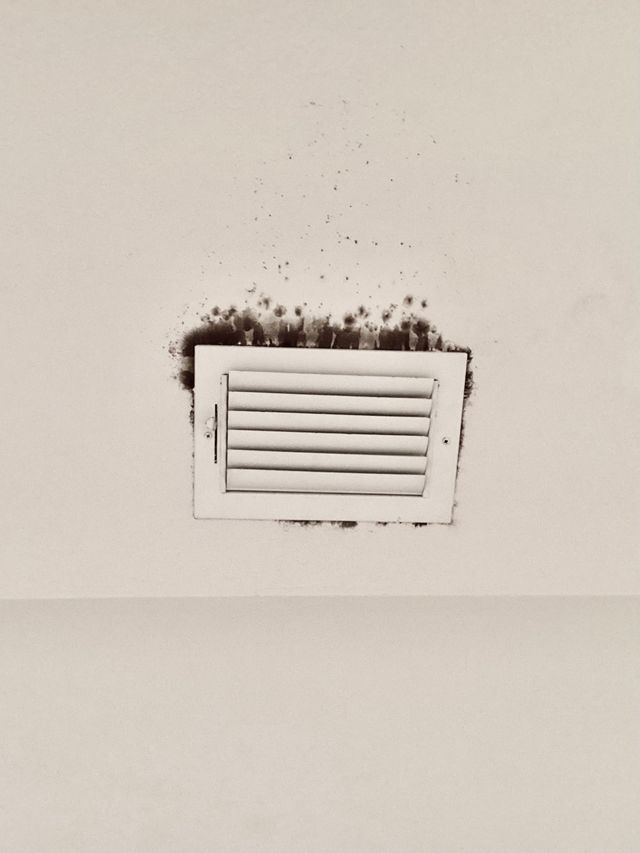
During summer, mold often appears in attics, closets, ceilings, and around vents.
Mold Issues During Hurricane Season
Hurricane season overlaps with summer and early fall, creating additional moisture risks.
Wind-Driven Rain
Strong winds push rain into small openings around roofs, windows, or siding.
Temporary Power Outages
Air conditioning shutdowns during storms allow indoor humidity to spike quickly.
Flooding or Water Intrusion
Some areas near the Indian River experience localized flooding or water intrusion during storms.
Even minor storm damage can lead to mold weeks later if moisture isn’t detected and dried quickly.
Fall Mold Concerns in Merritt Island
Fall often brings lingering humidity even after peak storm season ends.
Residual Moisture From Summer
Materials that became damp during summer may remain humid long after storms pass.
Reduced Air Conditioning Use
As temperatures slightly cool, homeowners sometimes run AC less frequently, allowing humidity to increase indoors.
Vacation Rental Turnover
Short-term rental homes near the Indian River may sit vacant between guests, leading to humidity buildup.
Fall mold often appears in closets, guest rooms, and storage spaces.
Winter Mold Problems in Coastal Florida
Many people assume mold problems decrease in winter, but Merritt Island’s mild winters still allow mold growth.
Indoor Humidity Still Remains High
Florida winters remain humid compared to northern states.
Reduced Ventilation
Windows may stay closed more often, trapping indoor moisture.
Seasonal Residents Return
Winter residents or snowbirds may reopen homes that have sat vacant, discovering mold growth that developed during vacancy.
Temperature Differences Cause Condensation
Cooler nights combined with warm indoor air sometimes create condensation on walls or windows.
Winter mold commonly appears around windows, closets, and areas with limited airflow.
Spring Mold Conditions in Indian River Homes
Spring prepares conditions for summer mold growth.
Increasing Humidity
Humidity begins rising as temperatures climb.
AC Systems Restart
Air conditioning systems restarting after winter sometimes reveal condensation or drainage issues.
Rainfall Begins Increasing
More frequent rain events introduce new moisture challenges.
Spring inspections often reveal mold in attics or crawl spaces before summer conditions worsen.
Common Areas Where Seasonal Mold Appears
Seasonal mold often develops in areas homeowners don’t check frequently.
Attics
Seasonal temperature shifts create condensation under roof decking.
Crawl Spaces
Ground moisture rises seasonally after heavy rain.
Behind Walls
Minor leaks from storms or condensation create hidden mold.
Closets and Storage Areas
Limited airflow allows humidity to remain trapped.
HVAC Systems
Seasonal AC operation changes sometimes cause condensation buildup.
Under Flooring
Moisture trapped under tile or laminate flooring can lead to mold growth.
These areas may show mold only during certain times of year.
Warning Signs Mold Is Developing Seasonally
Homeowners often notice mold patterns repeating annually.
Signs include:
• Musty odors appearing during certain seasons
• Mold spots returning in the same locations
• Damp indoor air during humid months
• Peeling paint near ceilings or floors
• Mold near vents or windows
• Persistent humidity indoors
Recurring mold often indicates moisture conditions changing seasonally.
Why DIY Seasonal Mold Cleaning Often Fails
Homeowners sometimes clean mold each year without addressing the underlying cause.
Common DIY challenges include:
• Only visible mold removed
• Moisture conditions unchanged
• Hidden growth remains behind materials
• Mold returning seasonally
• Cleaning spreading spores
Without correcting humidity or moisture sources, mold continues returning each season.
How Professional Mold Inspection Helps
Professional inspection helps determine why mold appears seasonally.
Inspection typically includes:
Visual Assessment
Inspecting attics, crawl spaces, walls, and HVAC systems.
Moisture Detection Tools
Meters and infrared cameras locate hidden moisture.
Air or Surface Sampling (when needed)
Testing measures contamination levels.
Clear Explanation of Findings
Homeowners receive guidance on corrective steps.
Professionals familiar with coastal homes, such as Mold Removal Merritt Island, often recognize seasonal moisture patterns quickly because they understand how Indian River conditions affect local homes.
What Proper Mold Remediation Looks Like
If seasonal mold has spread significantly, remediation may be necessary.
Typical remediation steps include:
Containment Setup
Preventing spores from spreading during cleanup.
Removal of Contaminated Materials
Damaged drywall or insulation may need replacement.
Cleaning and Treatment
Remaining surfaces are professionally cleaned.
Moisture Source Correction
Leaks or ventilation issues are addressed.
Prevention Improvements
Humidity control upgrades help prevent recurrence.
Correcting moisture conditions prevents seasonal mold return.
How Homeowners Can Prevent Seasonal Mold
Consistent moisture management helps reduce seasonal mold risk.
Maintain Air Conditioning Systems
Regular servicing prevents condensation issues.
Monitor Indoor Humidity Year-Round
Aim to keep humidity below 55%.
Improve Ventilation
Bathrooms and kitchens should vent outdoors.
Inspect After Storms
Check attics and ceilings after heavy rain.
Monitor Crawl Spaces
Install moisture barriers where needed.
Address Leaks Quickly
Even minor leaks can create seasonal mold growth.
Regular inspections help catch problems early.
Why Local Experience Matters in Indian River Homes
Homes near the Indian River face moisture challenges not common inland.
Professionals familiar with Merritt Island understand:
• Seasonal humidity shifts
• Storm-related moisture patterns
• Typical building designs
• Common moisture entry points
• Frequent mold growth locations
Local knowledge allows faster diagnosis and prevention planning.
Staying Ahead of Seasonal Mold Problems
Seasonal mold problems are common in coastal communities like Merritt Island, but they don’t have to become a yearly frustration. Homes near the Indian River experience predictable humidity and weather patterns that can be managed with proper moisture control.
Homeowners who monitor humidity, inspect homes seasonally, and correct moisture problems early often avoid recurring mold cleanup. When needed, experienced local professionals like Mold Removal Merritt Island can help identify seasonal moisture patterns and recommend solutions that prevent mold from returning.
