
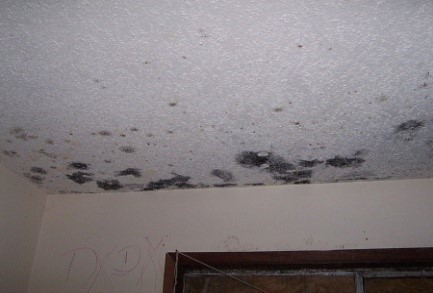
 Mold in Healthcare Facilities in Merritt Island: What Merritt Island Property Owners Should Know
Mold in healthcare facilities is a serious concern with direct implications for patient health, staff safety, and the broader community — including property owners in Merritt Island, Florida. Because hospitals, clinics, urgent care centers, and long-term care facilities operate around the clock and house vulnerable populations, moisture control and indoor air quality are critical. If mold develops in these buildings, the consequences can be more serious than in ordinary commercial spaces.
As a Merritt Island property owner, even if you don’t own a healthcare facility, understanding how mold behaves in medical environments helps you protect your own investment property and tenants from similar risks.
🧠 Why Healthcare Facilities Are at Risk for Mold
Healthcare buildings face unique challenges that make them more susceptible to mold growth:
💧 1. Constant Water Use
Hospitals and clinics depend on frequent water use for:
- Patient hygiene
- Sterilization procedures
- Laundry
- Medical equipment operations
Plumbing systems under constant demand can develop leaks, condensation, or hidden moisture behind walls — perfect conditions for mold.
🌀 2. Complex HVAC Systems
Medical facilities use advanced HVAC (Heating, Ventilation, and Air Conditioning) systems to:
- Control air quality
- Maintain specific temperature/humidity levels
- Filter pathogens
However, if HVAC maintenance is lax, ductwork becomes a place where condensation collects, encouraging spores to spread throughout the building.
🧪 3. Moisture from Sterile Areas
Operating rooms, lab areas, and sterilization departments require frequent cleaning and disinfecting. Without proper drying and ventilation, this moisture becomes fuel for mold growth.
🏗️ 4. Building Age & Infrastructure
Older facilities — not uncommon even in Brevard County — may not have been built for modern moisture challenges. Cracks in foundations, outdated roofing, and poor insulation all contribute to hidden leaks and trapped moisture.
📈 The Health Risks of Mold in Healthcare Settings
In everyday buildings, mold can cause discomfort. In healthcare environments, the stakes are higher.
👶 Vulnerable Populations at Risk
Healthcare facilities care for:
- Infants
- Elderly patients
- People with compromised immune systems
- Patients undergoing surgery or cancer treatment
These groups are far more sensitive to mold exposure than the general population.
🤧 Common Symptoms and Complications
Exposure to mold spores can lead to:
- Respiratory irritation and coughing
- Aggravated asthma attacks
- Allergic reactions
- Sinus infections
- In rare cases, systemic infections in immunocompromised patients
Even short stays in affected areas can negatively impact recovery, making prevention essential.
🚑 Spread and Amplification
In medical buildings, airflow systems can carry spores:
- From damp hidden spaces into patient wards
- Through ductwork into multiple floors
- Into waiting rooms and clinical areas
This makes early detection and remediation a top priority.
🛡 How Healthcare Facilities Typically Manage Mold
Healthcare operators in Merritt Island and across Brevard County follow strict protocols that generally include:
🔎 1. Frequent Inspections
Regular walk-throughs and building assessments focus on:
- Ceilings and drywall for discoloration
- Leaky plumbing and condensation
- Damp spots around windows and doors
- HVAC filters & duct inspections
Frequent monitoring helps catch water issues before mold takes hold.
💨 2. Moisture Control & Ventilation
To keep humidity and moisture in check, facilities:
- Use high-grade dehumidification systems
- Maintain positive airflow in sterile zones
- Keep bathrooms and high-water-use zones well-ventilated
🧰 3. Rapid Response to Water Intrusion
When water leaks occur, procedure generally requires:
- Immediate isolation of affected zones
- Complete drying and moisture extraction
- Professional mold inspection
- Remediation if mold is detected
- Air quality testing before re-entry
These stringent steps help protect patients and staff.
🏠 What This Means for Merritt Island Property Owners
Even if you don’t operate or own a medical facility, mold in healthcare settings can affect you in key ways:
📍 1. Shared Community Health Awareness
When mold issues occur in local hospitals or clinics, public awareness rises. Tenants and community members become more attentive to:
- Indoor air quality
- Moisture concerns in their own homes
- Signs of mold in rental units
This means property owners may see an uptick in mold-related service calls and complaints.
📍 2. Environmental Factors Are Shared
Mold doesn’t respect property lines. If humidity conditions, rainfall patterns, or underground water tables contribute to mold risk in large institutional buildings in Merritt Island, those same environmental factors influence:
- Residential properties
- Commercial rentals
- Office spaces
Understanding these shared risks empowers owners to take preventive action.
📍 3. Increased Tenant Expectations
Healthcare stories about indoor air quality make tenants more aware and less tolerant of even minor mold or moisture issues. As a property owner, maintaining a mold-free environment becomes a key differentiator in keeping tenants satisfied and leases renewed.
🛠 Practical Mold Prevention Tips for Merritt Island Properties
Here are specific steps property owners should take to protect their investments:
✅ Improve Ventilation
Good airflow reduces moisture buildup and discourages mold growth.
- Ensure all vents are clear and unobstructed
- Keep HVAC systems maintained seasonally
- Use exhaust fans in bathrooms and kitchens
✅ Control Indoor Humidity
Aim to keep indoor humidity between 30–50% to make mold less likely.
- Install dehumidifiers in high-moisture areas
- Avoid clogged or blocked air returns
- Inspect and clean AC drip pans regularly
✅ Repair Leaks Promptly
Water intrusion is mold’s biggest ally.
- Inspect roofs after storms
- Check under sinks and around plumbing joints
- Seal cracks in foundations and exterior walls
✅ Use Mold-Resistant Materials
When renovating or building:
- Choose mold-resistant drywall
- Use moisture-blocking insulation
- Apply mold-inhibiting paint
🧪 Mold Testing vs. Mold Remediation
Understanding these two responses helps you act effectively:
🧪 Mold Testing
Testing reveals:
- Whether mold is present
- Spore counts and concentrations
- Types of mold (which guide remediation plans)
This documentation is useful for negotiations, repairs, and insurance claims.
🧼 Mold Remediation
Remediation involves:
- Removing mold-tainted materials
- Cleaning with professional antimicrobial agents
- Fixing the moisture source
- Restoring damaged areas
Always hire trained professionals — improper remediation can spread spores and worsen the problem.
📌 Florida Regulations and Healthcare Facilities
Florida regulations emphasize safe, sanitary environments in healthcare settings. Persistent mold problems in medical facilities can lead to:
- Health department involvement
- Mandatory inspections
- Required corrective actions
If you observe potential mold issues in a healthcare building or nearby community facility, reporting concerns to administrators or local health authorities ensures proper investigation and resolution.
🧑🔧 Final Thoughts: Prevention Protects Everyone
Mold in healthcare facilities is a complex, high-stakes issue — but the lessons learned apply directly to Merritt Island property ownership:
- Stay vigilant about moisture and humidity
- Inspect regularly and address problems early
- Respond to tenant concerns proactively
- Keep HVAC systems and building structures in excellent repair
By prioritizing mold prevention now, you protect your investment, enhance tenant satisfaction, and contribute to healthier indoor environments throughout your community.
