
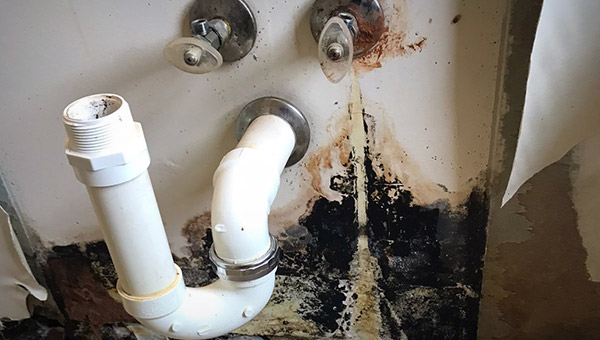
Mold After Plumbing Leaks in South Merritt Island: What Merritt Island Property Owners Should Know
Plumbing leaks are one of the most common causes of mold in South Merritt Island homes. Unlike roof leaks, plumbing issues often develop quietly, hidden behind walls, under cabinets, or beneath flooring. By the time a leak is discovered, moisture may have been present for weeks or even months — more than enough time for mold to grow in this coastal environment.
South Merritt Island’s proximity to the Banana River and Indian River keeps humidity levels high year-round. When plumbing leaks add direct water exposure to that background moisture, drying becomes slow and mold risk increases significantly. Understanding how plumbing leaks lead to mold helps property owners act early and avoid repeated problems.
Why Plumbing Leaks Are Especially Problematic in South Merritt Island
In South Merritt Island, moisture never fully leaves the environment. High humidity slows evaporation, so wet materials stay damp far longer than they would inland. Even a small plumbing leak can saturate drywall, wood, or cabinetry and keep it wet long enough for mold to develop.
Salt air also accelerates corrosion in metal plumbing components, fittings, and valves. Over time, this increases the likelihood of pinhole leaks, failing connections, or slow drips that go unnoticed. Many homes here are older or have undergone renovations that combine old and new plumbing materials, adding another layer of risk.
Because leaks are often hidden, mold frequently develops before property owners realize there is a problem.
Common Plumbing Leaks That Lead to Mold
Not all plumbing leaks are dramatic. In South Merritt Island homes, mold often follows slow, persistent leaks rather than sudden pipe failures.
Common sources include leaking supply lines under sinks, failed wax rings beneath toilets, loose fittings behind washing machines, slow drips from shower valves, and aging pipes inside walls. Slab leaks are another concern, especially in homes built on concrete slabs with plumbing buried beneath the foundation.
These leaks may not cause immediate flooding, but they continuously introduce moisture into building materials.
Why Mold Often Appears After the Leak Is Fixed
Many property owners assume that once a plumber repairs the leak, the problem is resolved. In reality, fixing the plumbing only stops new water from entering. It does not remove moisture already trapped inside walls, floors, or cabinetry.
In South Merritt Island’s humid conditions, damp materials dry very slowly. Drywall, wood framing, and insulation can hold moisture for weeks, creating ideal conditions for mold growth even after repairs are complete.
This is why mold is often discovered days or months after a plumbing repair, when odors or visible signs finally appear.
Typical Mold Locations After Plumbing Leaks
Mold related to plumbing leaks is usually hidden. Under-sink cabinets are a common trouble spot, especially when leaks occur at supply lines or drain connections. The enclosed space and lack of airflow allow moisture to linger.
Behind drywall near bathrooms, kitchens, or laundry rooms is another frequent location. Water can soak into wall cavities without leaving visible marks until mold is well established.
Flooring can also be affected. In slab homes common to South Merritt Island, leaks beneath floors can lead to mold growth under tile, vinyl plank, or laminate flooring, often without obvious surface damage.
Warning Signs Mold May Be Present
Musty or earthy odors are often the first sign of mold after a plumbing leak. These smells may be strongest near cabinets, bathrooms, or laundry areas and may worsen after humid weather.
Other signs include swelling or discoloration of cabinetry, peeling paint, bubbling drywall, or warped flooring. In some cases, the home may feel persistently damp despite air conditioning running normally.
Any of these signs following a plumbing issue should prompt further investigation.
Why Under-Cabinet Mold Is Frequently Missed
Under-sink cabinets hide plumbing connections and are rarely inspected unless there is an obvious problem. Small leaks can drip slowly onto cabinet bases or into wall cavities without being noticed.
By the time staining or odors appear, mold may already be established inside the cabinet materials or behind the wall. Cleaning the visible area alone does not address hidden moisture or growth.
This makes under-cabinet inspections especially important after plumbing repairs.
Slab Leaks and Hidden Moisture Risks
Slab leaks are particularly challenging in South Merritt Island. Because plumbing runs beneath the concrete foundation, leaks may not be visible at all.
Moisture from slab leaks can migrate upward, increasing humidity inside the home and leading to mold beneath flooring or along lower wall sections. Property owners may notice higher water bills, warm spots on floors, or unexplained odors.
Because slab leaks are hidden, mold can develop extensively before being discovered.
Why DIY Drying and Cleaning Often Fails
After a plumbing leak, many property owners rely on fans, dehumidifiers, or surface cleaning. While these steps may help with visible moisture, they rarely address water trapped behind walls or under floors.
Drywall and cabinetry can feel dry on the surface while remaining damp internally. Without moisture measurements, it is difficult to know when materials are truly dry.
DIY cleaning also does not remove mold growing inside wall cavities or flooring systems, allowing the problem to continue quietly.
How Professional Inspections Help After Plumbing Leaks
Professional mold inspections focus on identifying moisture retention, not just visible mold. Inspectors use moisture meters and visual assessment to locate damp materials behind walls, under cabinets, and beneath flooring.
In South Merritt Island homes, inspections often reveal moisture spread beyond the original leak location. Water can travel along framing or pipes, affecting areas far from where the leak occurred.
Mold Removal Merritt Island works with local property owners to evaluate post-plumbing leak conditions using methods tailored to coastal humidity and building styles common to the area.
Proper Mold Remediation After Plumbing Leaks
Effective remediation after a plumbing leak involves removing both mold and moisture. This may require removing damaged cabinetry, drywall, or flooring materials to access and dry affected areas properly.
Containment and filtration are used to prevent mold from spreading during cleanup. Once materials are dry, repairs and replacements can be completed with confidence that mold will not return due to trapped moisture.
Simply cleaning visible mold without addressing hidden moisture often leads to recurrence.
Preventing Mold After Future Plumbing Issues
Prevention starts with early detection. Regularly inspecting under sinks, behind appliances, and around toilets helps catch small leaks before they cause damage.
After any plumbing repair, affected areas should be thoroughly dried and monitored. In humid environments like South Merritt Island, follow-up inspections are especially important.
Routine plumbing maintenance and prompt attention to minor leaks significantly reduce mold risk over time.
Why Local Experience Matters With Plumbing-Related Mold
Plumbing leaks behave differently in coastal homes than in inland areas. High humidity, slab foundations, and salt air exposure change how moisture spreads and how long it lingers.
Local experience means understanding where water is likely to travel, which materials are most vulnerable, and where mold commonly develops after leaks. This leads to more accurate inspections and fewer missed problem areas.
A Practical Approach for Property Owners
Mold after plumbing leaks is not unusual in South Merritt Island. It is a predictable outcome when hidden water meets a humid coastal environment.
A practical response involves more than fixing the leak. Thorough inspection, proper drying, and addressing affected materials early prevent mold from becoming a long-term issue.
When uncertainty exists, professional evaluation provides clarity and peace of mind. Mold Removal Merritt Island is familiar with the specific challenges plumbing leaks create in South Merritt Island homes and throughout Brevard County, offering guidance grounded in real local conditions.
