
When to Call a Mold Professional in Brevard County: What Merritt Island Property Owners Should Know
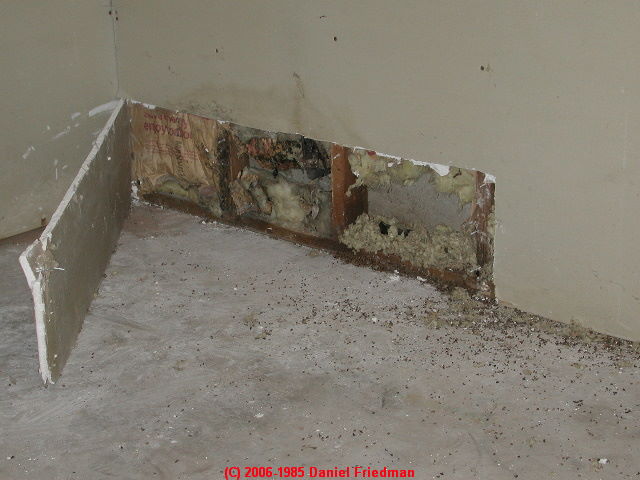
In Brevard County—especially on Merritt Island—mold is common enough that many homeowners try to handle it themselves. Sometimes that works. Often, it doesn’t. The real challenge isn’t knowing how to clean mold—it’s knowing when the problem is bigger than DIY and requires a professional.
Calling a mold professional at the right time can save thousands in repairs, protect indoor air quality, and prevent small moisture issues from turning into structural or health problems. Waiting too long is one of the most expensive mistakes property owners make in coastal Florida.
This guide explains exactly when it’s time to call a mold professional in Brevard County—and why early action matters.
🌴 Why Timing Matters More in Brevard County
Mold behaves differently in Florida than in drier climates.
Local conditions include:
- High humidity year-round
- Salt air that slows drying
- Frequent storms and wind-driven rain
- Long AC seasons creating condensation
- Slab foundations trapping moisture
Because moisture often lingers, mold problems here grow faster, spread farther, and hide deeper than many homeowners expect.
🚨 Clear Signs You Should Call a Mold Professional
👃 1. Persistent Musty Odors
If your home smells musty—even after cleaning—that’s one of the strongest indicators of hidden mold.
Call a professional if:
- Odors linger for weeks
- Smells return after cleaning
- Odors worsen on humid days
- Smells are strongest near walls, floors, or vents
Odors often mean mold is growing behind surfaces, not just on them.
🦠 2. Mold Keeps Coming Back
Recurring mold is never normal.
If you’ve cleaned mold and it:
- Reappears in the same spot
- Spreads to nearby areas
- Comes back within weeks
…the moisture source hasn’t been resolved. Professionals focus on cause, not cosmetics.
🧱 3. Mold on Drywall, Wood, or Insulation
Porous materials change everything.
Professional help is recommended if mold is on:
- Drywall or ceilings
- Baseboards or framing
- Cabinets or wood trim
- Insulation
- Flooring or subfloors
Surface cleaning can’t remove mold roots embedded in these materials.
🌬️ 4. Mold Near or Inside HVAC Systems
HVAC-related mold is a whole-home issue.
Call a professional if:
- Musty odors come from vents
- Mold appears near air handlers
- Condensation is constant around ducts
- Symptoms worsen when AC runs
HVAC systems can spread mold spores throughout the house.
🤧 5. Health Symptoms Worsen Indoors
Your body often notices mold before your eyes do.
Professional assessment is advised if:
- Allergies or asthma worsen at home
- Breathing feels tight indoors
- Multiple occupants feel unwell
- Symptoms improve when leaving the house
Health changes + moisture signs = don’t wait.
🌧️ 6. After Storms, Flooding, or Water Intrusion
Storm-related moisture needs fast evaluation.
Call a professional if:
- Ceilings or walls got wet
- Insulation may have been soaked
- Odors appear after rain
- Drying took longer than 48 hours
Hidden storm moisture is one of the most common causes of major mold remediation later.
🚰 7. After Plumbing or AC Leaks
Fixing the leak doesn’t fix the mold.
Professional help is needed if:
- Leaks were slow or hidden
- Cabinets or walls feel soft
- Odors remain after repairs
- Mold appears weeks later
Leaks inside walls often leave mold behind.
🏚️ 8. Multiple Rooms Are Affected
Widespread mold usually means a systemic moisture problem.
If mold or odors appear in:
- Several closets
- Multiple rooms
- Both upper and lower levels
…humidity, HVAC, or envelope issues are likely at play.
🧪 9. You’re Buying or Selling a Home
Real estate situations require documentation—not guesswork.
Call a professional if:
- Mold is flagged during inspection
- Musty odors raise concerns
- Buyers request mold testing
- You want pre-sale peace of mind
Unaddressed mold can delay or derail closings.
🧽 10. DIY Cleanup Isn’t Working (or Feels Overwhelming)
If you’re unsure, that’s a sign in itself.
Call a professional when:
- You’re unsure how far mold spreads
- You can’t identify the moisture source
- Cleanup feels unsafe or excessive
- You don’t want to risk health or liability
Guessing costs more than getting answers early.
❌ When You Might Not Need a Professional
DIY may be acceptable if all of the following are true:
- Mold is very small (limited area)
- It’s on non-porous surfaces (tile, glass, metal)
- No musty odors are present
- No leaks, humidity, or condensation issues exist
- Mold does not return
Even then, humidity control is essential.
📉 Why Waiting Too Long Gets Expensive
Delaying professional help often leads to:
- Mold spreading behind walls or floors
- Larger remediation areas
- HVAC contamination
- Failed inspections
- Insurance complications
- Reduced property value
Early evaluation is almost always cheaper than late remediation.
🛠️ What Mold Professionals Actually Do Differently
Professionals don’t just clean—they investigate and control moisture.
They typically:
- Identify hidden moisture sources
- Assess how long mold has been present
- Use containment to prevent spread
- Remove contaminated materials safely
- Improve drying and airflow
- Document findings for insurance or resale
That’s why professional intervention works when DIY doesn’t.
🌊 Why Merritt Island Homes Should Be Extra Cautious
Merritt Island properties face:
- Surrounding waterways (Indian River & Banana River)
- Constant coastal humidity
- Salt air moisture retention
- Long cooling seasons
- Slab construction
These factors make mold problems less forgiving if ignored.
✅ Final Takeaway for Merritt Island Property Owners
In Brevard County, the question isn’t if mold will try to grow—it’s how quickly you respond.
Call a mold professional when:
✔ Odors persist
✔ Mold returns
✔ Porous materials are involved
✔ HVAC systems are affected
✔ Health symptoms worsen
✔ Storms or leaks occurred
✔ Multiple areas show signs
When it comes to mold, early professional guidance protects your home, health, and investment.
If you’d like, I can also provide a “DIY vs professional” decision checklist, pre-sale mold readiness guide, or homeowner moisture risk assessment tailored specifically for Merritt Island and Brevard County homes.
