
Toxic Mold in Sykes Creek: What Merritt Island Property Owners Should Know
The phrase “toxic mold” tends to get attention quickly, especially for property owners in Sykes Creek. Homes in this part of Merritt Island sit close to waterways, experience persistent humidity, and rely heavily on air conditioning. These conditions allow mold to grow more easily than in many inland areas, and when dark or widespread mold appears, concern naturally follows.
Understanding toxic mold in Sykes Creek starts with separating facts from assumptions. Mold issues in this coastal environment are almost always driven by moisture behavior, not by a single dangerous event. Knowing how mold develops locally, what the term really means, and how problems are properly addressed helps property owners respond calmly and effectively.
What People Mean by “Toxic Mold”
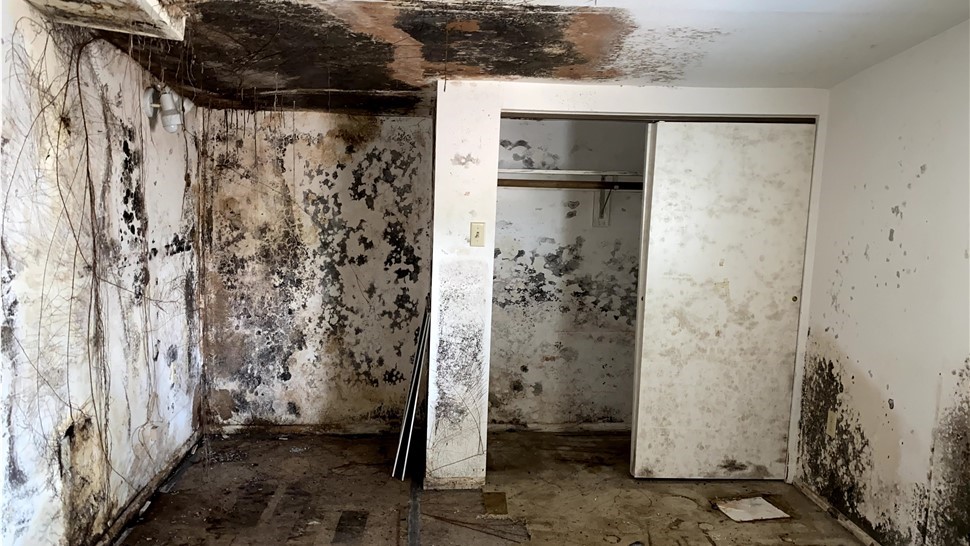
“Toxic mold” is not a scientific category used to diagnose buildings. It is a common term used when mold appears extensive, dark in color, or persistent. Many molds can look dark or black depending on the surface and growth stage.
What matters most is not the label, but whether mold is actively growing and what moisture conditions are allowing it to thrive. In Sykes Creek homes, mold that is left undisturbed in damp areas often becomes thicker and darker over time, which is why it is frequently described as toxic.
The presence of mold is always a sign of moisture imbalance first.
Why Mold Is Common in Sykes Creek Homes
Sykes Creek is surrounded by water and low-lying terrain. This keeps humidity elevated year-round and raises groundwater levels after rain. Homes rarely experience long dry periods, even during sunny weather.
Local contributors include slab foundations that transmit ground moisture, warm humid air entering the home daily, attic spaces that trap moisture, and HVAC systems producing constant condensation. Over time, these factors create conditions where mold can grow without any dramatic leak or flood.
In this environment, mold development is gradual and often hidden.
Mold Often Develops Without Obvious Water Damage
Many property owners associate mold with flooding or major plumbing failures. In Sykes Creek, mold frequently develops without any visible water intrusion.
Moisture may accumulate through condensation, humid air trapped behind walls, or vapor rising through concrete slabs. Because these moisture sources are subtle, mold can grow for months before it becomes visible or produces odors.
This is why mold problems in Sykes Creek often seem to appear “out of nowhere.”
Common Areas Where Mold Builds Up
Mold described as toxic is often found in areas where moisture stays trapped and airflow is limited. These locations are consistent across many homes in Sykes Creek.
Common areas include bathrooms with poor ventilation, HVAC closets, areas around air handlers and ductwork, closets on exterior walls, along baseboards near slabs, under sinks, and attic roof decking. These areas reflect how moisture behaves in coastal homes rather than isolated maintenance issues.
Finding mold in these locations usually indicates a long-term moisture condition.
Musty Odors and Early Warning Signs
Before mold becomes visible, it often announces itself through odor. A persistent musty or earthy smell is one of the earliest indicators of hidden mold.
Other signs may include discoloration on drywall, peeling paint, bubbling surfaces, warped baseboards, or recurring condensation around vents and windows. These signals point to ongoing moisture rather than a surface cleanliness issue.
Ignoring these early signs often allows mold to spread further.
Why DIY Cleanup Is Especially Risky
When mold is believed to be toxic, some homeowners rush to clean it themselves. This often makes the situation worse rather than better.
DIY cleanup typically fails because moisture sources are not corrected, hidden mold remains untouched, scrubbing spreads mold particles, water-based cleaners add moisture, and no containment prevents cross-contamination. In Sykes Creek’s humid climate, mold almost always returns after surface cleaning.
Addressing mold properly requires understanding where it is growing and why.
Hidden Mold Is Often the Bigger Issue
Visible mold is rarely the full extent of the problem. In many Sykes Creek homes, mold growth behind walls, under flooring, or inside HVAC systems is more extensive than what can be seen.
What appears as a small area of dark mold on a wall may be connected to larger moisture issues inside wall cavities or ceilings. This is why repeated cleaning often fails to solve the problem.
Effective solutions focus on the building as a system.
The Role of HVAC Systems
HVAC systems play a major role in mold behavior. Air conditioners run most of the year and generate continuous condensation. If drain lines clog, pans crack, or insulation fails, moisture escapes into surrounding materials.
Mold near air handlers, vents, and ductwork is common in Sykes Creek homes. Because HVAC systems circulate air throughout the home, mold in these areas can affect multiple rooms even if growth is not visible everywhere.
Addressing HVAC-related moisture is critical to long-term resolution.
Slab Foundations and Floor-Level Mold
Most homes in Sykes Creek are built on slab foundations. After heavy rain or during high water table conditions, moisture migrates upward through concrete as vapor.
This increases humidity at floor level and leads to mold along baseboards, under flooring, and inside closets. Mold in these areas is often persistent because the moisture source is ongoing rather than temporary.
Understanding slab moisture behavior is essential for preventing recurrence.
How Mold Is Properly Addressed
Proper mold remediation focuses on moisture first. The process typically involves identifying and correcting moisture sources, isolating affected areas with containment, removing mold-affected materials when necessary, cleaning non-porous surfaces appropriately, and drying and dehumidifying until moisture levels are stable.
Without moisture correction, mold removal is temporary regardless of how thorough the cleaning appears.
Why Containment Matters
Containment is critical when dealing with extensive mold. Disturbing mold without containment allows particles to spread through the home, especially through air movement and HVAC systems.
Professional containment keeps the issue localized and protects unaffected areas of the home during remediation.
Drying Is Not Optional
In coastal Florida, drying is one of the most important steps. Natural drying is rarely sufficient due to high ambient humidity.
Dehumidification and controlled air movement remove moisture from walls, floors, and ceilings. Drying continues until readings confirm that conditions no longer support mold growth.
Skipping this step almost guarantees the problem will return.
Long-Term Impact on the Home
If mold is left unaddressed, it can damage drywall, insulation, flooring, and framing over time. Moisture weakens materials and increases repair costs.
For property owners, unresolved mold can complicate renovations, sales, and rental agreements. Early, proper remediation protects both the structure and long-term value of the home.
Preventing Mold in Sykes Creek Homes
Prevention focuses on moisture management. Practical steps include monitoring indoor humidity, maintaining HVAC drain systems, improving ventilation in bathrooms and closets, keeping storage off floors, inspecting attics and slab edges, and checking the home after heavy rain or storms.
Consistency is key in a coastal environment.
Why Local Experience Matters
Mold behavior in Sykes Creek is shaped by coastal humidity, slab foundations, salt air exposure, and storm patterns. These conditions differ from inland homes.
Local experience helps identify moisture patterns quickly and apply solutions that actually work in this environment. Mold Removal Merritt Island approaches mold issues with an understanding of how homes behave near Sykes Creek rather than relying on generic assumptions.
A Practical Takeaway for Property Owners
So-called toxic mold in Sykes Creek is not a reason for panic, but it is a clear signal that moisture conditions are out of balance. The focus should always be on why mold is growing and how to stop it from returning.
Early evaluation, proper containment, thorough remediation, and complete moisture control provide lasting results. Shortcuts and surface cleaning almost always lead to repeat problems.
For Merritt Island property owners dealing with concerns about toxic mold, professional evaluation brings clarity and stability. Mold Removal Merritt Island helps homeowners address mold at its source by focusing on moisture behavior unique to Sykes Creek and the surrounding coastal environment.
