
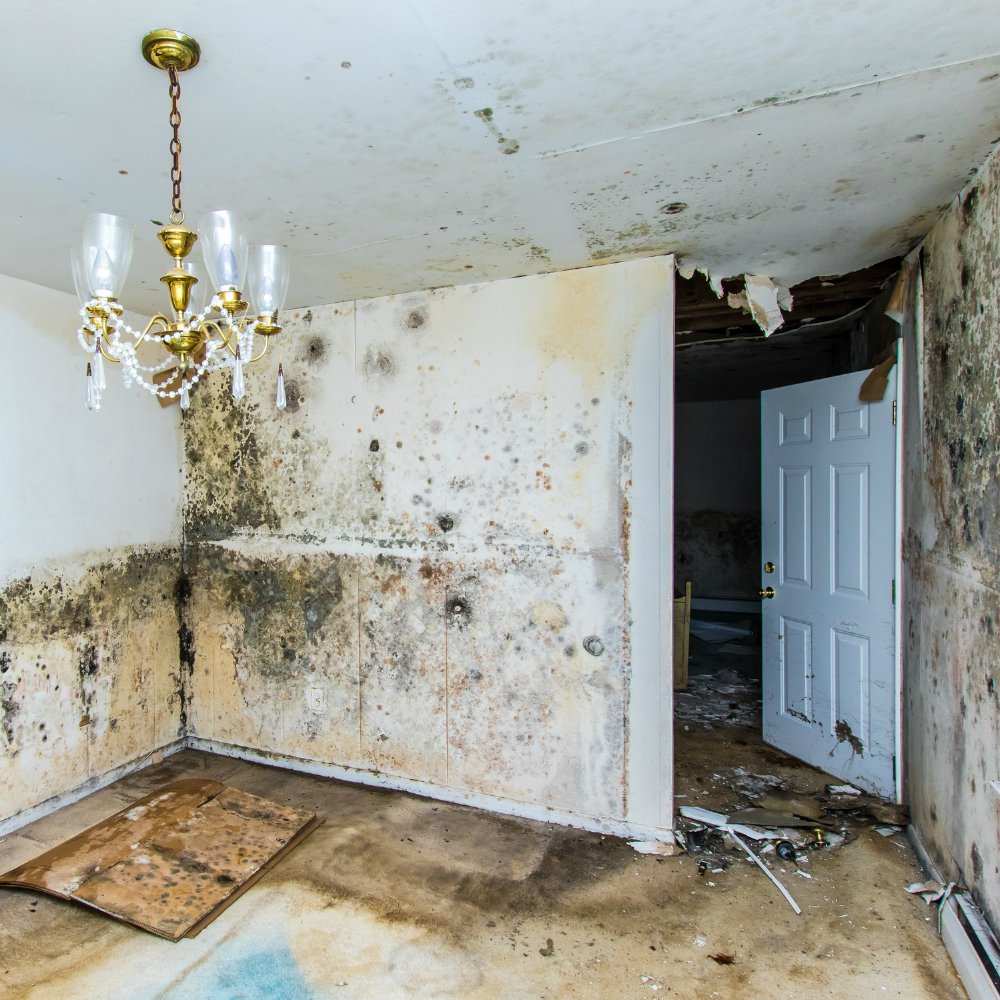
☣️ Toxic Mold in Brevard County: What Merritt Island Property Owners Should Know
This guide breaks it down clearly—no scare tactics, just practical information.
🌴 Why Brevard County Homes Face Higher Mold Risk
Brevard County, especially Merritt Island, has conditions that favor persistent mold growth:
- High year-round humidity
- Salt air that slows drying
- Long AC seasons with constant condensation
- Slab-on-grade foundations that release moisture upward
- Wind-driven rain around windows and roofs
- High water tables after storms
Mold doesn’t need flooding here—moisture + time are enough.
🦠 What “Toxic Mold” Really Means
“Toxic mold” isn’t a scientific category—it’s a common term people use for molds that can produce mycotoxins under certain conditions.
Important points to know:
- Color does not define toxicity
- Many molds can cause symptoms if conditions are right
- Mold impact varies by person, exposure level, and environment
- Any indoor mold growth signals a moisture problem that must be fixed
The solution is the same regardless of label: identify moisture, remove contaminated materials, and prevent recurrence.
⚠️ When Mold Becomes a Serious Concern
Mold—sometimes labeled “toxic”—needs prompt attention when:
- Growth keeps returning after cleaning
- Mold affects porous materials (drywall, insulation, carpet)
- Musty odors persist
- HVAC systems are involved
- Multiple rooms show signs
- Moisture lasted longer than 48 hours
- Occupants notice worsening indoor comfort or irritation
At this point, surface cleaning is not enough—remediation is required.
🧱 Common Places Toxic Mold Hides in Brevard County Homes
Hidden growth is far more common than visible patches. Inspectors frequently find issues in:
- HVAC air handlers, drain pans, and duct insulation
- Bathrooms and laundry rooms
- Under sinks and behind vanities
- Closets on exterior walls
- Behind drywall near windows and doors
- Under flooring in slab homes
- Attics with minor roof intrusion
- Garages and rooms above garages
If odors intensify when the AC runs, HVAC involvement is likely.
👃 Early Warning Signs Homeowners Miss
Mold rarely starts with obvious black patches. Watch for:
- Persistent musty or earthy odors
- Smells stronger after weekends or overnight
- Bubbling paint or warped baseboards
- Condensation that never fully dries
- Mold that fades during dry spells and returns with humidity
Odors are often the earliest reliable clue.
🌬️ The HVAC–Mold Connection
In Brevard County homes, HVAC systems are a major mold amplifier:
- Continuous condensation during cooling seasons
- Clogged drain lines that overflow intermittently
- Damp duct insulation in attics
- Spores circulating when systems run
If HVAC moisture isn’t corrected, mold can spread house-wide.
🧪 Does Mold Testing Help?
Mold testing can be useful when:
- Mold is suspected but not visible
- Odors persist without a clear source
- Documentation is needed for insurance or resale
- You need to confirm indoor vs. outdoor mold levels
Testing does not fix mold—it supports decisions about whether remediation is needed and where.
🧽 Why DIY “Toxic Mold” Cleanup Often Fails
DIY approaches usually fail because:
- Moisture sources remain active
- Mold roots stay embedded in porous materials
- Scrubbing spreads spores
- HVAC redistributes contamination
- Indoor humidity stays above safe levels
If mold keeps returning, the environment wasn’t fixed.
🛠️ What Proper Mold Remediation Includes
Effective remediation focuses on removal + prevention:
- Containment & air control (HEPA filtration, negative pressure)
- Removal of contaminated materials (drywall, insulation, flooring as needed)
- Detailed cleaning of remaining structures
- Moisture & humidity correction (HVAC, drainage, dehumidification)
- Post-remediation verification when appropriate
Without moisture control, remediation won’t last.
📄 Insurance, Real Estate & Documentation
Professional remediation helps:
- Support insurance claims tied to sudden water damage
- Provide records for buyers and inspectors
- Avoid last-minute deal issues
- Demonstrate responsible property management
Documentation protects your position.
📉 How Toxic Mold Impacts Property Value
Unresolved mold concerns can:
- Fail inspections
- Delay or derail sales
- Reduce offers
- Increase insurance scrutiny
Early, documented remediation lets owners control timing and cost.
🌊 Why Merritt Island Homes Need Extra Vigilance
Compared to inland areas, Merritt Island properties:
- Dry more slowly
- Experience higher humidity pressure
- Have longer mold growth seasons
What works inland often isn’t enough here.
🛑 When to Call a Professional Immediately
Seek professional help if:
- Mold returns after cleaning
- Musty odors persist
- HVAC systems are involved
- Multiple rooms are affected
- Moisture lasted over 48 hours
Waiting typically makes the problem bigger and more expensive.
✅ Final Takeaway for Merritt Island Property Owners
In Brevard County, “toxic mold” is best understood as a moisture management problem, not a mystery threat.
Remember:
✔ Mold grows because moisture persists
✔ Color doesn’t change the solution
✔ HVAC systems often spread contamination
✔ DIY fixes frequently fail
✔ Professional remediation protects health and value
With early detection, proper remediation, and consistent humidity control, mold issues in Merritt Island homes are manageable—and preventable.
If you’d like, I can share a toxic mold warning-sign checklist, HVAC moisture inspection guide, or a post-remediation prevention plan tailored specifically for Merritt Island and Brevard County properties.
