
Tenant Mold Rights in Merritt Island: What Merritt Island Property Owners Should Know
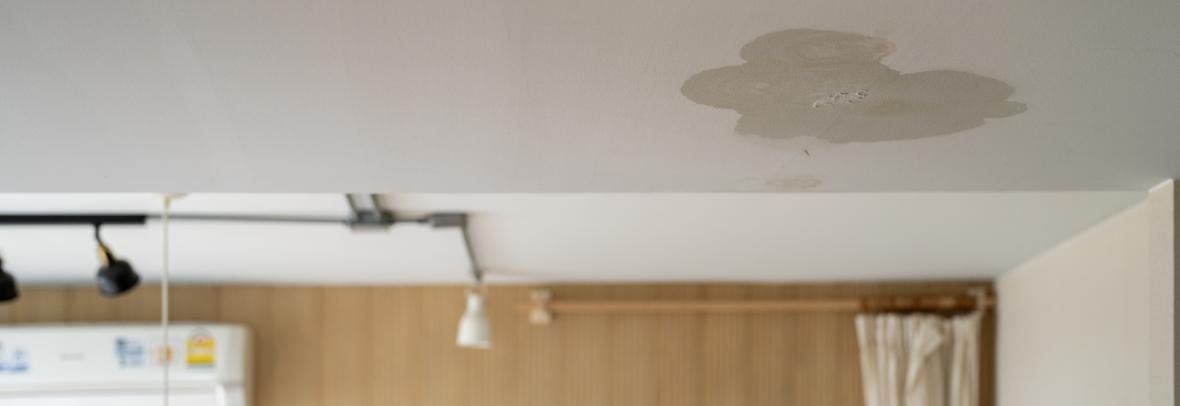
Mold concerns in rental properties can quickly become tense, especially in a place like Merritt Island where humidity, storms, and coastal conditions make moisture problems common. For property owners, understanding tenant mold rights isn’t about assigning blame or anticipating conflict—it’s about knowing what tenants reasonably expect, how mold issues typically arise, and how to respond in a way that protects both the property and the rental relationship.
In Merritt Island, mold complaints from tenants are rarely random. They usually point to underlying moisture conditions that need attention. When owners understand how tenant rights intersect with property maintenance in this coastal environment, mold situations become far more manageable and far less stressful.
What Tenant Mold Rights Really Mean in Merritt Island
Tenant mold rights generally center on habitable living conditions. In practical terms, tenants expect rental homes to be maintained in a way that limits ongoing moisture problems that could lead to mold growth.
This doesn’t mean landlords are automatically responsible for every mold spot that appears. It does mean that when mold is connected to:
- Plumbing issues
- HVAC or ventilation problems
- Water intrusion from storms
- Slab or structural moisture
owners are expected to address the underlying moisture source, not just the visible mold.
In Merritt Island, where environmental moisture is constant, mold concerns are evaluated based on how the property is maintained and how promptly issues are addressed.
Why Mold Complaints Are Common in Merritt Island Rentals
Tenants in Merritt Island experience mold concerns more frequently than in many inland areas, largely due to local conditions.
Persistent Coastal Humidity
Even with air conditioning, indoor humidity can remain elevated. Tenants may notice damp air, condensation, or musty odors before any visible mold appears.
High Water Tables
Many rental properties sit over high water tables. Ground moisture can migrate upward through slabs, affecting flooring and lower walls without obvious leaks.
Storms and Heavy Rain
Wind-driven rain and tropical systems can introduce moisture into roofs, walls, and attics. Mold may appear weeks after a storm, not immediately.
Rental Living Patterns
Tenants may:
- Keep windows closed for long periods
- Not run exhaust fans consistently
- Be unaware of early moisture signs
These factors don’t automatically cause mold, but they can accelerate growth when moisture is already present.
Common Mold Concerns Tenants Report
Property owners often hear similar complaints across Merritt Island rentals.
- Musty or earthy odors
- Visible mold near baseboards or vents
- Bubbling paint or soft drywall
- Condensation on windows or AC vents
- Rooms that feel damp or sticky
These concerns are often valid indicators of moisture issues, even if visible mold is limited.
Where Mold Issues in Rentals Are Often Overlooked
One reason mold disputes arise is that the real source of moisture is frequently hidden.
Behind Walls
Plumbing lines, exterior wall penetrations, or past leaks can allow moisture to stay inside wall cavities long after surface repairs are made.
Under Flooring
Laminate, vinyl plank, tile underlayment, and carpet padding can trap moisture from slabs or leaks, allowing mold to grow beneath finished floors.
HVAC Systems
Air handlers, drain pans, duct insulation, and vents are common mold sources in Merritt Island rentals due to constant condensation.
Attics
Warm, humid air rising from living spaces can condense on roof decking, especially in rentals with limited attic ventilation.
Closets and Enclosed Spaces
Closets often have poor airflow and can develop mold even when the rest of the unit looks fine.
Why Tenant Mold Complaints Shouldn’t Be Ignored
Ignoring mold concerns rarely makes them go away. In coastal environments like Merritt Island, moisture problems tend to worsen over time.
When mold complaints are dismissed:
- Moisture continues to damage building materials
- Mold may spread into hidden areas
- Repairs become more extensive later
- Tenant dissatisfaction increases
Addressing concerns early is usually less expensive and far less disruptive than dealing with advanced mold growth.
Why DIY Mold Cleanup Often Creates Conflict
Some property owners try to resolve tenant complaints quickly with surface cleaning or cosmetic fixes. While well-intentioned, these approaches often backfire.
Common issues with DIY cleanup include:
- Cleaning visible mold without fixing moisture
- Painting over damp drywall
- Using bleach on porous materials
- Missing mold behind walls or flooring
When mold returns, tenants may feel their concerns weren’t taken seriously, even if the owner acted in good faith.
Professional Mold Inspection & Testing Explained
A professional inspection helps clarify what’s actually happening and reduces uncertainty for both owners and tenants.
Visual Inspection
Inspectors examine high-risk areas such as baseboards, flooring transitions, HVAC components, bathrooms, kitchens, closets, and attic access points.
Moisture Detection
Professional tools identify:
- Damp drywall and insulation
- Moisture beneath flooring
- Condensation-prone areas
- Elevated humidity zones
This step is critical in rental properties, where mold is often hidden.
Mold Testing When Appropriate
Testing may be recommended when mold is suspected but not visible, documentation is needed, or post-remediation verification is required. Results are explained clearly and used to support inspection findings.
Proper Mold Removal & Remediation in Rental Properties
When mold is confirmed, proper remediation protects both the tenant and the property.
Containment
Affected areas are isolated to prevent mold spores from spreading throughout the unit or building.
Safe Removal of Contaminated Materials
Porous materials such as drywall, insulation, or flooring are removed when they cannot be safely dried.
Moisture Source Correction
This is the most important step and may involve:
- Plumbing repairs
- HVAC drainage or performance adjustments
- Improved ventilation
- Addressing slab moisture migration
- Sealing exterior intrusion points
Drying and Verification
Materials are dried thoroughly, and moisture levels are confirmed stable before repairs or re-occupancy.
Skipping moisture correction is the main reason mold returns—and the main cause of repeat tenant complaints.
How Property Owners Can Reduce Mold Disputes with Tenants
Clear maintenance practices go a long way in preventing conflict.
- Respond promptly to moisture-related complaints
- Document inspections and repairs
- Maintain HVAC systems and drain lines
- Run AC systems during vacancy periods
- Inspect properties after storms or heavy rain
- Address small leaks before they escalate
- Encourage proper ventilation use
Consistency builds trust and reduces misunderstandings.
Why Local Merritt Island Experience Matters
Tenant mold concerns in Merritt Island aren’t the same as in inland or northern markets. Coastal humidity, salt air exposure, slab foundations, and storm patterns all influence how moisture behaves in rental properties.
A local company like Mold Removal Merritt Island understands:
- Where mold typically develops in Merritt Island rentals
- How humidity and building design affect moisture
- How to evaluate tenant complaints efficiently and objectively
Local experience helps property owners get clear answers without unnecessary escalation.
A Calm, Practical Takeaway for Property Owners
Tenant mold rights in Merritt Island are best understood through the lens of reasonable property maintenance and moisture control. Most mold disputes aren’t about fault—they’re about communication, response, and addressing the real source of moisture.
When owners take mold concerns seriously, investigate properly, and correct moisture issues early, problems are usually resolved without ongoing conflict.
If you’re dealing with tenant mold complaints, recurring moisture issues, or uncertainty about what’s causing mold in a rental property, a professional evaluation can provide clarity and direction.
Mold Removal Merritt Island works with property owners, landlords, and managers throughout Merritt Island and surrounding Brevard County communities to assess mold concerns responsibly and help prevent repeat issues.
In a coastal rental environment, understanding moisture—and responding early—is one of the most effective ways to protect both your property and your tenant relationships.
