
Signs of Mold Growth in South Merritt Island: What Merritt Island Property Owners Should Know
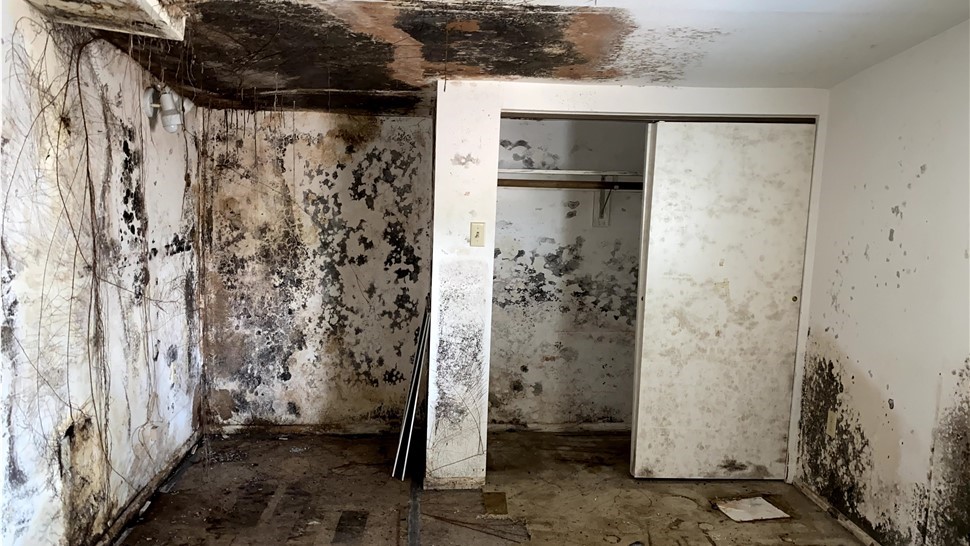
In South Merritt Island, mold problems don’t always announce themselves with obvious black spots on the wall. More often, mold grows quietly—fed by coastal humidity, salt air, storms, and slab construction—until the signs become hard to ignore. By the time visible growth appears, the issue may already be well established behind walls, under floors, or inside HVAC systems.
Knowing the early and subtle signs of mold growth is one of the best ways property owners can protect their homes. Catching mold early almost always limits damage, reduces disruption, and lowers long-term costs.
Why Mold Is So Common in South Merritt Island
South Merritt Island sits in a uniquely mold-friendly environment. Homes here are surrounded by waterways, exposed to salt air, and subject to year-round humidity. Even without flooding or major leaks, moisture can linger long enough to support mold growth.
Local risk factors include:
- Persistent coastal humidity
- Storm-driven rain and wind intrusion
- Slab-on-grade foundations
- Heavy air-conditioning use
- Salt air that holds moisture on surfaces
Because these conditions are constant, mold often develops slowly and out of sight.
Musty or Earthy Odors That Don’t Go Away
One of the earliest and most common signs of mold growth is a persistent musty smell.
You may notice it:
- When you first enter the home
- Inside closets or cabinets
- Near bathrooms or laundry areas
- Around HVAC vents
- After the AC has been running
In South Merritt Island homes, musty odors often indicate hidden mold inside walls, under flooring, or within ductwork—even if no mold is visible.
Visible Staining or Discoloration
Mold doesn’t always look like thick black patches. Early growth often appears as:
- Light gray, green, or brown staining
- Yellowish or water-stained drywall
- Speckling or spotting on walls or ceilings
- Darkened grout or caulk lines
These stains are especially common after storms or periods of high humidity and may signal moisture trapped behind the surface.
Bubbling, Peeling, or Cracking Paint
Paint and finishes often show mold-related moisture problems before mold itself is obvious.
Warning signs include:
- Bubbling or blistering paint
- Peeling paint or wallpaper
- Cracks forming along walls or ceilings
- Soft or spongy drywall
In coastal homes, these changes usually mean moisture is present behind the surface—creating ideal conditions for mold growth.
Warped Flooring or Baseboards
Changes in flooring are a major red flag in slab homes common to South Merritt Island.
Watch for:
- Buckling or lifting laminate or wood floors
- Tile grout cracking or darkening
- Baseboards pulling away from walls
- Soft or uneven flooring underfoot
These signs often point to moisture—and potentially mold—beneath the flooring where it can remain hidden for long periods.
Condensation Where It Shouldn’t Be
Excessive or persistent condensation is a strong indicator of humidity-driven mold risk.
Common areas include:
- Windows and sliding glass doors
- Air vents and registers
- Walls behind furniture
- Pipes under sinks
In South Merritt Island, condensation that doesn’t dry quickly often feeds mold growth in nearby materials.
Increased Indoor Humidity or Damp Feeling
Sometimes the sign isn’t visible—it’s how the home feels.
Property owners often describe:
- Air that feels heavy or damp
- Difficulty keeping humidity down
- AC running constantly but still feeling moist
- Towels or fabrics staying damp longer
These conditions make mold growth more likely, even without a specific leak.
Mold in Closets, Cabinets, and Enclosed Spaces
Mold often starts in areas with limited airflow.
Check:
- Closets along exterior walls
- Cabinets under sinks
- Laundry rooms
- Storage areas
- Guest rooms that stay closed
In South Merritt Island homes, these spaces trap humid air and are common starting points for mold.
Allergy-Like Symptoms Indoors
Without making medical claims, many property owners notice changes in how they feel inside the home.
Common observations include:
- Irritation that improves when leaving the house
- Increased sneezing or congestion indoors
- Headaches or fatigue in specific rooms
When these symptoms coincide with moisture or odor issues, mold is often part of the picture.
Signs After Storms or Heavy Rain
Storms are a major mold trigger in South Merritt Island.
After heavy rain or wind events, watch for:
- New stains on ceilings or walls
- Musty odors appearing days later
- Damp flooring or baseboards
- Changes in indoor humidity
Mold often begins growing days after a storm, not immediately.
Why Visible Mold Is Rarely the Whole Problem
In coastal homes, visible mold is often just the surface sign of a deeper moisture issue.
Mold commonly spreads:
- Behind drywall
- Under flooring
- Inside HVAC systems
- Along plumbing lines
- Through wall cavities
Cleaning what you can see doesn’t stop mold growth if moisture remains hidden.
Professional Mold Inspection Explained
When warning signs appear, a professional inspection helps clarify what’s really happening.
A proper inspection may include:
- Visual assessment of high-risk areas
- Moisture detection behind walls and floors
- Infrared imaging to locate hidden dampness
- Targeted sampling when appropriate
- Clear explanation of findings and options
The focus is identifying moisture first—because moisture drives mold.
Why Local South Merritt Island Experience Matters
Mold signs in South Merritt Island differ from inland areas. Local experience means understanding:
- Coastal humidity behavior
- Salt air moisture effects
- Slab-related moisture movement
- Storm-driven intrusion patterns
- Common construction styles near waterways
This knowledge leads to faster, more accurate identification of mold problems.
A Practical Next Step for Property Owners
If you’re noticing musty odors, moisture changes, surface staining, or any combination of these signs, it’s worth investigating early. Mold problems in South Merritt Island rarely improve on their own and often expand quietly over time.
A professional evaluation can identify whether mold is present, where moisture is coming from, and what steps make sense next—without pressure or alarm. For Merritt Island property owners, recognizing the signs early is one of the most effective ways to protect the home, indoor air quality, and long-term property value.
