

Signs of Mold Growth in Banana River: What Merritt Island Property Owners Should Know
Homes along the Banana River offer some of the most desirable views on Merritt Island, but they also sit in one of the most moisture-heavy environments in Brevard County. Constant humidity, river air, afternoon storms, and a high water table all combine to make mold a common concern for property owners in this area.
Mold problems near the Banana River rarely start with dramatic flooding or obvious leaks. More often, they begin quietly, with subtle signs that are easy to overlook. Knowing what to watch for helps homeowners, landlords, and property managers catch mold early—before it spreads behind walls or into HVAC systems.
Why Banana River Homes Are at Higher Risk
The Banana River creates a steady source of moisture in the surrounding air. Even on dry days, humidity levels remain elevated, and that moisture naturally moves indoors. When warm, humid air meets cooler interior surfaces, condensation forms, setting the stage for mold growth.
Other local factors increase risk:
- High water tables that allow moisture to move upward through slabs
- Salt air that degrades seals, caulking, and building materials
- Frequent rainstorms that cause short-term humidity spikes
- Heavy air conditioning use that creates condensation
These conditions mean mold can develop even in well-maintained homes if moisture isn’t carefully managed.
Musty or Earthy Odors That Don’t Go Away
One of the earliest and most common signs of mold growth near the Banana River is odor. A persistent musty, earthy, or damp smell often appears before any visible mold is present.
These odors are typically strongest:
- After rainstorms
- In closets or spare rooms
- Near HVAC vents or returns
- In homes that are closed up for long periods
If the smell returns after cleaning or airing out the home, it usually indicates mold growth somewhere out of sight.
Visible Spots or Discoloration
Visible mold doesn’t always look dramatic. In Banana River homes, it often appears as subtle discoloration rather than thick growth.
Common visual signs include:
- Small dark or greenish spots on drywall
- Fuzzy or dusty patches on baseboards
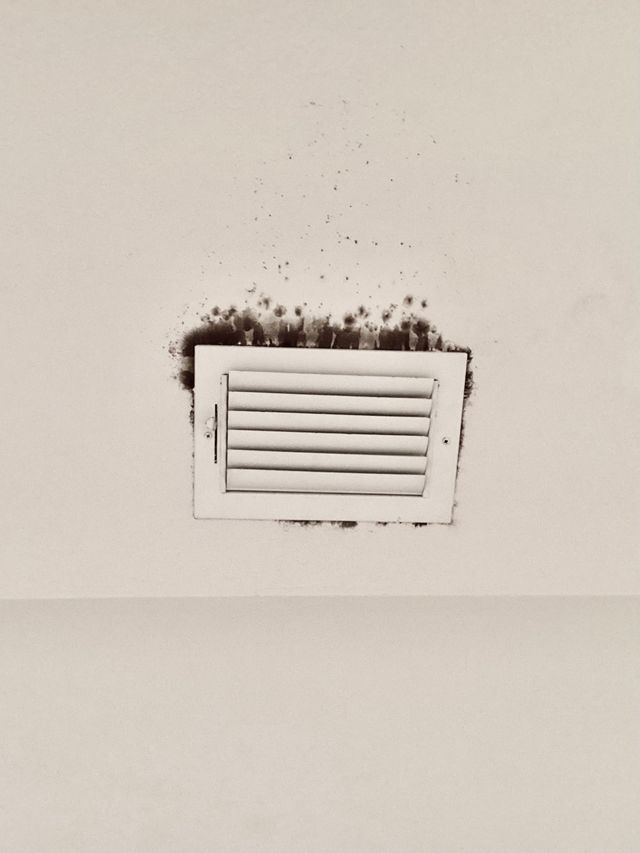
- Staining around air vents or ceiling corners
- Discoloration on bathroom ceilings
Even minor spotting can indicate a larger moisture issue behind the surface.
Condensation and Persistent Moisture
Excess moisture is the root cause of mold. Property owners near the Banana River often notice condensation before mold becomes visible.
Watch for:
- Water droplets on windows or sliding glass doors
- Damp air vents or sweating ductwork
- Walls that feel cool or slightly damp
- Moisture collecting in corners or along exterior walls
Ongoing condensation usually means indoor humidity levels are too high and mold conditions are developing.
Peeling Paint or Bubbling Drywall
When moisture gets trapped behind painted surfaces, it often shows up as cosmetic damage. In Banana River properties, this is a common early warning sign.
Signs include:
- Paint peeling or flaking
- Bubbling or blistering drywall
- Soft or crumbly wall sections
- Cracks forming near ceilings or windows
These issues often point to hidden moisture that can support mold growth behind the wall.
Changes in Indoor Air Quality
Many homeowners describe a noticeable change in how the air feels before they ever see mold. Indoor air may feel heavier, damp, or stale, even with the air conditioning running.
Indicators include:
- Rooms that never feel fully dry
- Lingering odors despite cleaning
- Increased dust near vents
- Air that feels sticky or uncomfortable
These changes often coincide with mold growth in HVAC systems, walls, or attics.
Mold in HVAC and Vent Areas
HVAC systems are a frequent mold source in Banana River homes due to condensation and constant use.
Common signs include:
- Dark staining around supply or return vents
- Musty smells when the AC turns on
- Visible growth inside air handler closets
- Excess moisture around drain pans
Because HVAC systems circulate air throughout the home, mold in these areas can affect multiple rooms.
Attic and Closet Warning Signs
Attics and closets are often overlooked but are prime locations for mold near the Banana River.
Red flags include:
- Musty smells when opening closet doors
- Dark staining on attic wood or insulation
- Damp insulation that never fully dries
- Mold forming on stored items
Poor airflow combined with humidity allows these spaces to stay damp for long periods.
Mold After Storms or Heavy Rain
Even when there is no visible storm damage, wind-driven rain and humidity spikes can trigger mold growth weeks later.
After storms, watch for:
- New stains on ceilings or walls
- Odors that weren’t present before
- Increased condensation indoors
- Damp areas near windows or doors
Mold often appears long after the storm has passed, making it harder to connect cause and effect.
Why Ignoring Early Signs Makes Things Worse
In Banana River homes, mold rarely resolves on its own. Ignoring early warning signs allows moisture to remain trapped, giving mold time to spread deeper into building materials.
Delaying action can lead to:
- Larger affected areas
- Damage to drywall, flooring, and insulation
- Mold spreading into HVAC systems
- More involved remediation later
Early identification almost always means simpler, less disruptive solutions.
When a Professional Inspection Makes Sense
Not every moisture issue means mold is present, but persistent signs should be evaluated. A professional mold inspection focuses on identifying moisture sources and determining whether mold is developing.
An inspection may include:
- Visual assessment of high-risk areas
- Moisture readings in walls and flooring
- Attic and HVAC evaluation
- Targeted testing when needed
Local providers like Mold Removal Merritt Island often see Banana River properties where early inspections prevent much larger problems later.
Why Local Banana River Experience Matters
Mold behavior near the Banana River is different from inland Florida. Professionals familiar with waterfront construction, slab foundations, and coastal airflow patterns know where moisture typically hides.
That local understanding leads to more accurate evaluations and practical recommendations tailored to Banana River homes—not generic advice that misses the real issue.
A Practical Next Step for Property Owners
If you notice musty odors, condensation, surface staining, or persistent humidity in a Banana River property, it’s worth taking those signs seriously. Mold is easiest to manage when caught early.
A calm, professional evaluation can confirm what’s happening, identify moisture sources, and help protect the home before damage becomes more extensive.
