
Seasonal Mold Problems in South Merritt Island: What Merritt Island Property Owners Should Know
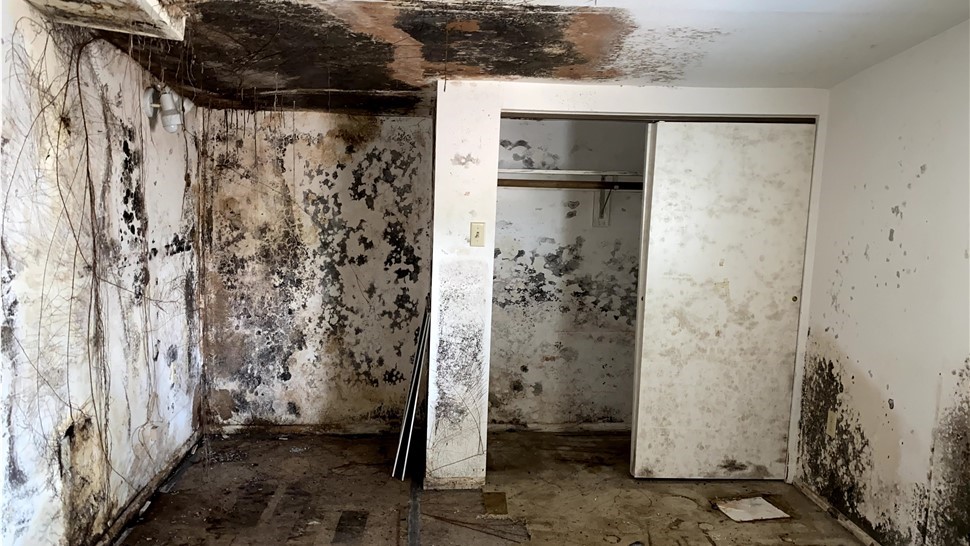
Why Mold Is Seasonal in South Merritt Island
South Merritt Island sits in a coastal, high-humidity zone where:
- Moisture levels change by season, not by day
- Drying windows are short
- Homes experience long periods of elevated indoor humidity
Mold responds to patterns, not single events. Once conditions repeat, mold follows.
Spring: The Quiet Setup Phase
Spring doesn’t always look like a mold season—but it often sets the stage.
What’s happening
- Rising temperatures
- Increasing outdoor humidity
- AC systems start running more
- Windows opened during mild weather
Why mold begins forming
Warm, humid air enters the home, then condenses on cooler surfaces once the AC runs again. Moisture builds inside walls and closets long before visible mold appears.
Common spring mold locations
- Closets on exterior walls
- Behind furniture
- AC closets and drain pans
- Bathrooms with limited ventilation
Spring mold is usually hidden—and missed.
Summer: Peak Mold Growth Season
This is when most South Merritt Island mold problems explode.
What’s happening
- Daily high humidity
- Frequent rain and storms
- AC running nonstop
- Limited drying time
Why mold thrives
Materials rarely dry below mold-supporting levels. Even small moisture issues become permanent food sources.
High-risk summer areas
- Lower drywall and baseboards
- Garages and shared walls
- Attics with poor ventilation
- HVAC systems and ductwork
If mold appears quickly in summer, it’s often feeding on moisture that started earlier.
Fall: The “Why Is It Back?” Season
Fall is notorious for repeat mold complaints.
What’s happening
- Slightly cooler nights
- Humidity still high
- Condensation increases
- AC cycles change
Why mold reappears
Condensation forms on walls, ceilings, and ducts at night. Mold that survived summer becomes visible again—even if it seemed “gone.”
This is when homeowners say:
“We cleaned it already. Why is it back?”
Because the moisture never stopped.
Winter: The Sneaky Mold Season
Winter doesn’t feel humid—but mold still happens.
What’s happening
- Fewer storms
- Cooler temperatures
- AC usage drops or stops
- Homes stay closed up
Why mold still grows
Humidity stays trapped indoors. Without consistent AC or dehumidification, moisture builds slowly—especially in closets and storage rooms.
Common winter mold spots
- Closets and storage areas
- Under sinks
- Behind beds on exterior walls
- Garages
Winter mold is slow, subtle, and often discovered late.
Why Seasonal Mold Keeps Returning to the Same Spots
Mold follows moisture pathways:
- Exterior walls
- Slab-adjacent drywall
- Areas with low airflow
- HVAC condensation zones
If mold shows up in the same location each season, that area never fully dries—no matter how often it’s cleaned.
Health Symptoms That Track the Seasons
Many residents notice symptoms line up with mold cycles:
- Spring allergies that don’t stop
- Summer respiratory irritation
- Fall sinus pressure
- Winter musty smells and headaches
If symptoms improve when you leave the house, seasonal mold is a strong suspect.
Why Seasonal Cleaning Doesn’t Work Long-Term
Seasonal mold problems aren’t surface problems.
Cleaning:
- Removes visible growth
- Does not change humidity
- Does not dry wall cavities
- Does not stop condensation
That’s why mold returns right on schedule.
What Actually Breaks the Seasonal Mold Cycle
Year-Round Humidity Control
- Maintain indoor humidity at 30–50%
- Never shut the AC off completely
- Use dehumidifiers in vulnerable areas
Improve Drying in Known Hotspots
- Increase airflow in closets
- Keep furniture off exterior walls
- Vent garages and storage areas
Address Moisture Entry Points
- Seal gaps around doors and windows
- Maintain roof flashing and drainage
- Control slab and ground moisture
Investigate Recurring Areas
If mold comes back every season, assume hidden growth behind the surface.
When Seasonal Mold Needs Professional Help
Professional evaluation is recommended if:
- Mold returns every year
- Musty odors persist seasonally
- Multiple rooms are affected
- HVAC systems may be involved
- Health symptoms coincide with seasons
Recurring mold is rarely just cosmetic.
Insurance and Property Considerations
Seasonal mold often gets labeled “maintenance-related” if ignored too long. Early documentation helps protect:
- Insurance claims after storms
- Property value during sales
- Disclosure obligations
Waiting until mold is widespread limits options.
Long-Term Reality for South Merritt Island Homes
Seasonal mold isn’t unusual here—but it is manageable.
Homes that stay mold-resistant:
- Treat humidity control as essential
- Act early each season
- Track problem areas year to year
- Fix moisture—not just mold
Once the pattern is broken, it usually stays broken.
Final Takeaways for South Merritt Island Property Owners
Seasonal mold problems follow predictable cycles—and predictable solutions.
Key points to remember:
- Mold responds to seasonal moisture patterns
- Summer fuels growth; fall reveals it
- Winter traps humidity indoors
- Cleaning alone doesn’t stop recurrence
- Consistent moisture control is the fix
If mold shows up around the same time every year, that’s your clue. The problem isn’t seasonal luck—it’s seasonal moisture. Address that, and the cycle finally ends.
If you want help identifying which season is driving your mold, where moisture is lingering, or how to break the cycle permanently, just let me know.
