
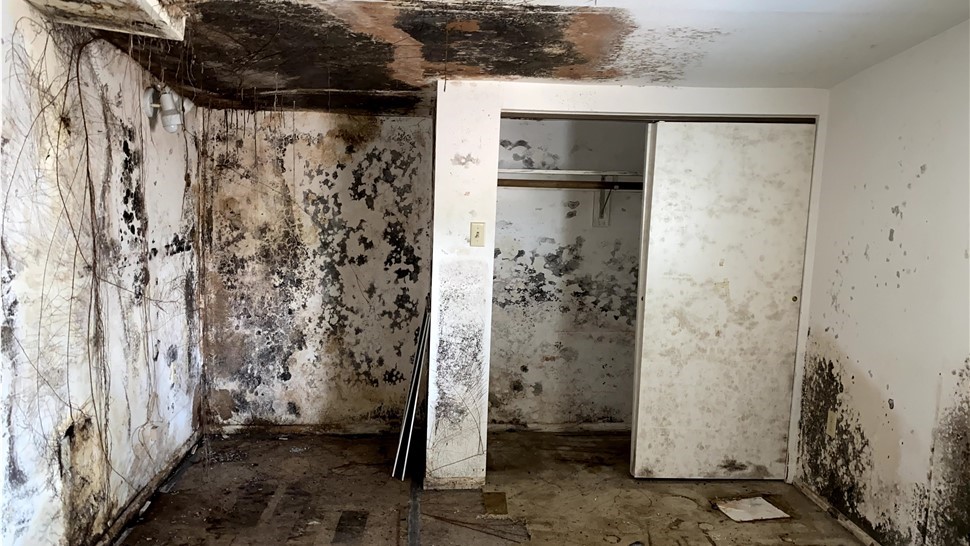
🍂🌦️ Seasonal Mold Problems in North Merritt Island: What Merritt Island Property Owners Should Know
In North Merritt Island, mold isn’t a one-season problem—it just changes behavior as the seasons shift. Many homeowners notice mold flaring up at certain times of the year and disappearing at others, only to return again. That pattern isn’t random. It’s driven by seasonal humidity, rainfall, temperature swings, and HVAC use unique to coastal Brevard County.
This guide explains how each season affects mold risk, where problems usually show up, and what Merritt Island property owners should do year-round to stay ahead of it.
🌴 Why Seasonal Mold Is Common in North Merritt Island
North Merritt Island sits in a moisture-heavy micro-climate:
- Water on multiple sides raises baseline humidity
- Salt air slows drying
- High water table affects slabs year-round
- Warm temperatures allow mold to grow in every season
- Seasonal HVAC changes create condensation
Mold doesn’t need one big leak—it thrives on seasonal moisture patterns.
🌸 Spring: Rising Humidity & Hidden Growth
Spring brings:
- Increasing outdoor humidity
- More frequent rain
- Temperature swings between day and night
Common issues:
- Condensation on walls and ducts
- Mold beginning behind drywall and in closets
- Musty odors appearing after rainy weeks
Spring mold is often invisible at first—but it sets the stage for summer problems.
☀️ Summer: Peak Mold Growth Season
Summer is the highest-risk season.
Why:
- Constant high humidity day and night
- Daily storms
- AC running nonstop
- Condensation on HVAC systems
Where mold shows up:
- Closets on exterior walls
- Bathrooms and laundry rooms
- Under flooring on slab homes
- HVAC air handlers and ducts
In summer, mold can begin growing within 24–48 hours after moisture appears.
🍁 Fall: Lingering Moisture & Recurring Mold
Fall brings:
- Warm temperatures
- Lingering humidity
- Reduced AC use on cooler days
This creates a dangerous window where:
- Moisture remains indoors
- Airflow drops
- Mold resurfaces in previously affected areas
Many homeowners think the problem is gone—until odors return.
❄️ Winter: Condensation Surprises
Winter in North Merritt Island isn’t cold—but it’s deceptive.
Winter risks include:
- Cooler nights + warm indoor air = condensation
- AC cycling less, reducing dehumidification
- Closed homes with limited airflow
Mold often appears in:
- Closets
- Behind furniture
- North-facing exterior walls
Winter mold is often blamed on “stale air,” but moisture is still the cause.
🧱 Seasonal Mold Hotspots to Watch Year-Round
Regardless of season, check these areas regularly:
- Closets on exterior walls
- Lower drywall and baseboards
- Under sinks and vanities
- Bathrooms and laundry rooms
- HVAC air handlers & drain pans
- Ductwork in attics
- Garages and rooms above garages
Seasonal mold usually rotates between these zones.
👃 Why Odors Come and Go With the Seasons
Musty odors often:
- Appear after rain
- Fade during dry spells
- Return during humid weeks
That cycle means:
👉 Mold never left—it just slowed down.
Odor changes are one of the most reliable indicators of seasonal mold activity.
🌬️ HVAC’s Seasonal Role in Mold Problems
HVAC systems change behavior with the seasons:
- Summer: High condensation risk
- Fall/Winter: Less run time = less dehumidification
- Spring: Temperature swings cause surface moisture
If HVAC moisture isn’t managed year-round, mold follows the calendar.
🧽 Why Seasonal Cleaning Doesn’t Solve Seasonal Mold
Wiping mold when it appears fails because:
- Moisture remains season after season
- Mold roots stay inside porous materials
- Spores survive dry periods
- Growth resumes when conditions improve
Seasonal mold requires season-proof moisture control.
🛠️ Year-Round Mold Prevention Strategy
What actually works in North Merritt Island:
✔ Maintain indoor humidity ≤55% (50% ideal)
✔ Run AC consistently—even in mild weather
✔ Use dehumidifiers during shoulder seasons
✔ Clean HVAC drain lines regularly
✔ Increase airflow in closets and low-use rooms
✔ Inspect after heavy rain—even in cooler months
✔ Address condensation, not just leaks
Consistency beats reaction.
🛑 When Seasonal Mold Needs Professional Attention
Call for professional evaluation if:
- Mold returns every season
- Odors persist year-round
- Multiple rooms are affected
- HVAC systems may be involved
- Moisture sources aren’t obvious
- Health symptoms worsen indoors
Seasonal recurrence usually means a systemic moisture issue.
📉 How Seasonal Mold Affects Property Value
Repeated seasonal mold can:
- Raise red flags during inspections
- Reduce buyer confidence
- Require remediation before sale
- Increase insurance scrutiny
Buyers notice patterns—even if sellers don’t.
🌊 Why North Merritt Island Homes Need Extra Vigilance
Compared to inland homes, North Merritt Island properties:
- Dry more slowly
- Experience higher year-round humidity
- Have longer mold growth windows
Seasonal mold prevention here must be proactive, not reactive.
✅ Final Takeaway for Merritt Island Property Owners
In North Merritt Island, mold follows the seasons—but it doesn’t have to control your home.
Remember:
✔ Mold can grow year-round in Florida
✔ Each season brings different risks
✔ Odors signal ongoing activity
✔ HVAC and humidity control are key
✔ Consistent prevention stops seasonal cycles
When you manage moisture all year, seasonal mold becomes predictable—and preventable.
If you’d like, I can provide a season-by-season mold prevention calendar, HVAC humidity tuning guide, or a room-specific seasonal risk checklist tailored specifically for North Merritt Island homes.
