
Seasonal Mold Problems in Brevard County: What Merritt Island Property Owners Should Know
Living in Merritt Island means enjoying warm weather, coastal breezes, and easy access to the Banana River and Indian River Lagoon. But Florida’s climate also brings seasonal changes that affect moisture levels inside homes. While mold can grow any time of year, certain seasons in Brevard County create conditions where mold problems become more common.
Understanding how mold risks change throughout the year helps property owners stay ahead of problems and protect their homes from unnecessary damage.
Why Mold Growth Changes With the Seasons
Mold needs three basic conditions to grow:
- Moisture
- Warm temperatures
- Organic materials such as drywall, wood, or dust
In Brevard County, warm temperatures are present most of the year, so seasonal changes in mold risk usually come down to humidity, rainfall, and ventilation patterns.
Homes near Sykes Creek, the Banana River, and the Indian River often experience higher baseline humidity than inland areas, making seasonal moisture changes even more important.
Summer: The Highest Risk Season
Summer is typically the most active time for mold growth in Merritt Island.
During summer months, several factors combine:
- High humidity levels
- Frequent thunderstorms
- Heavy rain and occasional tropical systems
- Continuous air-conditioning use
When warm, moist air enters attics, crawl spaces, or wall cavities, condensation can develop quickly. Even small roof leaks or clogged AC drain lines can create enough moisture for mold to begin forming within days.
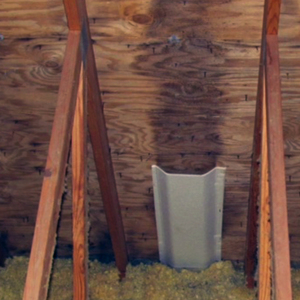
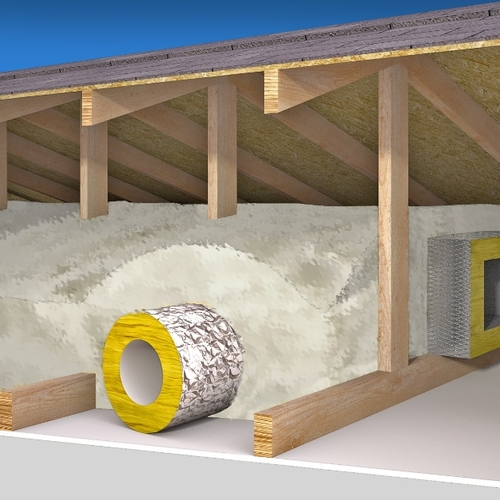

Because storms are common in summer, routine inspections after heavy rain are especially important.
Fall: Storm Season and Lingering Moisture
Early fall in Brevard County often includes tropical storms and hurricane season. Even when storms are minor, wind-driven rain and prolonged humidity can introduce moisture into homes.
Common fall-related mold risks include:
- Roof leaks from storm damage
- Water intrusion around windows or doors
- Damp insulation in attics
- Flood-prone areas retaining moisture
Mold may not appear immediately after a storm. Sometimes it develops weeks later as trapped moisture remains inside walls or ceilings.
Winter: Hidden Humidity and Ventilation Issues
Winter in Merritt Island is mild, but mold problems can still occur.
During cooler months:
- Homes may be closed up for longer periods
- Air-conditioning runs less frequently
- Indoor humidity may rise unnoticed
Closets, storage rooms, and guest bedrooms sometimes develop mold in winter because airflow is limited and humidity remains trapped.

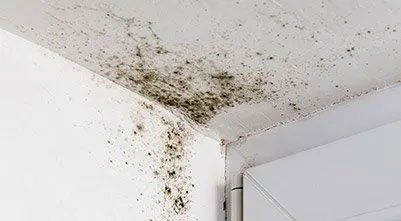
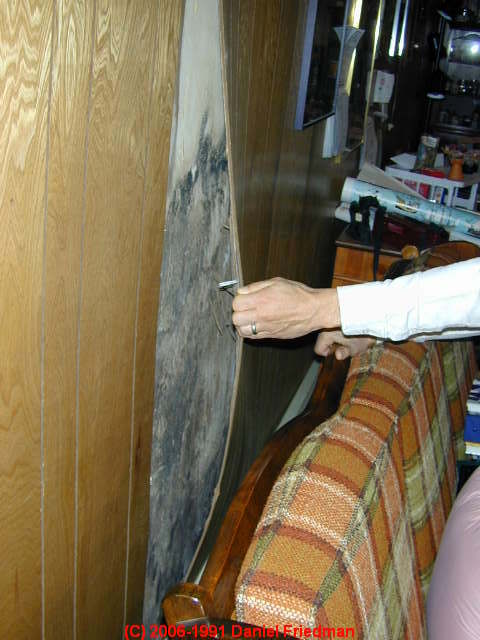
Because winter mold problems are often subtle, odors are sometimes the first sign.
Spring: Rising Humidity and Condensation
Spring in Brevard County brings rising temperatures and humidity, often before summer rains begin.
This seasonal change can cause:
- Condensation on ducts and vents
- Increased humidity in attics
- Mold growth in areas that remained damp during winter
Spring is a good time for preventive maintenance, including HVAC servicing and attic inspections, before summer humidity arrives.
Common Areas Affected Year-Round
Regardless of the season, certain parts of homes in Merritt Island are more vulnerable to mold.
These include:
- Attics
- HVAC systems and ductwork
- Bathrooms and kitchens
- Closets on exterior walls
- Under sinks and around appliances

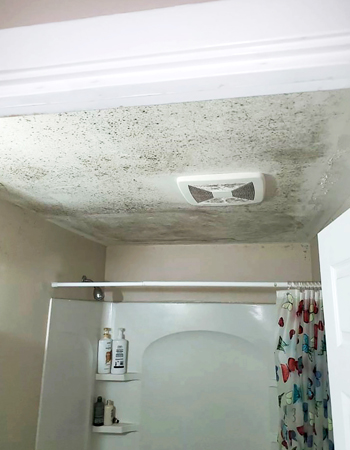

Routine inspections of these areas can prevent seasonal problems from becoming major repairs.
Why Seasonal Humidity Matters So Much
Humidity plays a major role in mold growth, especially in coastal areas.
Indoor humidity levels above about 60% create ideal conditions for mold. Unfortunately, Florida’s outdoor humidity often exceeds that level, meaning homes rely heavily on air-conditioning and ventilation to stay dry.
Factors that increase indoor humidity seasonally include:
- Turning off AC for extended periods
- Poor attic ventilation
- Clogged condensate drain lines
- Heavy rainfall and saturated soil
- Opening windows during humid weather
Monitoring humidity with a simple indoor hygrometer can help homeowners recognize problems early.
Why DIY Mold Cleanup Often Doesn’t Solve Seasonal Problems
When mold appears during humid months, homeowners sometimes clean visible areas without addressing the underlying moisture issue.
This approach often fails because:
- Moisture sources remain
- Mold inside porous materials is not removed
- Humidity levels stay high
- Hidden growth continues behind surfaces
Seasonal mold problems usually return if humidity or ventilation issues are not corrected.
How Professional Mold Inspection Helps
A professional inspection focuses on identifying moisture sources and seasonal conditions that allow mold to develop.
Typical steps include:
- Visual inspection of high-risk areas
- Moisture detection behind walls and under flooring
- Evaluation of ventilation and humidity conditions
Professionals familiar with local conditions, such as Mold Removal Merritt Island, understand how seasonal weather patterns affect homes throughout Brevard County and can identify problems quickly.
Preventing Seasonal Mold Problems
Preventive maintenance is the most effective way to reduce mold risks throughout the year.
Helpful steps include:
- Keeping indoor humidity between 45–55%
- Servicing HVAC systems regularly
- Inspecting roofs and attics after storms
- Using exhaust fans in kitchens and bathrooms
- Checking condensate drain lines
- Monitoring closets and storage areas
Seasonal inspections—especially before summer and after storm season—can prevent many mold problems.
Why Local Experience Matters in Brevard County
Mold behavior in coastal Florida differs from inland regions. Homes in Merritt Island often experience:
- Continuous AC operation
- Salt air exposure affecting building materials
- High humidity year-round
- Frequent storms and heavy rainfall
Professionals familiar with local construction styles, ventilation systems, and moisture patterns can diagnose seasonal mold problems more accurately and recommend solutions that last.
A Calm, Practical Next Step
Seasonal mold problems are a normal challenge in Brevard County, but they are manageable with routine maintenance and early attention to moisture. Most mold issues begin small, and addressing them early usually prevents larger repairs later.
If you notice musty odors, water stains, or persistent humidity at any time of year, having the property evaluated can help determine whether mold is present and what steps are needed.
For homeowners in Merritt Island and surrounding communities, staying proactive through each season is the most reliable way to keep homes dry, comfortable, and well maintained year-round.
