
Salt Air and Mold Growth in Sykes Creek: What Merritt Island Property Owners Should Know
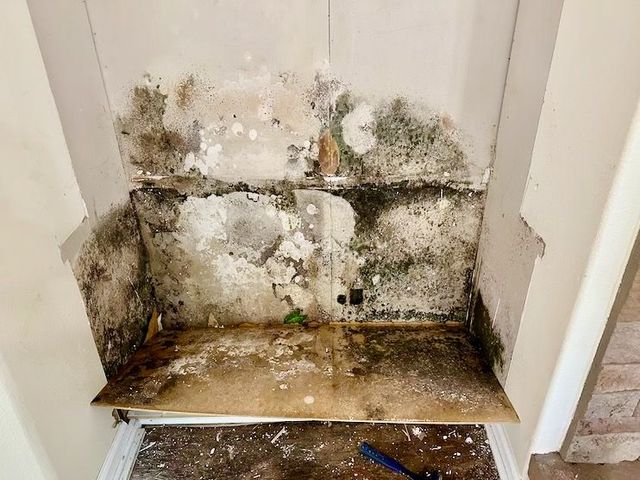
Homes along Sykes Creek enjoy calm water views and steady coastal breezes, but those same breezes carry something far less welcome: salt air. In South and North Merritt Island, salt air is a constant environmental factor—and it plays a major role in mold growth inside homes near the creek.
Salt air doesn’t just affect boats and outdoor metal. It accelerates moisture problems inside homes, weakens building materials, and quietly creates the conditions mold needs to thrive. For property owners in Sykes Creek, understanding how salt air contributes to mold growth is essential for protecting both the structure of the home and indoor conditions.
What Salt-Air-Related Mold Growth Really Is
Salt air itself doesn’t cause mold, but it significantly increases the factors that allow mold to grow. Salt particles attract and hold moisture. When that moisture settles on building materials, plumbing components, HVAC systems, and interior surfaces, it creates a persistent damp environment.
In Sykes Creek homes, salt-air-related mold commonly develops:
- Inside wall cavities
- Under flooring and baseboards
- Around windows and sliding doors
- Inside HVAC systems and ductwork
- In attics and roof structures
- Inside cabinets and closets
Because salt air exposure is ongoing, mold growth tends to be chronic rather than tied to a single event.
Why Sykes Creek Homes Are Especially Vulnerable
Sykes Creek’s location within Merritt Island creates a unique combination of mold-friendly conditions.
Constant salt air exposure
Homes near the creek are continuously exposed to salt-laden air that settles indoors through doors, windows, and ventilation systems.
Persistent coastal humidity
Humidity levels remain elevated year-round, allowing moisture to linger on surfaces and inside building materials.
Accelerated corrosion
Salt air speeds up corrosion of metal components, including plumbing fittings, fasteners, HVAC coils, and duct supports—often leading to leaks.
Condensation issues
Salt particles increase surface moisture retention, making condensation more likely on walls, ducts, and pipes.
Storm-driven moisture
Wind-driven rain during storms pushes saltwater moisture deeper into building assemblies.
Common Signs Property Owners Notice
Salt-air-related mold problems often develop gradually. Common warning signs include:
- Ongoing musty or damp odors
- Rust or corrosion appearing indoors
- Peeling paint or bubbling drywall
- Persistent condensation on windows and vents
- Warped wood or soft baseboards
- Increased indoor humidity despite AC use
In Sykes Creek homes, these signs often worsen during summer months or after storms.
Hidden Mold Sources Linked to Salt Air
Many salt-air-related mold problems occur in areas homeowners rarely inspect.
Inside walls facing the water
Salt air and moisture penetrate exterior walls exposed to prevailing breezes.
Under flooring near exterior walls
Moisture can accumulate beneath floors where airflow is limited.
HVAC systems
Salt air accelerates corrosion on coils and duct components, leading to condensation and moisture buildup.
Attics and roof structures
Salt air combined with heat creates condensation issues that promote mold growth on roof decking.
Cabinets and enclosed spaces
Salt-laden humidity becomes trapped in dark, enclosed areas.
Why DIY Mold Solutions Don’t Address Salt Air Problems
Salt-air-related mold issues are ongoing environmental problems, not one-time messes.
Surface cleaning isn’t enough
Mold may return quickly if salt-driven moisture remains.
Dehumidifiers alone fall short
They reduce air moisture but don’t stop salt air intrusion or condensation.
Paint and sealants fail without prep
Covering affected areas without addressing moisture leads to hidden mold growth.
Corrosion continues
DIY solutions rarely address salt-related corrosion that causes recurring leaks.
Without addressing the underlying salt-air exposure, mold problems tend to repeat.
Professional Mold Inspection and Testing Explained
Professional inspections focus on how salt air affects moisture behavior inside the home.
Visual assessment
Inspectors look for corrosion, condensation patterns, and moisture staining.
Moisture detection tools
Meters and infrared imaging help locate damp areas inside walls, floors, and ceilings.
Targeted sampling when appropriate
Air or surface samples may confirm mold presence and extent.
Clear explanations
Findings are explained clearly so property owners understand how salt air contributes to the problem.
This approach ensures the true cause—not just the symptoms—is identified.
Proper Mold Removal and Remediation in Salt-Air Environments
Effective remediation in Sykes Creek homes requires a coastal-specific approach.
Containment
Affected areas are isolated to prevent spore spread.
Selective removal
Only damaged materials are removed to limit disruption.
Thorough cleaning
Surfaces are cleaned using methods suited for salt-affected materials.
Moisture and corrosion correction
Leaks, condensation issues, and corroded components are addressed.
Prevention planning
Recommendations focus on reducing salt-air moisture impact long term.
Mold Removal Merritt Island applies this approach based on hands-on experience with Sykes Creek properties.
How to Reduce Mold Risk from Salt Air in Sykes Creek Homes
Salt air can’t be eliminated, but its impact can be managed.
- Monitor indoor humidity consistently
- Maintain HVAC systems and coils regularly
- Seal windows, doors, and exterior penetrations
- Address corrosion early
- Improve attic and interior ventilation
- Inspect after storms
- Schedule periodic moisture evaluations
Proactive maintenance is especially important in creekside homes.
Why Local Sykes Creek Experience Matters
Salt-air mold issues are highly location-specific. Local experience means understanding:
- Prevailing wind and moisture patterns
- Salt-air corrosion behavior
- Creekside construction styles
- HVAC strain in coastal homes
- Seasonal storm impacts
This local knowledge leads to faster diagnosis and more effective solutions.
A Practical Next Step for Sykes Creek Property Owners
If you’re noticing musty odors, corrosion, or persistent moisture in your Sykes Creek home, it’s worth having the situation evaluated. Salt-air-related mold problems rarely resolve on their own and often become recurring issues if not addressed properly.
A professional inspection can identify how salt air is affecting your home, explain the scope of the issue, and outline practical next steps—without pressure or alarm. Early action helps protect your home’s structure, indoor environment, and long-term value in Merritt Island’s coastal setting.
