
Salt Air and Mold Growth in Indian River: What Merritt Island Property Owners Should Know
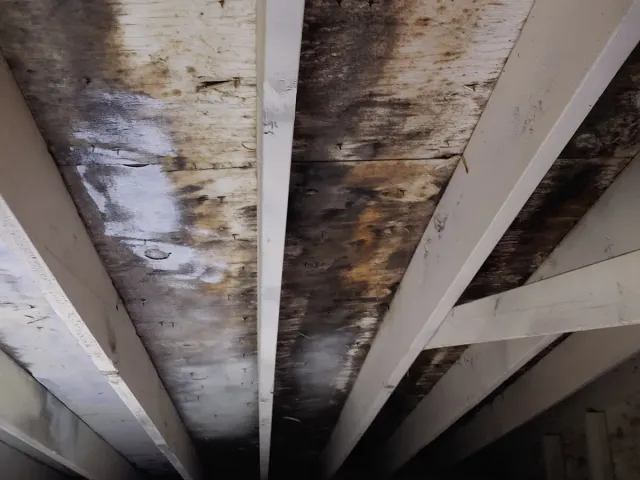
Living near the Indian River is a dream for many Merritt Island property owners—but salt air brings a hidden mold risk that inland homes don’t face. Salt-laden air doesn’t just rust metal; it holds moisture against building materials, breaks down seals, and creates conditions where mold can grow faster, spread wider, and return more often if not properly managed.
In Indian River areas, mold problems linked to salt air are often chronic rather than one-time events. Understanding how salt air contributes to mold growth, where it causes the most damage, and what steps actually work to prevent it can save homeowners from repeated remediation and long-term property damage.
🌊 Why Salt Air Near the Indian River Fuels Mold Growth
Salt air behaves differently from ordinary humidity. Salt particles attract and retain moisture from the air, keeping surfaces damp long after they should have dried.
Key ways salt air increases mold risk include:
- Salt attracts moisture, even in “dry” conditions
- Surfaces stay damp longer, slowing evaporation
- Corrosion weakens metal fasteners, HVAC parts, and seals
- Tiny gaps form, allowing moisture intrusion behind walls
- Paints, caulk, and sealants degrade faster
This creates constant low-level moisture—perfect for mold growth in hidden areas.
🦠 How Quickly Mold Can Grow in Salt-Air Environments
In Indian River homes, mold growth often surprises property owners because it happens without obvious leaks.
- Salt particles settle on walls, ducts, and framing
- Moisture clings to those particles
- Porous materials absorb dampness
- Mold can begin growing within 24–48 hours
- Growth continues even without visible water damage
Because exposure is ongoing, mold linked to salt air often keeps coming back if the environment isn’t controlled.
🧰 Common Mold Hotspots in Indian River Homes
Salt air doesn’t affect just one part of the house—it creates moisture problems throughout the structure.
🌬️ HVAC Systems & Air Ducts
- Corrosion inside air handlers
- Condensation on coils and drain pans
- Duct insulation holding moisture
🧱 Exterior & Wind-Facing Walls
- Salt-driven moisture intrusion
- Failed window and door seals
- Mold forming behind drywall
🪵 Flooring & Baseboards
- Slab moisture intensified by salt air
- Mold under tile, vinyl, or laminate
🚿 Bathrooms & Kitchens
- Humidity combined with salt air
- Ventilation struggling to keep up
🕳️ Attics & Crawl Spaces
- Salt-laden humidity entering vents
- Condensation on framing and insulation
If mold appears in multiple areas at once, salt air is often the underlying factor.
⚠️ Health Risks of Salt-Air-Related Mold
Mold tied to salt air often leads to ongoing exposure, not short-term problems.
Common symptoms include:
- Chronic coughing or sneezing
- Sinus congestion and headaches
- Eye, skin, and throat irritation
- Worsening asthma or allergy symptoms
- Fatigue and breathing discomfort
Because salt air keeps moisture levels elevated, symptoms may persist until humidity and airflow are fully addressed.
🔍 Signs Mold Is Being Driven by Salt Air
Salt-air mold issues often show patterns that differ from typical leaks.
Visual & Physical Clues
- Mold returning after repeated cleaning
- Rust and corrosion appearing near mold
- Bubbling or peeling paint on exterior walls
- Warped baseboards without obvious leaks
Smell
- Musty odors mixed with salty or metallic notes
- Odors stronger on humid or windy days
Other Red Flags
- Indoor humidity staying high despite AC use
- Mold appearing in several rooms at once
- Corrosion on HVAC or plumbing components
If mold keeps returning and no leak is found, salt air is usually the cause.
🧪 Salt Air Moisture vs. Traditional Water Damage
Salt air creates a constant moisture load, unlike one-time water events.
| Salt Air Moisture | Traditional Water Damage |
|---|---|
| Ongoing exposure | One-time incident |
| Slow drying | Dries when repaired |
| Degrades materials over time | Sudden visible damage |
| Causes recurring mold | Mold tied to a single source |
That’s why surface cleaning alone rarely solves the problem in Indian River homes.
🧽 Why DIY Mold Cleaning Fails Near the Indian River
Many Merritt Island homeowners clean mold successfully—only to see it return.
DIY approaches fail because:
- Salt air keeps reintroducing moisture
- Bleach doesn’t stop moisture retention
- Hidden mold remains behind walls or floors
- HVAC systems redistribute spores
- Corrosion keeps opening new entry points
Without controlling humidity and salt-air exposure, mold removal is temporary.
🛑 When Professional Mold Help Is Needed
Professional assessment is strongly recommended if:
- Mold keeps coming back
- Musty odors never fully disappear
- HVAC components show corrosion and mold
- Mold appears in multiple areas
- Health symptoms worsen indoors
- Your home is close to the Indian River shoreline
Professionals focus on mold removal plus environmental moisture control, which is essential in salt-air zones.
🌴 Why Indian River Homes Are Especially Vulnerable
Homes near the Indian River face constant environmental pressure:
- Coastal humidity day and night
- Salt particles in the air year-round
- Wind-driven moisture intrusion
- Accelerated corrosion of materials
- Limited drying potential
Even newer homes can develop salt-air mold issues without aggressive moisture management.
🛠️ Long-Term Mold Prevention in Salt-Air Homes
Preventing mold near the Indian River requires a proactive, ongoing strategy.
Effective prevention steps include:
- Keep indoor humidity below 55%
- Use whole-home or targeted dehumidifiers
- Maintain HVAC drainage and airflow
- Seal exterior penetrations regularly
- Inspect corrosion-prone components
- Improve ventilation in bathrooms and kitchens
- Schedule regular moisture inspections
In salt-air environments, prevention must be continuous, not occasional.
📉 How Salt-Air Mold Affects Property Value
Salt-air mold can significantly impact resale and inspections.
Potential consequences include:
- Failed home inspections
- Required remediation before closing
- Buyer concern about chronic moisture
- Increased maintenance costs
- Reduced long-term property value
Because salt-air mold is often recurring, it’s treated as a serious environmental issue by buyers and inspectors.
✅ Final Takeaway for Merritt Island Property Owners
Salt air near the Indian River creates constant mold pressure on homes.
If you live near the water:
✔ Treat humidity as a daily threat
✔ Watch for corrosion and moisture together
✔ Take recurring mold seriously
✔ Avoid surface-only cleaning
✔ Address moisture long-term—not temporarily
Understanding salt air’s role in mold growth is key to protecting your home, your health, and your investment.
