
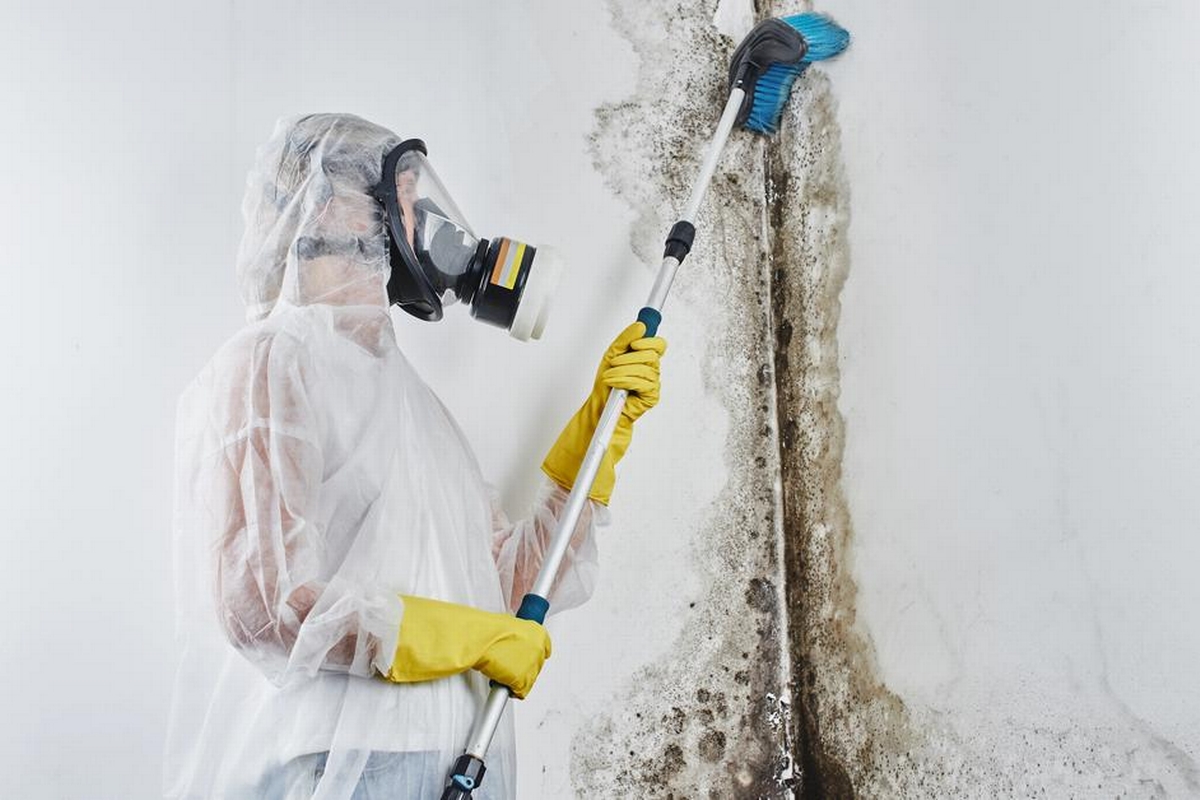
Post-Remediation Mold Testing in Sykes Creek: What Merritt Island Property Owners Should Know
After mold remediation is completed, many homeowners in Sykes Creek assume the problem is fully resolved and move on. In some cases, that’s true. But in coastal areas like Sykes Creek — where humidity, waterways, and AC condensation are constant factors — post-remediation mold testing plays an important role in confirming that the work was successful and that mold conditions have truly stabilized.
Post-remediation testing isn’t about finding fault or creating worry. It’s about verification and peace of mind. For Merritt Island property owners, especially those near waterways, this step helps ensure that mold has been properly addressed and that the home is safe to reoccupy without lingering moisture or air quality concerns.
What Post-Remediation Mold Testing Really Is
Post-remediation mold testing is performed after mold removal and drying are complete. Its purpose is to confirm that:
- Mold growth has been successfully removed
- Mold spore levels are within normal ranges
- Moisture conditions have been corrected
- No new mold growth is occurring
This testing is not meant to diagnose the original problem — that should already have been done during inspection and remediation. Instead, it verifies that remediation achieved its goal.
Why Post-Remediation Testing Matters in Sykes Creek
Homes in Sykes Creek face environmental conditions that make verification especially important.
Waterway proximity
Moisture from Sykes Creek and surrounding wetlands increases baseline humidity, making it easier for mold to reappear if conditions aren’t fully corrected.
High humidity
Even after remediation, elevated humidity can quickly reactivate mold if drying was incomplete.
Slab construction
Many homes sit on concrete slabs that retain moisture beneath flooring and inside lower walls.
HVAC condensation
Air handlers and ductwork often remain moisture-prone areas even after cleanup.
Because mold spores are naturally present in the environment, post-remediation testing helps confirm that indoor conditions are no longer supporting growth.
When Post-Remediation Mold Testing Is Recommended
Not every remediation requires testing, but it’s often recommended in situations such as:
- Mold was widespread or involved multiple rooms
- Mold affected HVAC systems or ductwork
- Mold growth was hidden behind walls or under flooring
- The home has a history of recurring mold
- Occupants are sensitive to indoor air quality
- Documentation is needed for property records
In Sykes Creek homes, testing is frequently used to ensure moisture-driven mold problems have truly been resolved.
What Happens Before Testing Takes Place
Proper timing matters. Testing should only occur after:
- All contaminated materials have been removed
- The affected area has been thoroughly cleaned
- Moisture sources have been corrected
- Materials are completely dry
- Containment has been removed
Testing too early can produce misleading results. A professional ensures conditions are appropriate before samples are collected.
Types of Post-Remediation Mold Testing Used
Post-remediation testing is chosen based on how mold was present originally.
Air Sampling
Air testing measures mold spore levels indoors and compares them to outdoor air.
It’s commonly used when:
- Mold affected indoor air quality
- Multiple rooms were involved
- HVAC systems were impacted
Results help confirm that indoor spore levels have returned to normal for the Sykes Creek environment.
Surface Sampling
Surface samples are taken from previously affected areas to confirm that mold has been removed.
These samples are useful when:
- Mold growth was visible on materials
- Verification is needed before rebuilding
- Documentation is required
Surface testing helps confirm that cleaned areas are free of active mold growth.
How Samples Are Collected Properly
Accurate testing depends on correct collection.
Professional collection includes:
- Outdoor control samples for comparison
- Sampling representative indoor areas
- Avoiding disturbed air during testing
- Preventing cross-contamination
- Proper labeling and documentation
In coastal Sykes Creek homes, outdoor comparison samples are especially important because outdoor mold levels are naturally higher.
Understanding Post-Remediation Test Results
Test results should always be interpreted alongside the remediation scope and inspection findings.
Results typically show one of three outcomes:
- Mold levels within normal range — remediation successful
- Slight elevation — further drying or cleaning recommended
- Elevated levels — additional remediation needed
Finding some mold spores is normal. The goal is ensuring indoor levels are not elevated above what’s expected for the local environment.
Common Reasons Post-Remediation Testing Fails
When testing indicates ongoing issues, it’s usually due to one of these reasons:
- Hidden moisture wasn’t fully corrected
- Drying was incomplete
- Mold remained in adjacent areas
- HVAC systems retained contamination
- Testing was performed too early
In Sykes Creek homes, moisture left beneath flooring or inside walls is a frequent cause of failed verification.
How Professionals Use Testing to Improve Outcomes
Post-remediation testing isn’t just a pass/fail step. It helps professionals:
- Confirm moisture control effectiveness
- Identify remaining problem areas
- Prevent premature rebuilding
- Reduce the chance of recurrence
- Provide documentation of successful remediation
Mold Removal Merritt Island uses post-remediation verification as part of a comprehensive approach, especially in moisture-prone Sykes Creek properties.
What Homeowners Should Do After Successful Testing
Once testing confirms normal conditions, homeowners can focus on prevention.
- Maintain indoor humidity control
- Keep HVAC systems serviced
- Monitor previously affected areas
- Inspect after storms or plumbing work
- Address leaks immediately
These steps help ensure mold doesn’t return.
Why Local Sykes Creek Experience Matters
Post-remediation testing must account for local conditions. Experience matters because professionals understand:
- Normal outdoor mold levels near waterways
- Seasonal humidity fluctuations
- Slab and waterfront construction behavior
- AC condensation patterns
Without local context, test results can be misinterpreted. Mold Removal Merritt Island applies this knowledge to provide accurate, calm explanations and reliable verification.
A Practical, Reassuring Final Step
For Sykes Creek property owners, post-remediation mold testing provides confidence that remediation was done right. It confirms that moisture has been controlled, mold growth has been removed, and the home is ready to move forward without lingering concerns.
In a coastal environment where moisture is always present, verification matters. Post-remediation testing turns uncertainty into clarity — and helps protect your home long after remediation is complete.
