
Post-Remediation Mold Testing in Brevard County: What Merritt Island Property Owners Should Know
After mold remediation is completed, many Merritt Island property owners feel relieved—but also uncertain. A common question comes up: How do you know the mold problem is truly gone?
This is where post-remediation mold testing becomes important. It provides confirmation that the affected areas have been properly cleaned, dried, and returned to normal conditions. In coastal environments like Merritt Island, where humidity and moisture are ongoing challenges, verification helps ensure the problem doesn’t quietly return.
For homes near the Banana River, Indian River, Sykes Creek, and surrounding Brevard County communities, understanding post-remediation testing helps property owners make informed decisions and protect their homes long term.
What Post-Remediation Mold Testing Is
Post-remediation mold testing is a process used to evaluate conditions after mold removal work has been completed. The goal is not simply to detect mold—because mold spores are naturally present everywhere—but to confirm that:
- Mold levels inside the home have returned to normal ranges
- The affected area has been properly cleaned
- No hidden moisture remains
- The remediation process was effective
In other words, testing helps verify that the indoor environment is similar to normal outdoor conditions and no longer contains elevated contamination.
Why Testing Matters in Merritt Island Homes
Homes in Merritt Island face environmental conditions that make verification especially important.
Factors include:
Persistent coastal humidity
Moisture in the air can allow mold to regrow quickly if even small damp areas remain.
Waterfront exposure
Properties near the Indian River or Sykes Creek often experience higher baseline moisture levels.
Frequent storms and heavy rains
Roof leaks or minor water intrusion can occur without being immediately noticeable.
Air-conditioning condensation
AC systems remove humidity but can also create localized moisture if drains clog or ducts leak.
Because of these conditions, confirming that materials are dry and mold levels are normal provides peace of mind and helps prevent recurring problems.
When Post-Remediation Testing Is Recommended
Testing is not required in every situation, but it is often recommended when:
- Mold growth affected multiple rooms or large areas
- Contaminated materials were removed
- Indoor air quality concerns were present
- The property is being sold or rented
- The owner wants documented verification
Property managers and landlords in Brevard County often request testing as part of responsible maintenance and documentation practices.
What the Testing Process Typically Involves
Post-remediation testing is designed to be straightforward and minimally disruptive.
Visual Evaluation
The first step is confirming that remediation work appears complete. This includes checking:
- Surfaces for dust or debris
- Containment removal
- Signs of remaining moisture
Inspectors often review attics, air handlers, and previously affected areas to confirm drying has been successful.
Moisture Measurements
Moisture meters help confirm that materials such as drywall, wood, or flooring have returned to normal levels. This step is critical in coastal environments where humidity can slow drying.
Air or Surface Sampling
Air samples may be collected to compare indoor conditions to outdoor air. Surface samples may also be used if needed to verify that cleaned areas are free of active growth.
Laboratory analysis helps provide objective data rather than relying only on visual inspection.
What Happens After Testing
Once testing is complete, results are reviewed and explained in clear terms.
A successful outcome generally means:
- Indoor spore levels are within normal ranges
- No significant mold reservoirs remain
- Moisture levels are acceptable
If elevated readings are found, additional cleaning or drying may be recommended before retesting.
Common Areas Checked After Remediation
Post-remediation inspections often focus on areas where mold commonly develops in Merritt Island homes.
These include:
- Attics with previous condensation issues
- HVAC systems and air handlers
- Walls affected by leaks
- Flooring in kitchens or bathrooms
- Closets and storage areas on exterior walls
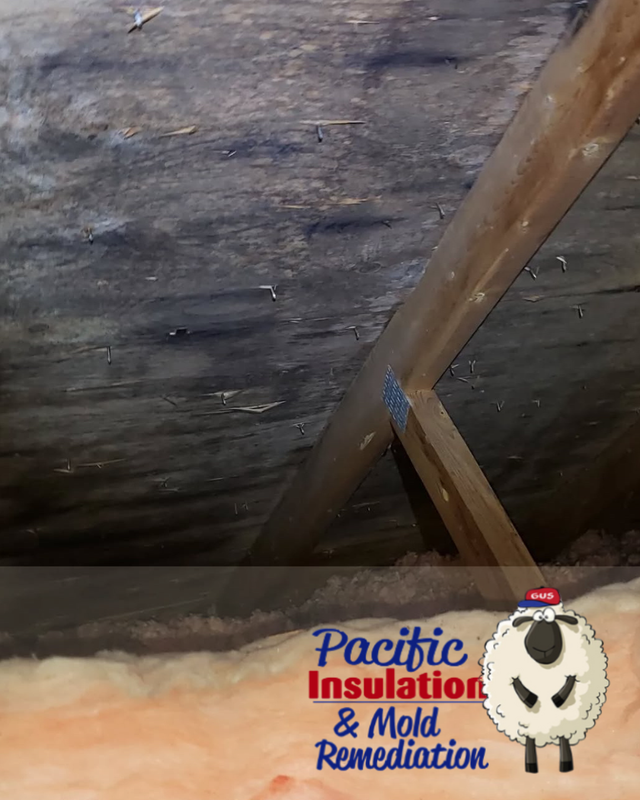
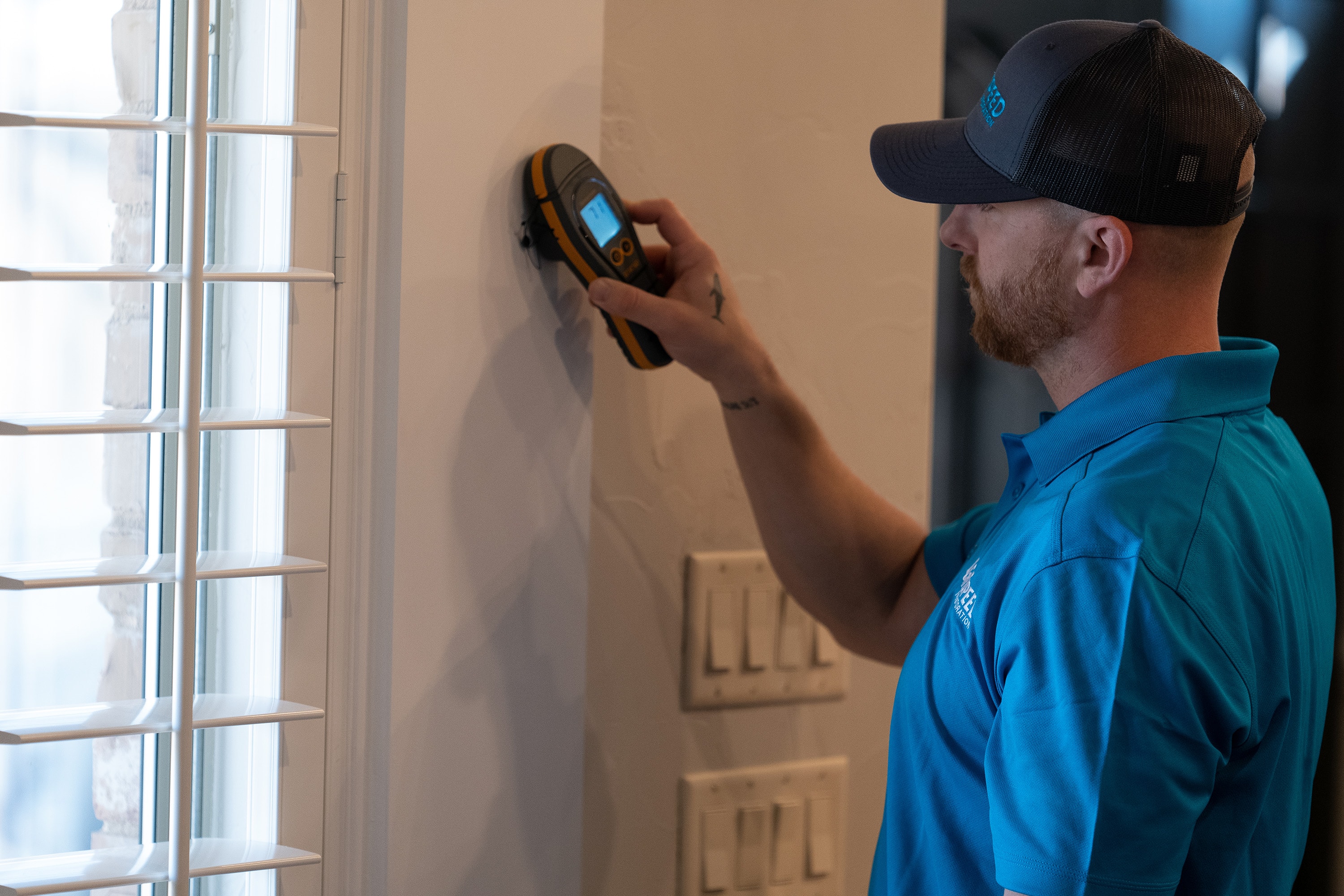
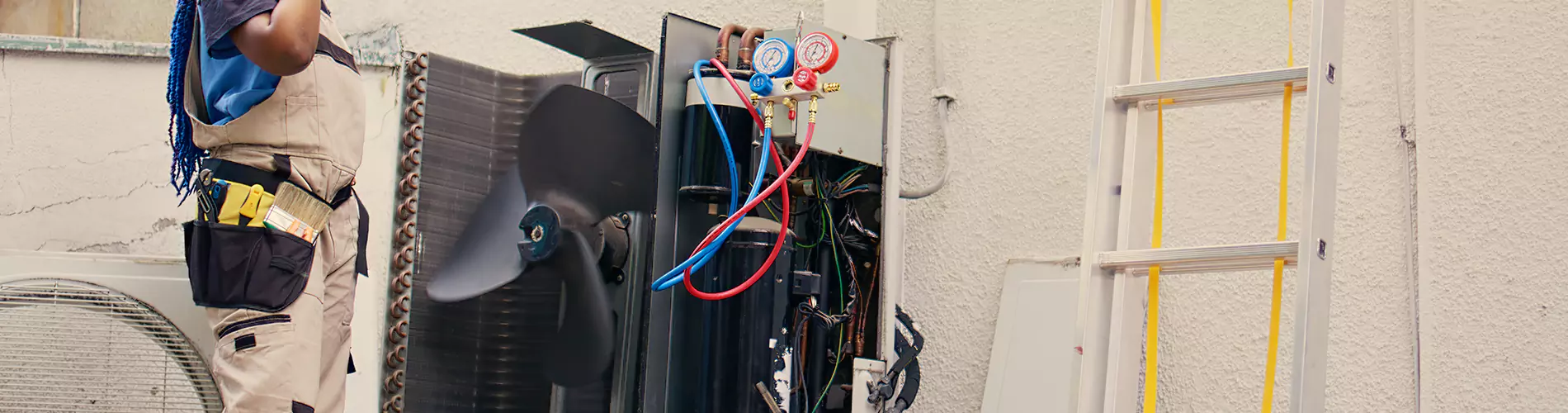
These areas are checked carefully because hidden moisture can allow mold to return even after remediation appears complete.
Why DIY Verification Is Difficult
Some homeowners wonder whether they can confirm remediation success on their own. While visual inspection is helpful, it rarely tells the full story.
Challenges include:
- Mold spores are microscopic and cannot be seen
- Moisture may remain inside walls or insulation
- Odors may take time to fade even after remediation
- Air quality conditions cannot be measured without equipment
Professional testing provides objective information rather than guesswork.
How Proper Remediation Helps Testing Pass
A thorough remediation process makes successful testing much more likely.
Key steps that support good outcomes include:
- Effective containment during removal
- Removal of contaminated materials when necessary
- HEPA filtration and cleaning
- Addressing leaks or humidity issues
- Thorough drying and monitoring
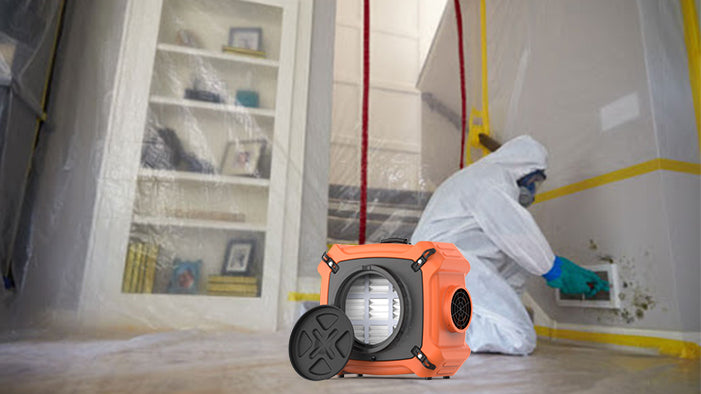
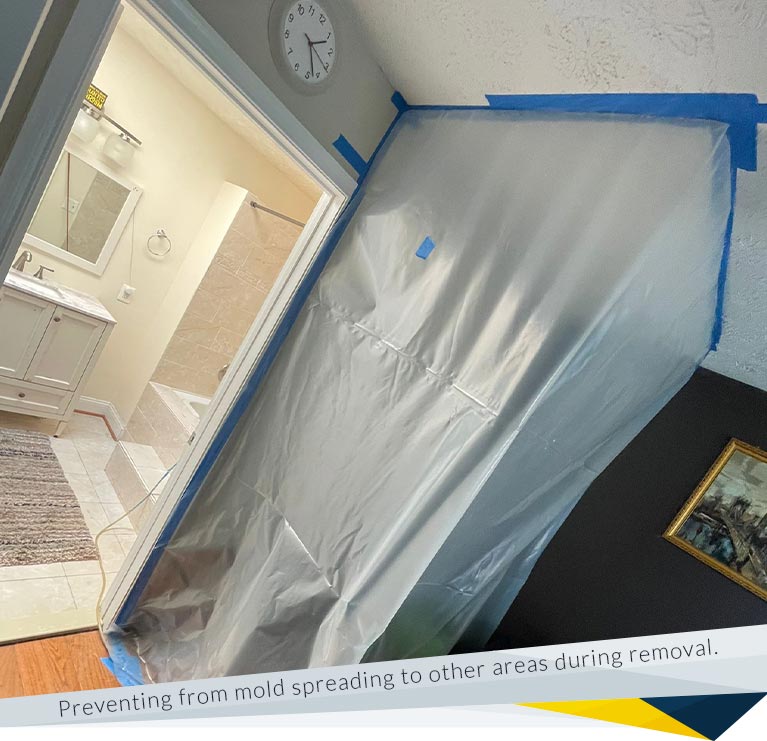

When moisture sources are fully corrected, mold is far less likely to return.
How to Prevent Mold Returning After Remediation
Once remediation and testing are complete, maintaining a dry environment becomes the most important step.
Property owners near the Banana River, Indian River, and Sykes Creek can reduce future risk by:
- Keeping indoor humidity between 45–55%
- Servicing HVAC systems regularly
- Checking condensate drain lines
- Inspecting roofs after storms
- Using exhaust fans in bathrooms and kitchens
- Monitoring closets and storage areas


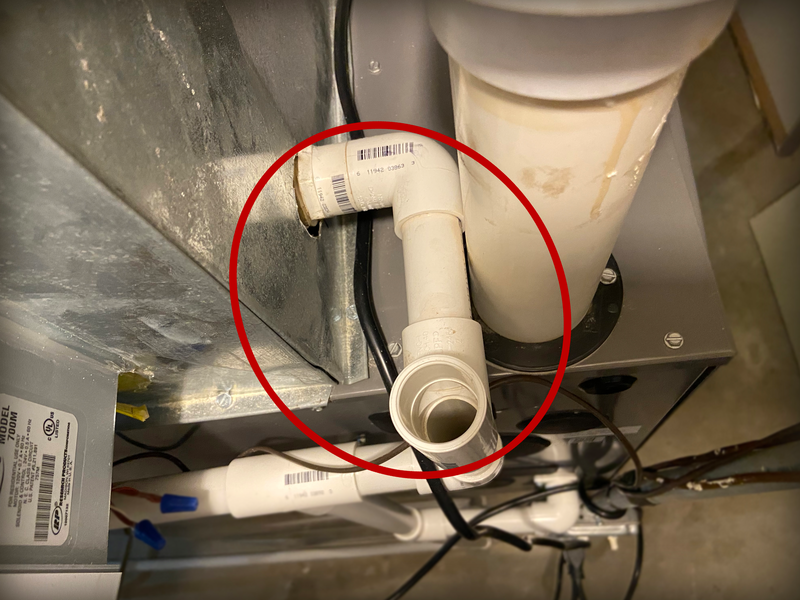
Routine maintenance and seasonal inspections are especially helpful in Florida’s humid climate.
Why Local Experience Matters in Post-Remediation Testing
Post-remediation conditions in Merritt Island differ from inland areas. Inspectors familiar with Brevard County homes understand:
- Coastal humidity patterns
- Common attic ventilation problems
- Slab foundations and moisture behavior
- AC condensation issues
- Storm-related water intrusion
Local knowledge helps ensure testing is interpreted correctly, since normal outdoor mold levels in Florida can differ from other regions.
Companies such as Mold Removal Merritt Island often work closely with inspectors to ensure remediation meets appropriate standards for local environmental conditions.
A Calm, Practical Next Step
Post-remediation mold testing isn’t about creating worry—it’s about confirming that a problem has been properly resolved. For many Merritt Island property owners, testing provides reassurance that indoor air quality is normal and that repairs were effective.
If mold remediation has recently been completed or is being planned, discussing verification options with a qualified professional can help you decide whether testing is appropriate for your situation.
In coastal Brevard County, where humidity and moisture are part of daily life, taking this final step can help protect your home and prevent future mold problems before they begin.
