
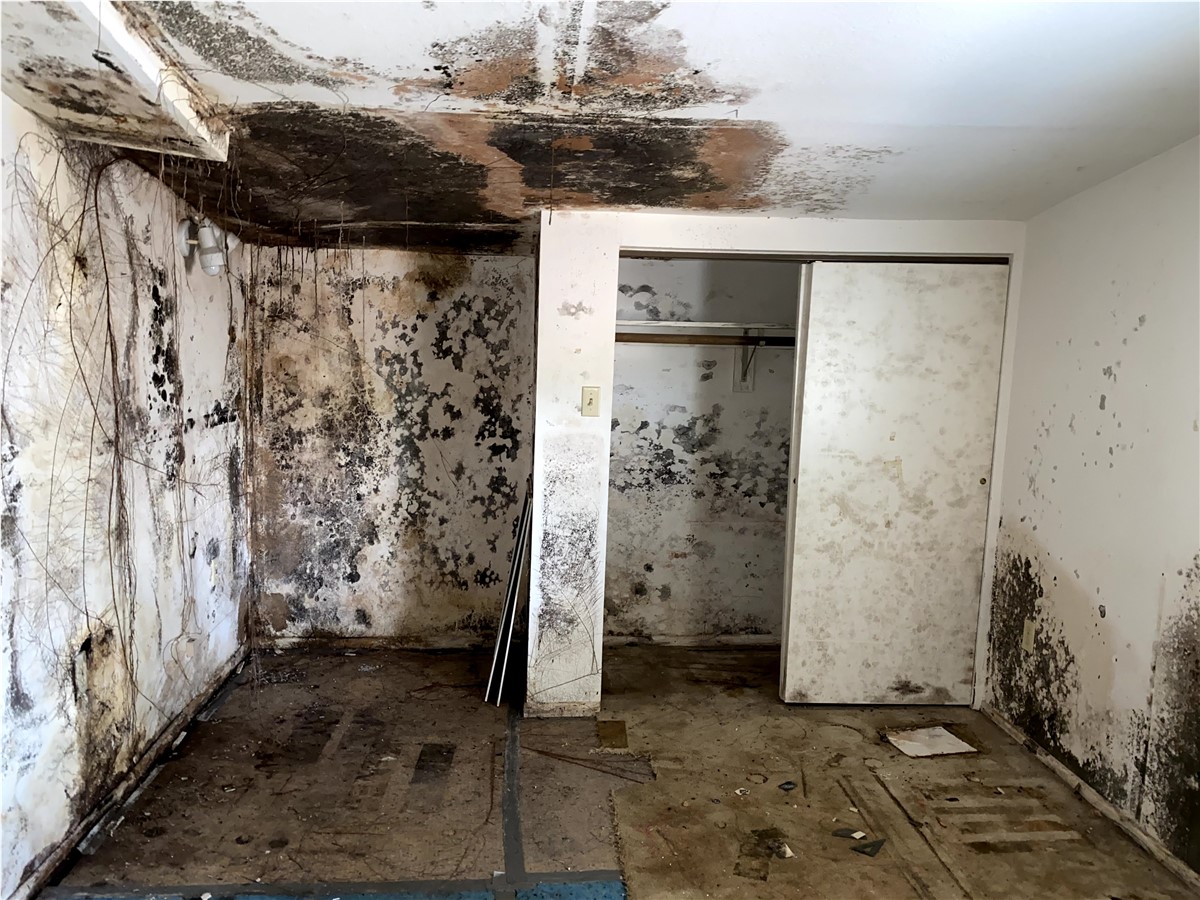
Post-Remediation Mold Testing in Banana River: What Merritt Island Property Owners Should Know
After mold remediation is completed, many Banana River property owners assume the problem is fully resolved. But in coastal environments like Merritt Island, the most important step often comes after the cleanup: post-remediation mold testing, also known as clearance testing.
This testing helps confirm that remediation was effective, indoor air quality is safe, and moisture conditions no longer support mold growth.
🧠 What Is Post-Remediation Mold Testing?
Post-remediation mold testing is performed after mold removal work is finished to verify that:
- Mold levels are back to normal
- Air quality is acceptable
- No active mold growth remains
- Remediation did not spread contamination
It’s not about finding fault—it’s about confirming success.
🌊 Why Post-Remediation Testing Matters in Banana River Homes
Banana River properties face unique challenges that make verification especially important.
Coastal Conditions Increase Risk of Recurrence
- Constant high humidity
- Waterfront condensation
- Salt air affecting materials
- HVAC systems running year-round
Even well-done remediation can fail if moisture control wasn’t fully corrected. Post-remediation testing helps catch that early.
📈 What Post-Remediation Testing Actually Confirms
✅ Air Quality Has Improved
Testing measures airborne mold spores to ensure:
- Indoor levels are similar to or lower than outdoor levels
- No abnormal mold species dominate indoor air
- The home is safe to reoccupy
✅ Mold Was Properly Contained
If remediation disturbed mold incorrectly, spores may spread. Testing helps confirm:
- Containment was effective
- Clean areas remain clean
✅ Remediation Was Thorough
Post-testing verifies that:
- Hidden growth was addressed
- No active sources remain
- Materials removed were sufficient
🔍 What Happens During Post-Remediation Mold Testing
🌬️ Step 1: Air Sampling
- Samples are taken in previously affected areas
- Additional samples may be taken in adjacent rooms
- A control outdoor sample is always collected for comparison
This indoor–outdoor comparison is critical for accurate interpretation.
🧫 Step 2: (Optional) Surface Sampling
Used when:
- Surfaces were heavily contaminated
- Verification of cleaned areas is required
- Documentation is needed for insurance or sale
Surface samples confirm that cleaned materials are no longer supporting growth.
📝 Step 3: Laboratory Analysis
Samples are sent to an accredited lab to identify:
- Mold types present
- Spore concentrations
- Indoor vs. outdoor relationships
Results usually return in 2–4 business days.
🚩 When Post-Remediation Testing Is Especially Important
Testing is strongly recommended when:
- Mold was extensive or hidden
- HVAC systems were involved
- Health symptoms were reported
- The property is being sold or rented
- Insurance documentation is required
- Previous mold problems were recurring
In Banana River homes, testing adds a layer of protection against repeat issues.
🚫 Common Misunderstandings About Post-Remediation Testing
❌ “If the mold is gone visually, testing isn’t needed”
Visible mold is only part of the picture. Airborne spores can remain even when surfaces look clean.
❌ “Testing guarantees mold will never return”
Testing confirms current conditions, not future neglect. Moisture control must be maintained.
❌ “Any test result means failure”
Results are interpreted in context. Slight variations are normal—patterns and dominance matter more than raw numbers.
🧪 How Results Are Interpreted (The Right Way)
A professional reviews results based on:
- Outdoor baseline levels
- Areas previously affected
- Moisture readings
- HVAC operation
- Occupant symptoms
Passing results typically show:
- Indoor mold levels comparable to outdoors
- No dominance of problematic mold types
- Stable moisture conditions
🛠 What If Post-Remediation Testing Doesn’t Pass?
A failed or questionable result doesn’t always mean starting over—but it does require action.
Possible next steps include:
- Additional targeted cleaning
- Further drying or dehumidification
- Correcting remaining moisture sources
- Adjusting HVAC or ventilation issues
Catching this early prevents full recurrence later.
🏚 Why Post-Remediation Testing Protects Property Value
For Banana River and Merritt Island properties, testing provides:
- Peace of mind for owners
- Documentation for buyers or tenants
- Support for insurance claims
- Proof of professional remediation
It shows the issue was handled correctly and responsibly.
🧪 Post-Remediation Testing vs. Initial Mold Testing
| Initial Testing | Post-Remediation Testing |
|---|---|
| Confirms mold presence | Confirms successful removal |
| Guides remediation | Verifies remediation |
| Identifies exposure | Confirms safe reoccupancy |
They serve different—but equally important—purposes.
🧑🔧 Final Thoughts: Verification Matters in Coastal Homes
In Banana River, mold remediation without verification is like repairs without inspection.
For Merritt Island property owners, remember:
- Coastal humidity increases recurrence risk
- Visual cleanliness isn’t enough
- Air quality matters most
- Testing confirms the job was done right
Post-remediation mold testing provides confidence that your home is not just cleaner—but healthier and safer moving forward.
