Musty Odors Explained in Merritt Island: What Merritt Island Property Owners Should Know
If you live in Merritt Island, you’ve probably experienced it at some point—that musty, damp smell that lingers even after cleaning, opening windows, or running the AC. Many property owners assume it’s just part of coastal living. In reality, persistent musty odors are usually a warning sign of hidden moisture and potential mold growth.
In a place surrounded by the Banana River, Indian River, lagoons, and marshland, moisture is always present in the air. But when musty odors show up indoors, it often means that moisture is trapped where it shouldn’t be. Understanding what causes these odors, where they come from, and why they don’t go away on their own can help Merritt Island property owners prevent bigger problems later.
Why Musty Odors Are So Common in Merritt Island Homes
Musty smells are far more common in Merritt Island than in inland Florida, and the reasons are environmental—not a lack of cleanliness.
Key local factors include:
- Constant coastal and lagoon humidity
- High water tables beneath slab foundations
- Limited nighttime drying due to coastal air movement
- Salt air accelerating wear on HVAC and plumbing systems
- Older construction with less effective vapor control
Even well-maintained homes can develop musty odors when moisture lingers inside walls, floors, or mechanical systems.
What a “Musty Smell” Actually Means
That damp, earthy odor isn’t random. It’s typically caused by microbial activity, most often mold or mildew, feeding on moisture and organic material.
Musty odors form when:
- Mold grows behind walls or under flooring
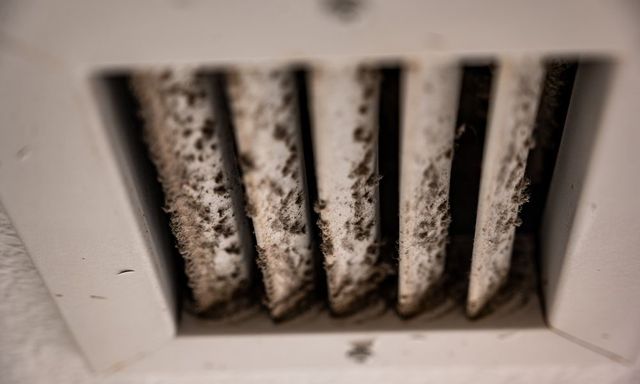
- Moisture accumulates in HVAC systems or ductwork
- Damp insulation absorbs humidity and never fully dries
- Dust and debris stay moist long enough to support growth
You may not see mold yet—but the smell is often the first clue that something is developing out of sight.
Common Places Musty Odors Originate in Merritt Island Homes
In coastal homes, odors rarely come from open surfaces. They usually originate in hidden or low-airflow areas.
HVAC Systems and Air Handlers
Air conditioning systems remove moisture from the air, but in humid environments, they can also collect and redistribute it. Condensation inside air handlers, drain pans, or ductwork often leads to mold growth that spreads odor throughout the home.
Under Flooring
Tile, vinyl, and laminate flooring installed over slabs can trap moisture underneath. Musty smells may be stronger in the morning or after the home has been closed up.
Behind Walls and Baseboards
Moisture intrusion from exterior walls, plumbing leaks, or condensation often leads to mold growth inside wall cavities, where odors slowly seep into living spaces.
Attics
Warm, humid air rises and condenses on roof decking when ventilation is limited. Attic mold often causes odors that drift downward into living areas.
Closets and Low-Airflow Rooms
Rooms with limited circulation—especially closets on exterior walls—often develop musty odors before mold becomes visible.
Why Cleaning Doesn’t Get Rid of Musty Smells
One of the most frustrating aspects of musty odors is that surface cleaning rarely works.
That’s because:
- Odors originate from hidden areas, not surfaces
- Air fresheners only mask smells temporarily
- Cleaning doesn’t remove moisture trapped in materials
- Mold continues growing out of sight
If the smell returns shortly after cleaning, it’s a strong indicator that moisture and mold remain somewhere in the structure.
The Role of Humidity in Persistent Odors
Humidity is the fuel that keeps musty odors alive.
In Merritt Island homes:
- Indoor humidity often stays above ideal levels
- Materials absorb moisture instead of drying
- Condensation forms on cool surfaces daily
- Mold growth is continuously supported
Even without leaks, high indoor humidity alone can sustain odor-causing microbial growth.
Musty Odors After Rain or Storms
Many property owners notice musty smells become stronger after heavy rain or storms.
This happens because:
- Wind-driven rain enters wall cavities
- Ground moisture increases under slabs
- Humidity spikes indoors
- Previously dry materials become damp again
If odors appear or intensify after storms, it often indicates moisture intrusion that hasn’t fully dried.
Why Musty Odors Often Come and Go
Musty smells may seem inconsistent—strong one day, faint the next. This fluctuation is common.
Odors often change with:
- Temperature shifts
- AC run time
- Indoor humidity levels
- Whether the home is occupied or closed up
Even when odors fade, the underlying moisture issue usually remains.
When Musty Odors Signal a Bigger Problem
While not every musty smell means widespread mold, persistent odors should never be ignored in coastal homes.
Odors are more concerning when:
- They last for weeks or months
- They return after cleaning
- They’re strongest near vents or floors
- They worsen during humid weather
- They’re paired with condensation or surface damage
In many cases, odors appear long before visible mold does.
How Professional Inspections Identify the Source
A professional mold inspection focuses on finding the moisture source, not just confirming mold presence.
Inspections may include:
- Moisture mapping of floors, walls, and ceilings
- HVAC system and condensate inspection
- Attic and insulation evaluation
- Identification of hidden moisture pathways
- Air or surface sampling when appropriate
This approach helps pinpoint where odors are coming from and why.
Why DIY Odor Treatments Often Fail
DIY odor treatments—sprays, foggers, ozone devices—rarely solve the problem and sometimes make it worse.
Common issues include:
- Masking odors without removing moisture
- Driving odors deeper into materials
- Failing to address hidden mold
- Creating a false sense of resolution
True odor elimination requires drying, removal, and moisture control, not scent cover-ups.
Preventing Musty Odors in Merritt Island Homes
Prevention focuses on keeping materials dry and air moving.
Helpful steps include:
- Keeping indoor humidity below 55%
- Running AC systems consistently
- Maintaining condensate drain lines
- Using bathroom and kitchen ventilation
- Inspecting flooring and walls after storms
- Avoiding long periods of closed-up vacancy
In coastal environments, consistency matters more than occasional fixes.
Why Local Merritt Island Experience Matters
Musty odors behave differently in coastal homes than inland properties. Local experience matters because:
- Humidity never fully disappears
- Slab foundations interact with high water tables
- Salt air accelerates HVAC wear
- Waterfront airflow affects condensation patterns
Mold Removal Merritt Island understands these local conditions and approaches odor issues by identifying moisture behavior—not just treating symptoms.
A Calm, Practical Takeaway
Musty odors aren’t just an inconvenience—they’re information. In Merritt Island homes, they usually indicate trapped moisture and early-stage mold growth that hasn’t become visible yet.
Addressing musty odors early often prevents larger repairs, protects indoor air quality, and keeps small moisture issues from becoming major problems. When the source is identified and moisture is controlled, the smell usually disappears for good.