
Mold Under Sinks in Indian River: What Merritt Island Property Owners Should Know
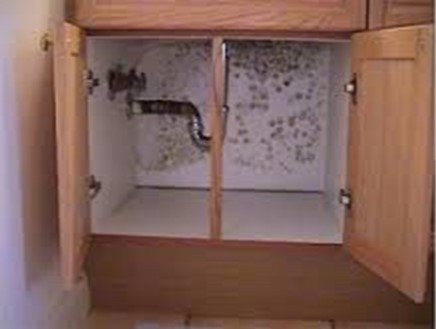
Living near the Indian River is one of the reasons many people choose Merritt Island. The water, the breeze, and the coastal lifestyle are hard to beat. But those same conditions also create one of the most common hidden mold problems local property owners face: mold growing under sinks.
Under-sink mold is quiet, sneaky, and extremely common in Indian River homes. It often develops out of sight and out of mind, slowly damaging cabinets, walls, and indoor air quality long before it’s discovered. Understanding why this happens—and what to do about it—can help prevent small moisture issues from turning into bigger problems.
What Mold Under Sinks Really Is
Mold under sinks forms when moisture becomes trapped inside cabinet spaces with little airflow. Kitchen and bathroom sinks combine plumbing, wood-based materials, darkness, and humidity—perfect conditions for mold growth.
Common areas where mold develops include:
- Cabinet floors made of particleboard or MDF
- The back wall behind plumbing lines
- Drywall inside the cabinet cavity
- Areas around drain traps and supply valves
- Insulation or wood framing behind the cabinet
In many Merritt Island homes, especially older ones near the Indian River, cabinet materials absorb moisture easily. Once that happens, mold can begin growing within a day or two.
Why This Happens So Often in Indian River Homes
Homes near the Indian River deal with environmental conditions that make under-sink mold especially common.
Persistent coastal humidity
High humidity is a constant on Merritt Island. Moist air enters cabinets and condenses on cooler pipes, especially during heavy air-conditioning use.
Slow, unnoticed plumbing leaks
Tiny drips from shutoff valves or drain connections often go unnoticed. Over weeks or months, that moisture soaks into cabinet bases.
Salt air corrosion
Salt carried from the Indian River accelerates corrosion on metal plumbing components, increasing the risk of small leaks.
High water table effects
Homes near waterways often experience elevated moisture levels inside walls and slabs, contributing to damp indoor conditions.
Poor airflow under sinks
Sink cabinets are rarely ventilated. Once moisture enters, it lingers.
Common Signs Property Owners Notice
Many homeowners only discover mold under sinks by accident. Warning signs include:
- Musty or earthy odors when opening cabinet doors
- Dark staining or fuzzy growth near pipes
- Warped, swollen, or soft cabinet flooring
- Peeling laminate or bubbling finishes
- Dampness that never seems to dry
In Indian River homes, these signs often appear after storms, plumbing repairs, or long periods of high humidity.
Hidden or Overlooked Mold Sources
Under-sink mold rarely stays confined to what you can see.
Behind cabinet walls
Leaks often travel down pipes and soak drywall behind the cabinet.
Under cabinet flooring
Particleboard can hold moisture long after the surface looks dry.
Pipe penetrations
Gaps around plumbing allow humid air and moisture to collect.
Adjacent wall cavities
Mold can spread into surrounding walls, especially after long-term leaks.
Old water damage
Previous leaks that were “fixed” may have left moisture behind.
Why DIY Mold Removal Usually Fails
Many Merritt Island homeowners attempt to clean under-sink mold themselves, but the results are usually temporary.
Bleach only treats stains
Bleach doesn’t penetrate porous cabinet materials or drywall.
Surface cleaning misses hidden growth
Mold behind walls or under flooring remains untouched.
Spore spread
Scrubbing without containment can release spores into living areas.
Moisture issues stay unresolved
Condensation, leaks, or humidity problems continue feeding mold growth.
In a coastal environment like Indian River, mold almost always returns when moisture isn’t properly addressed.
Professional Mold Inspection and Testing Explained
A professional inspection focuses on finding both the mold and the moisture source.
Visual inspection
Cabinets, plumbing, walls, and nearby materials are carefully examined.
Moisture detection
Specialized tools help identify damp areas behind cabinets and inside walls.
Targeted sampling when appropriate
Air or surface sampling may be used if mold is hidden or widespread.
Clear explanations
Findings are explained in simple terms so property owners understand the situation.
This process prevents unnecessary repairs and guesswork.
Proper Mold Removal and Remediation Process
Effective mold remediation under sinks involves more than wiping surfaces.
Containment
The work area is isolated to prevent spore spread.
Removal of damaged materials
Contaminated cabinet sections, drywall, or insulation are removed when needed.
Thorough cleaning
Affected surfaces are cleaned using methods appropriate for the materials involved.
Moisture correction
Leaks are repaired, condensation issues addressed, and humidity control recommended.
Prevention planning
Steps are taken to reduce the risk of future mold growth.
Mold Removal Merritt Island approaches under-sink mold with this complete, local-focused process rather than one-size-fits-all solutions.
How to Prevent Mold Under Sinks in Merritt Island Homes
Prevention is especially important for Indian River properties.
- Check under sinks monthly for moisture
- Fix even small plumbing drips promptly
- Run exhaust fans to reduce indoor humidity
- Insulate cold water pipes to limit condensation
- Avoid storing items directly on cabinet floors
- Dry cabinets thoroughly after any leak
- Schedule inspections after storms or plumbing work
Small habits can significantly reduce mold risk in coastal homes.
Why Local Merritt Island Experience Matters
Mold issues near the Indian River differ from those inland. Local experience means understanding:
- Coastal humidity patterns
- Salt-air plumbing corrosion
- Common cabinet construction in Merritt Island homes
- High water table moisture behavior
- Storm-related water intrusion risks
This local knowledge leads to faster identification and more effective solutions.
A Practical Next Step for Property Owners
If you notice musty odors, moisture, or visible mold under your sink, it’s worth having the area evaluated sooner rather than later. Under-sink mold is common in Indian River homes, but it doesn’t have to become a long-term issue.
A professional inspection provides clarity, identifies the moisture source, and outlines realistic options—without pressure or alarm. Addressing the issue early helps protect cabinets, walls, and overall indoor conditions in your Merritt Island property.
