
Mold Under Flooring in Merritt Island: What Merritt Island Property Owners Should Know
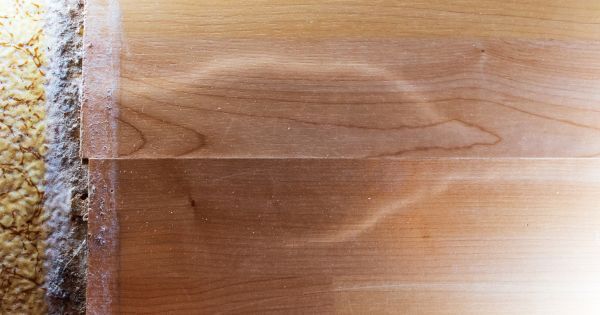
Flooring problems aren’t always about wear and tear. In Merritt Island homes, one of the most common hidden issues is mold growing underneath floors. Whether it’s tile, laminate, vinyl, or engineered wood, mold can develop below the surface long before homeowners notice anything is wrong.
With Merritt Island’s coastal humidity, high water table, frequent storms, and slab-on-grade construction, moisture has many ways to become trapped beneath flooring. Once it does, mold growth can follow quietly—affecting indoor air quality, flooring materials, and even the structure of the home.
Understanding why mold under flooring is so common locally, how to recognize the warning signs, and what proper remediation involves can help property owners address the issue before it escalates.
What Mold Under Flooring Really Is
Mold under flooring forms when moisture becomes trapped between the finished floor surface and the subfloor or concrete slab. This moisture may come from leaks, flooding, condensation, or humidity migrating upward from the slab.
Commonly affected materials include:
- Wood and laminate flooring
- Vinyl plank and sheet flooring
- Tile grout and underlayment
- Carpet padding
- Adhesives and subfloor materials
In Merritt Island homes, slab foundations are especially vulnerable. Moisture can move upward through concrete and become trapped beneath flooring with limited airflow, creating ideal conditions for mold growth.
Why This Happens So Often in Merritt Island Homes
Several local factors make under-flooring mold a frequent issue.
High coastal humidity
Warm, moist air combined with constant air conditioning creates condensation and moisture buildup beneath floors.
High water table
Homes near waterways often experience moisture migration through slabs, especially after heavy rain.
Storms and flooding
Even minor water intrusion during storms can seep beneath flooring and remain trapped.
Plumbing leaks
Leaks from supply lines, drains, or slab plumbing often go unnoticed until mold develops.
Improper flooring installation
Lack of vapor barriers or inadequate moisture testing during installation increases risk.
Common Signs Property Owners Notice
Mold under flooring often presents subtle warning signs before visible damage occurs:
- Musty or damp odors that linger
- Flooring that feels soft, warped, or uneven
- Tile grout discoloration or cracking
- Buckling or lifting laminate or wood planks
- Persistent humidity indoors
- Allergy-like symptoms that worsen inside the home
In Merritt Island, these signs frequently appear after storm season or prolonged periods of high humidity.
Hidden or Overlooked Sources of Moisture
Under-flooring mold is usually the result of moisture problems that aren’t obvious.
Slab moisture intrusion
Concrete slabs can wick moisture upward, especially in coastal areas.
Past water damage
Flooding or leaks that were “dried” may have left moisture beneath floors.
AC condensation
Condensate lines or poorly insulated ductwork can leak moisture into flooring areas.
Bathroom and kitchen leaks
Slow leaks around toilets, sinks, and appliances often spread under floors.
Poor drainage around the home
Water pooling near foundations increases slab moisture levels.
Why DIY Flooring Mold Fixes Usually Fail
Many homeowners attempt surface-level fixes that don’t address the real problem.
Surface cleaning doesn’t reach mold
Mold beneath flooring can’t be removed without accessing the affected area.
Deodorizers mask smells only
Odors may temporarily fade but return as mold continues to grow.
Partial repairs miss moisture sources
Replacing flooring without correcting moisture leads to repeat failures.
Spore spread risks
Removing flooring without containment can spread mold throughout the home.
In Merritt Island’s climate, incomplete solutions almost always lead to recurrence.
Professional Mold Inspection and Testing Explained
A proper inspection identifies both the mold and the moisture source.
Visual assessment
Inspectors evaluate flooring conditions and surrounding areas.
Moisture detection tools
Meters and infrared imaging help locate moisture beneath floors and slabs.
Targeted sampling when needed
Air or surface samples may confirm mold presence and extent.
Clear explanations
Findings are explained in plain language so property owners understand next steps.
This process prevents unnecessary demolition while ensuring hidden problems aren’t overlooked.
Proper Mold Removal and Remediation Process
Effective remediation under flooring follows a structured approach.
Containment setup
Affected areas are isolated to prevent spore spread.
Selective flooring removal
Only impacted flooring and materials are removed.
Cleaning and treatment
Subfloors or slabs are cleaned using appropriate methods.
Moisture correction
Leaks, slab moisture, or humidity issues are addressed.
Prevention planning
Recommendations are provided to reduce future moisture risks.
Mold Removal Merritt Island approaches under-flooring mold with a focus on long-term solutions tailored to local conditions.
How to Prevent Mold Under Flooring in Merritt Island Homes
Prevention is critical in coastal environments.
- Address plumbing leaks immediately
- Monitor indoor humidity levels
- Use proper vapor barriers during flooring installation
- Inspect floors after storms or flooding
- Maintain AC systems and condensate lines
- Improve exterior drainage around the home
- Schedule periodic moisture inspections
Proactive moisture control can significantly reduce under-flooring mold risk.
Why Local Merritt Island Experience Matters
Mold under flooring in Merritt Island isn’t the same as in inland areas. Local experience means understanding:
- Coastal humidity behavior
- Slab-on-grade moisture movement
- Storm-related water intrusion patterns
- Common flooring materials used locally
- High water table effects on homes
This knowledge leads to faster diagnosis and more accurate remediation.
A Practical Next Step for Property Owners
If you notice musty odors, changes in flooring, or unexplained moisture, it’s worth having the situation evaluated. Mold under flooring rarely resolves on its own and often worsens when ignored.
A professional inspection can identify the source, explain the scope, and outline practical options—without pressure or alarm. For Merritt Island property owners, early action helps protect flooring investments, indoor air quality, and the long-term condition of the home.
