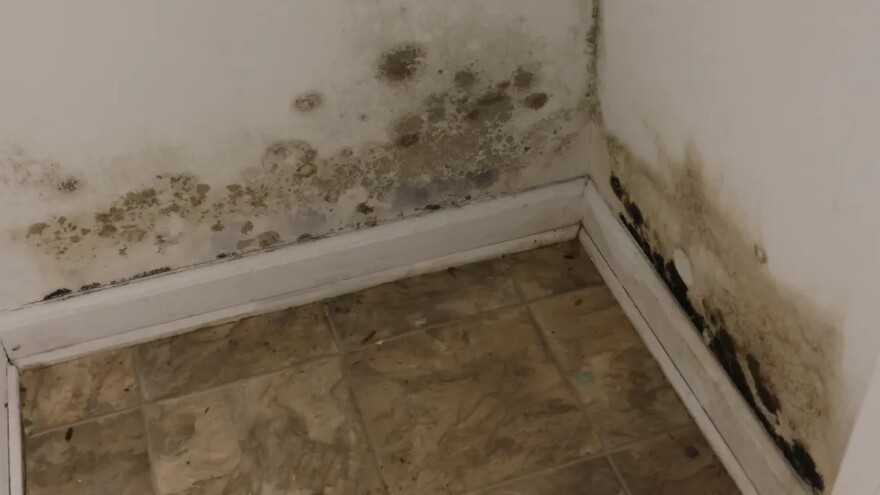
Mold Under Flooring in Banana River: What Merritt Island Property Owners Should Know
Living near the Banana River has its perks—water views, coastal breezes, and that laid-back Merritt Island lifestyle. But there’s a downside many property owners don’t notice until it becomes a real problem: mold growing under flooring. It’s one of the most common—and most overlooked—mold issues in Banana River–area homes.
Because mold under floors stays hidden, it can quietly spread for months. By the time homeowners notice a smell or warped flooring, the damage is often more extensive than expected. Understanding why this happens, what to look for, and how it’s properly handled can save a lot of stress later.
Why Mold Under Flooring Is So Common Near the Banana River
Homes along the Banana River deal with a unique mix of conditions that create the perfect environment for mold.
Persistent humidity is the biggest factor. Even on days that don’t feel especially damp, moisture levels remain high near the water. That moisture seeps into homes through slab foundations, crawl spaces, and tiny gaps around doors and walls.
Many Merritt Island homes also sit on a high water table. Moisture can migrate upward through concrete slabs, especially after heavy rain or seasonal storms. When that moisture gets trapped beneath flooring materials, mold growth isn’t far behind.
Salt air plays a role too. It accelerates wear on building materials and HVAC components, increasing the chances of condensation and slow leaks that go unnoticed.
What Mold Under Flooring Actually Is
Mold under flooring doesn’t usually start as a dramatic black patch. In most cases, it begins as microscopic growth feeding on moisture and organic material beneath the surface.
Common materials affected include:
- Plywood or OSB subflooring
- Adhesives used under tile or vinyl
- Padding beneath carpet
- Dust and debris trapped between slab and flooring
Once moisture is present, mold spreads laterally. That means a small leak in one area can lead to mold growth several feet away under the floor.
Flooring Types Most at Risk in Merritt Island Homes
Some flooring materials are more vulnerable than others in coastal homes near the Banana River.
Tile flooring
Cracked grout or loose tiles allow moisture to seep underneath and stay trapped.
Luxury vinyl plank (LVP)
While marketed as water-resistant, moisture can still accumulate below it, especially on slabs.
Laminate flooring
Highly susceptible to moisture; swelling and mold growth often occur quickly.
Carpet
Acts like a sponge, holding moisture against the subfloor for extended periods.
Common Signs Property Owners Notice
Because mold is hidden, the warning signs are often subtle at first.
Many Banana River homeowners report:
- A persistent musty odor that doesn’t go away
- Floors that feel soft, spongy, or uneven
- Buckling, warping, or lifting flooring
- Increased allergy-like symptoms indoors
- Unexplained humidity inside the home
These signs usually indicate moisture—and where there’s moisture, mold often follows.
Hidden Sources That Feed Mold Beneath Floors
Mold under flooring rarely comes from a single obvious event. More often, it’s the result of ongoing moisture issues.
Common sources include:
- Slow plumbing leaks under kitchens or bathrooms
- AC condensation lines dripping onto slabs
- Moisture intrusion after tropical storms
- Poor drainage around foundations
- Crawl space humidity rising into subfloors
In Banana River properties, even normal tidal humidity can contribute over time.
Why DIY Mold Removal Doesn’t Work Under Flooring
It’s tempting to think removing visible mold or spraying cleaner will solve the issue. Unfortunately, mold under flooring doesn’t work that way.
Surface cleaning:
- Doesn’t reach contaminated subfloor materials
- Leaves spores behind to regrow
- Fails to address the moisture source
Bleach and household cleaners may lighten stains, but they don’t eliminate mold embedded in porous materials. In fact, disturbing hidden mold without containment can spread spores throughout the home.
How Professional Mold Inspection Identifies the Real Problem
A proper mold inspection goes far beyond lifting a corner of flooring.
Professional inspectors evaluate:
- Moisture levels within flooring and slabs
- Signs of water intrusion or condensation
- Subfloor condition and material breakdown
- Air and surface samples when appropriate
The goal isn’t just to confirm mold—it’s to understand why it’s there and how far it has spread.
Proper Mold Removal and Remediation Under Flooring
Effective remediation focuses on safety, thoroughness, and long-term prevention.
A professional process typically includes:
- Controlled removal of affected flooring
- Containment to prevent spore spread
- Safe removal of contaminated subfloor materials
- Drying and dehumidification
- Correction of moisture sources
In many Merritt Island homes, this step is critical. Without moisture control, mold simply returns—even after replacement flooring is installed.
Preventing Mold Under Flooring in Banana River Homes
Prevention is especially important for coastal properties.
Helpful steps include:
- Maintaining indoor humidity below 55%
- Regular AC system inspections and maintenance
- Promptly addressing leaks, even small ones
- Improving drainage around the home
- Using vapor barriers where appropriate
After storms or heavy rain, inspecting flooring areas—especially near exterior walls—can catch problems early.
Why Local Merritt Island Experience Makes a Difference
Homes near the Banana River behave differently than inland properties. Local experience matters when diagnosing mold under flooring because:
- Coastal humidity behaves differently year-round
- High water tables affect slabs and crawl spaces
- Building styles vary widely across Merritt Island
- Waterfront exposure increases moisture risk
Professionals familiar with the area can identify patterns that others may miss.
A Calm, Practical Next Step
If you suspect mold under your flooring—or notice musty smells, warping, or moisture—it’s worth having the situation evaluated before it worsens. Mold Removal Merritt Island provides local, professional inspections focused on understanding the root cause, not just the surface symptoms.
Early evaluation often prevents larger repairs and protects both the property and the people living in it.