
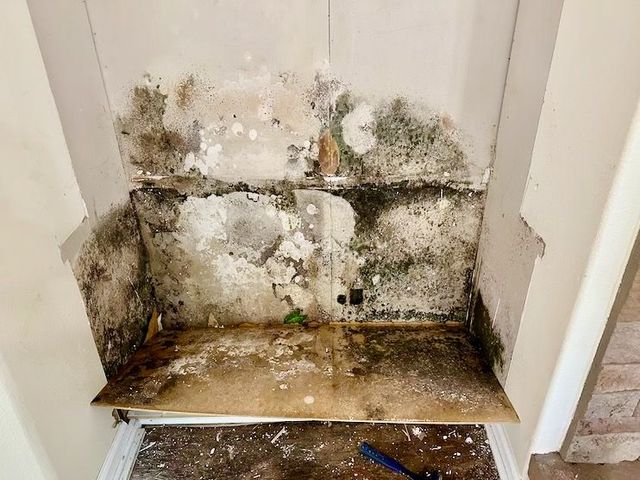
Mold Removal in Merritt Island: What Merritt Island Property Owners Should Know
Mold removal is a reality of owning property in Merritt Island. Living between the Banana River and the Indian River means constant exposure to humidity, salt air, frequent storms, and warm temperatures that rarely allow buildings to fully dry out. Even well-maintained homes can develop mold over time, often without a dramatic leak or flood.
For homeowners, landlords, and property managers, understanding how mold removal actually works in Merritt Island helps prevent repeat problems and unnecessary stress. Mold removal is not just about cleaning visible spots. It is about correcting the moisture conditions that allow mold to survive in the first place.
Why Mold Is So Common in Merritt Island Homes
Merritt Island’s coastal location creates year-round moisture pressure. Humid air moves inland daily, settles into building materials, and lingers longer than many property owners expect.
Common local contributors include:
- High outdoor humidity that seeps indoors
- Slab foundations that transmit ground moisture
- Heavy reliance on air conditioning
- Attics that trap humid air
- Salt air that accelerates material breakdown
- Storm-driven rain intrusion
Because these factors are ongoing, mold can develop slowly even when there are no obvious water events.
Mold Does Not Always Follow Obvious Water Damage
One of the most misunderstood aspects of mold is that it often grows without visible leaks. In Merritt Island, mold frequently develops from condensation, vapor movement, or trapped humidity.
Moisture may collect behind walls, under flooring, or inside HVAC systems. Because these areas are out of sight, mold can grow unnoticed for long periods.
Mold removal starts with understanding where moisture is hiding, not just where mold is visible.
Common Signs That Mold Removal May Be Needed
Property owners often notice subtle warning signs before visible mold appears. These can include:
- Musty or earthy odors
- Persistent indoor humidity
- Discoloration on walls or ceilings
- Peeling paint or warped materials
- Condensation around vents or windows
- Mold returning after cleaning
In coastal environments, these early signals should not be ignored.
Hidden Mold Is More Common Than Visible Mold
In Merritt Island homes, hidden mold is often a bigger issue than surface growth. Mold commonly develops:
- Behind drywall on exterior walls
- Under baseboards and flooring
- Inside closets with poor airflow
- In attics and roof structures
- Around HVAC air handlers and ductwork
Mold removal that focuses only on visible areas often fails because the underlying growth remains untouched.
Why DIY Mold Removal Usually Fails
Many property owners attempt mold removal using household cleaners or bleach. While this may improve appearance temporarily, it rarely solves the problem.
DIY methods often fail because:
- Moisture sources are not corrected
- Hidden mold remains in walls or floors
- Scrubbing spreads spores into the air
- Water-based cleaners add more moisture
- No containment is used
In Merritt Island’s humid climate, mold almost always returns when moisture is not addressed.
Mold Removal Starts With Moisture Control
Effective mold removal always begins by identifying and correcting moisture problems. Removing mold without fixing moisture guarantees recurrence.
In Merritt Island, moisture sources often include:
- HVAC condensate drain issues
- Attic ventilation problems
- Ground moisture from slab foundations
- Past roof or plumbing leaks
- Poor airflow in enclosed spaces
Moisture stabilization is the foundation of successful mold removal.
Containment Protects the Rest of the Home
Containment is a critical step in professional mold removal. Disturbing mold without containment can spread spores throughout the home, especially through HVAC systems.
Containment isolates affected areas using barriers and controlled airflow. This prevents cross-contamination and keeps mold from spreading into clean areas.
In occupied homes, proper containment allows work to proceed safely with minimal disruption.
Safe Removal of Mold-Affected Materials
Once contained, mold-affected materials are removed or treated depending on severity. Porous materials such as drywall, insulation, and ceiling tiles often need to be removed if contamination is significant.
Non-porous materials may be cleaned using appropriate methods. The goal is complete removal of mold growth, not cosmetic improvement.
Careful removal prevents spores from spreading beyond the work area.
HVAC Systems and Mold Removal
HVAC systems are a major focus during mold removal in Merritt Island homes. Air conditioners run frequently and produce constant condensation.
Mold removal may involve:
- Addressing mold near air handlers or vents
- Clearing clogged drain lines
- Correcting damaged drain pans
- Improving duct insulation
- Adjusting airflow and humidity control
Ignoring HVAC-related moisture often leads to mold returning even after thorough removal elsewhere.
Slab Foundations and Floor-Level Mold
Most homes in Merritt Island are built on slab foundations. After heavy rain or during high water table conditions, moisture migrates upward through concrete as vapor.
This often leads to mold near baseboards, under flooring, and inside closets. Mold removal must account for slab-related moisture to prevent recurrence.
Understanding this local building behavior is critical to long-term success.
Drying and Dehumidification Are Essential
After mold removal, drying is not optional. In coastal Florida, natural drying is rarely sufficient.
Professional dehumidification and air movement remove moisture from walls, floors, and ceilings. Drying continues until moisture readings confirm stable conditions.
Skipping this step almost always results in mold returning.
Cleaning and Post-Removal Steps
Once removal and drying are complete, affected areas are cleaned thoroughly to remove residual dust and mold particles.
In some cases, post-removal evaluation is performed to confirm conditions are acceptable before rebuilding or repainting.
Clear documentation helps property owners understand what was done and supports future maintenance or transactions.
Mold Removal During Occupancy
In many cases, mold removal can be performed while the home is occupied. Proper containment and planning limit disruption.
Some areas may need to be temporarily closed off, but full relocation is rarely required when work is handled correctly.
Early action reduces inconvenience and prevents larger disruptions later.
Long-Term Impact of Ignoring Mold
Leaving mold unaddressed can lead to long-term damage. Moisture and mold degrade drywall, insulation, flooring, and framing over time.
Repeated exposure increases repair costs and complicates future renovations or sales. Early mold removal protects both the structure and the property’s value.
For rental properties, prompt removal reduces tenant complaints and vacancy risk.
Preventing Mold After Removal
Successful mold removal should reduce current growth, but prevention remains essential. Ongoing strategies include:
- Monitoring indoor humidity
- Maintaining HVAC drain systems
- Improving attic and closet ventilation
- Keeping storage off floors
- Inspecting after storms
Prevention focuses on keeping moisture below mold-supporting levels.
Why Local Experience Matters
Mold removal in Merritt Island is shaped by coastal humidity, slab foundations, salt air exposure, and storm patterns. These conditions differ from inland properties.
Local experience helps identify moisture patterns quickly and apply solutions that actually work in this environment. Generic approaches often fail to address the real causes.
Mold Removal Merritt Island works with property owners using strategies grounded in real Merritt Island conditions rather than one-size-fits-all methods.
A Practical Takeaway for Property Owners
Mold removal in Merritt Island is not just about eliminating visible mold. It is about restoring balance between the building and its environment. Mold is a moisture problem first, and removal succeeds only when moisture is controlled.
Early action, proper containment, thorough removal, and complete drying reduce disruption and prevent recurrence. Delays and shortcuts almost always increase costs over time.
For Merritt Island property owners facing mold concerns or repeated issues, professional mold removal provides clarity and long-term stability. Mold Removal Merritt Island understands how mold behaves in this coastal environment and helps property owners move from recurring frustration to durable, moisture-aware solutions.