
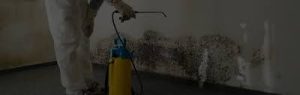
Mold Problems in Vacation Homes on Merritt Island
Merritt Island is a popular destination for vacation homes thanks to its waterways, scenic views, and proximity to beaches and space coast attractions. However, vacation homes face unique challenges when it comes to mold problems. Unlike full-time residences, vacation properties are often unoccupied for weeks or months, allowing moisture and mold issues to develop unnoticed. Understanding the risks, common problem areas, and preventative strategies is essential for homeowners who want to protect their investment and maintain a safe, healthy environment.
Why Vacation Homes Are Vulnerable to Mold
Vacation homes on Merritt Island are exposed to the same environmental conditions as primary residences, but their intermittent occupancy makes them more susceptible to hidden mold:
- High Coastal Humidity: Merritt Island experiences consistently high humidity, which keeps indoor surfaces damp.
- Salt Air Exposure: Salt-laden air can degrade paint, siding, and seals, allowing water intrusion.
- Frequent Storms: Hurricanes, tropical storms, and heavy rain can introduce water through roofs, windows, doors, or slab foundations.
- Inconsistent Climate Control: When unoccupied, HVAC systems may be off, reducing airflow and allowing moisture to accumulate.
- Slab-On-Grade Construction: Homes built on slabs can absorb moisture from the high water table, especially when unventilated.
Even minor leaks or condensation that goes unnoticed can quickly lead to hidden mold growth in a vacation home.
How Mold Develops in Vacation Homes
Mold grows where moisture meets organic material. In vacation homes, water sources include:
- Roof and Window Leaks: Storms or aging seals can allow water to penetrate into wall cavities or attics.
- Plumbing Issues: Leaky pipes or fixtures may go unnoticed for extended periods.
- Condensation: AC systems turned off for long periods allow humidity to settle on surfaces and inside ductwork.
- Ground Moisture: Slab foundations can absorb water from the soil, creating damp floors and lower wall sections.
Once moisture is present, mold spores can settle and grow, often in hidden areas like attics, crawl spaces, HVAC systems, or wall cavities.
Common Signs of Mold in Vacation Homes
Homeowners may not notice mold immediately, but some warning signs can help identify problems early:
- Musty odors upon entering the property
- Discoloration, staining, or bubbling paint on walls and ceilings
- Warping, softening, or buckling of flooring and cabinetry
- Condensation on windows, vents, or ductwork
- Water-stained baseboards or flooring near slab foundations
Recognizing these signs early can prevent minor mold issues from becoming major structural or health concerns.
Hidden Mold Locations in Vacation Homes
Vacation homes often have areas that are difficult to inspect regularly:
- Attics: Poor ventilation and occasional roof leaks create ideal mold conditions.
- Crawl Spaces and Slabs: Ground moisture can accumulate unnoticed in underfloor areas.
- Wall Cavities: Condensation or previous leaks allow mold to grow behind drywall.
- HVAC Systems: Ducts, vents, and insulation may harbor mold that spreads spores when systems are restarted.
Professional inspections are often required to locate and remediate hidden mold in these areas.
Why DIY Mold Removal Can Fail
Property owners sometimes attempt to remove mold themselves using bleach or household cleaners. While surface mold may temporarily disappear, DIY efforts often fail to address hidden mold or underlying moisture sources.
Common issues with DIY removal include:
- Disturbing mold spores and spreading them to uncontaminated areas
- Missing mold hidden in wall cavities, under floors, or in HVAC systems
- Failing to correct moisture sources, allowing mold to return
Professional remediation ensures mold is safely removed and underlying problems are addressed.
Professional Mold Inspection and Remediation
Effective mold management in vacation homes typically involves:
- Comprehensive Inspection: Identifying visible and hidden mold as well as moisture sources.
- Containment: Isolating affected areas to prevent spore spread during remediation.
- Safe Removal: Removing contaminated materials and cleaning salvageable surfaces using industry-approved methods.
- Moisture Source Correction: Repairing leaks, improving ventilation, and maintaining HVAC systems.
- Post-Remediation Verification: Confirming that all mold has been removed and affected areas are dry.
This approach ensures both safety and long-term protection for vacation properties.
Preventing Mold in Vacation Homes
Prevention is essential, especially in homes that are not regularly occupied:
- HVAC Management: Run AC systems periodically or use dehumidifiers to control humidity.
- Inspect After Storms: Check roofs, windows, and doors for leaks or water intrusion.
- Ventilation: Ensure attics, crawl spaces, and bathrooms have proper airflow.
- Seal Vulnerable Areas: Repair deteriorated caulking, flashing, and seals around windows and doors.
- Monitor Moisture: Consider remote monitoring systems to track humidity or leaks while away.
These strategies reduce the risk of hidden mold and protect indoor air quality.
Why Local Expertise Matters
Merritt Island’s coastal environment presents unique challenges for mold prevention and remediation. Local professionals understand:
- How humidity, salt air, and storms affect building materials
- Where hidden mold is likely to develop in slab-on-grade homes, attics, and crawl spaces
- Effective inspection and remediation strategies tailored to vacation homes
Local expertise ensures problems are addressed thoroughly, safely, and efficiently.
A Calm, Informed Approach for Vacation Homeowners
Mold problems in vacation homes are common but manageable with awareness, proper maintenance, and professional inspection. Proactive measures prevent hidden mold, protect indoor air quality, and safeguard the property’s value.
Working with a local provider like Mold Removal Merritt Island ensures thorough inspections, safe remediation, and long-term prevention strategies, giving homeowners peace of mind and confidence in their coastal retreat.
