Mold Prevention After Storms in Sykes Creek: What Merritt Island Property Owners Should Know
Storms are a fact of life for homeowners in Sykes Creek. Heavy rain, high winds, saturated ground, and lingering humidity often follow tropical storms and hurricanes, and while visible damage usually gets immediate attention, mold is the quieter problem that shows up days or even weeks later.
Because Sykes Creek sits close to waterways and has a naturally high water table, homes in this area are especially vulnerable after storms. Even when there’s no obvious flooding, excess moisture can seep into walls, floors, attics, and HVAC systems. Knowing how mold develops after storms—and how to prevent it—can make a major difference in protecting your property.
What Post-Storm Mold Really Is
Post-storm mold isn’t caused by one single event. It develops when moisture from rain, wind-driven water, or elevated humidity gets trapped inside building materials and doesn’t dry out properly. Mold spores are always present in the air, and when conditions are right, they settle in and grow quickly.
In Sykes Creek homes, this often happens behind walls, under flooring, or inside insulation where moisture lingers long after the storm passes. By the time mold becomes visible or noticeable by smell, it may already be well established.
Why Storm-Related Mold Is So Common in Sykes Creek
Several local conditions make post-storm mold a recurring issue in Sykes Creek:
- High water tables that keep soil and foundations damp
- Proximity to waterways, slowing drainage after heavy rain
- Wind-driven rain that enters through small exterior gaps
- Roof and flashing stress during storms
- Extended humidity following rain events
Many homes in Sykes Creek are slab-on-grade or older construction, which can allow moisture to migrate upward or remain trapped inside wall systems. Even minor storms can raise indoor humidity enough to trigger mold growth if drying is delayed.
Early Warning Signs After a Storm
After a storm, homeowners should stay alert for subtle changes, including:
- Musty or earthy odors appearing days later
- Staining on walls, ceilings, or around windows
- Peeling paint or bubbling drywall
- Warped baseboards or flooring
- Condensation that doesn’t clear up
These signs often appear after the immediate cleanup is finished, when moisture has had time to soak into materials.
Hidden Mold Sources After Storms
Storm-related mold frequently develops in places that aren’t easy to see:
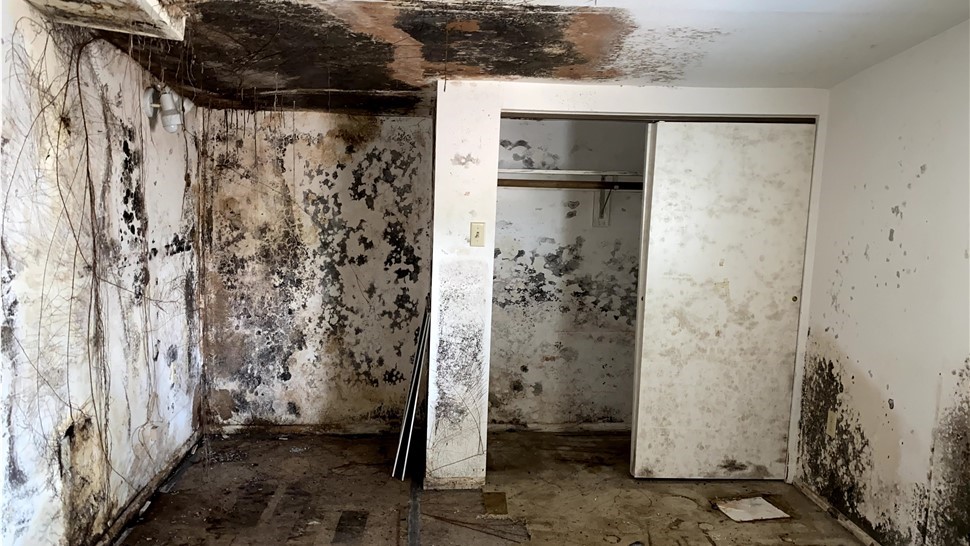
- Inside walls where rain penetrated exterior surfaces
- Under flooring from moisture rising through the slab
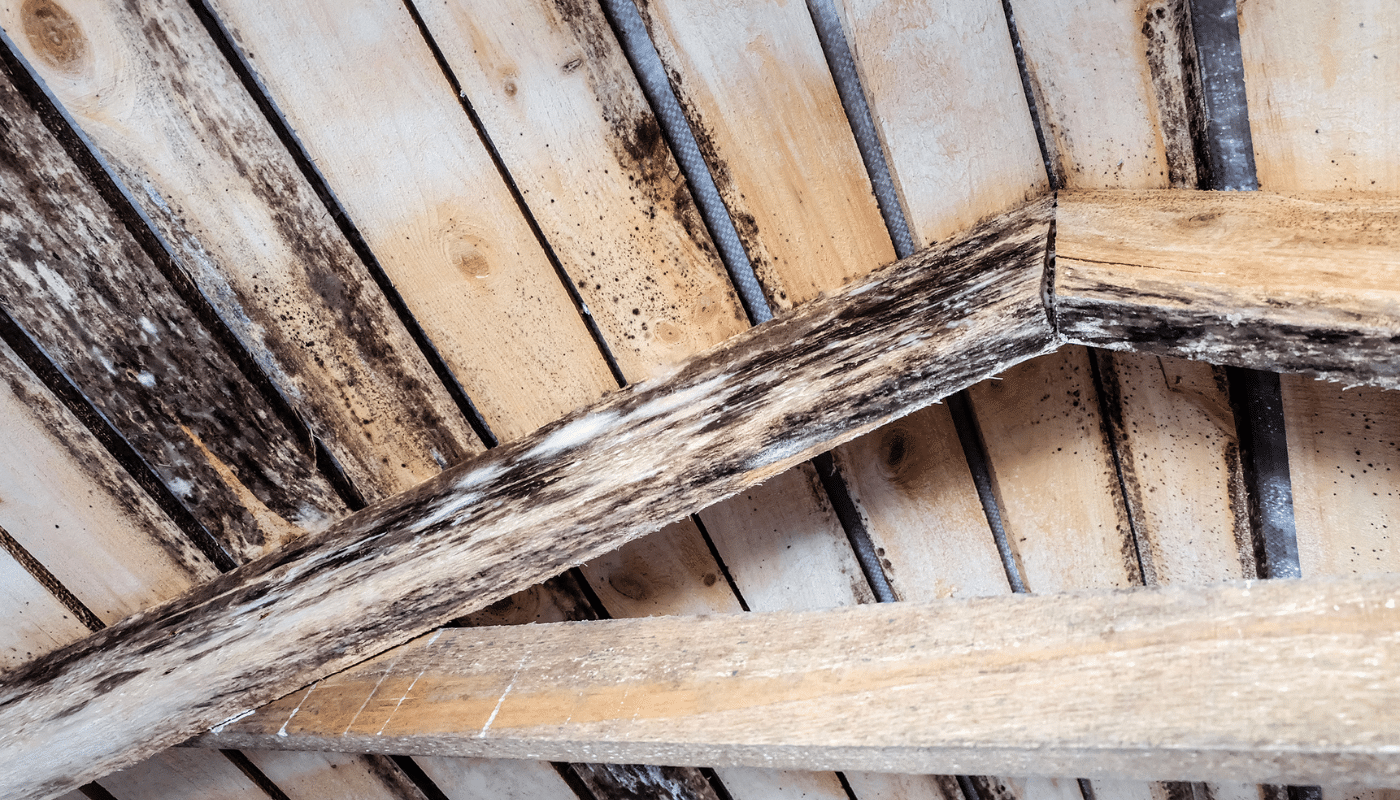
- In attics from roof leaks or wind-driven rain
- Inside crawl spaces with poor drainage
- In HVAC systems affected by elevated humidity
Because these areas stay damp longer, mold can spread quietly without being disturbed.
Why Waiting or DIY Cleanup Can Backfire
It’s common for homeowners to wait and see if things dry out on their own. Unfortunately, in Sykes Creek’s climate, moisture often lingers longer than expected. Surface cleaning or running fans may help temporarily but rarely dries hidden areas.
DIY mold cleanup after storms usually fails because it doesn’t address moisture inside walls or structural materials. Scrubbing visible mold without containment can also spread spores to unaffected areas, increasing the scope of the problem.
Professional Mold Inspection After Storms
A post-storm mold inspection focuses on identifying moisture before mold becomes widespread. In Sykes Creek homes, inspections typically include:
- Visual assessment of storm-exposed areas
- Moisture detection behind walls and under flooring
- Inspection of roofs, attics, and exterior penetrations
- Evaluation of HVAC systems and ductwork
- Air or surface sampling when appropriate
When testing is used, results help confirm whether indoor mold levels are elevated and guide next steps.
Proper Mold Prevention Steps After Storms
Preventing mold after storms requires quick, targeted action:
- Dry affected areas as soon as possible
- Remove wet materials that can’t be dried effectively
- Address roof, window, or exterior leaks promptly
- Control indoor humidity following storms
- Inspect hidden areas even if no flooding occurred
Homes near Sykes Creek benefit from proactive moisture checks, especially after prolonged rain or tropical systems.
Long-Term Mold Prevention for Sykes Creek Homes
Beyond immediate storm response, long-term prevention strategies include:
- Maintaining roof and exterior seals
- Ensuring proper drainage away from foundations
- Monitoring humidity year-round
- Servicing HVAC systems regularly
- Scheduling periodic inspections in storm-prone seasons
These steps help reduce the likelihood of mold returning after future storms.
Why Local Experience Matters in Post-Storm Mold Prevention
Storm-related mold behaves differently in coastal communities than in inland areas. Local experience matters because it brings understanding of:
- How Sykes Creek’s water table affects homes
- Where storm moisture typically infiltrates local construction
- How humidity lingers after rain events
- Common weaknesses in older Merritt Island homes
A local provider like Mold Removal Merritt Island understands these patterns and can identify storm-related risks more accurately.
A Practical Next Step After Storms
If your Sykes Creek property experienced heavy rain, wind, or prolonged humidity—even without visible flooding—it’s wise to have it evaluated. Mold prevention starts with identifying hidden moisture early.
A professional inspection can help ensure your home truly dried out after the storm and reduce the risk of mold developing weeks or months later.
Images
Storm-Related Mold on Interior Walls in a Florida Home
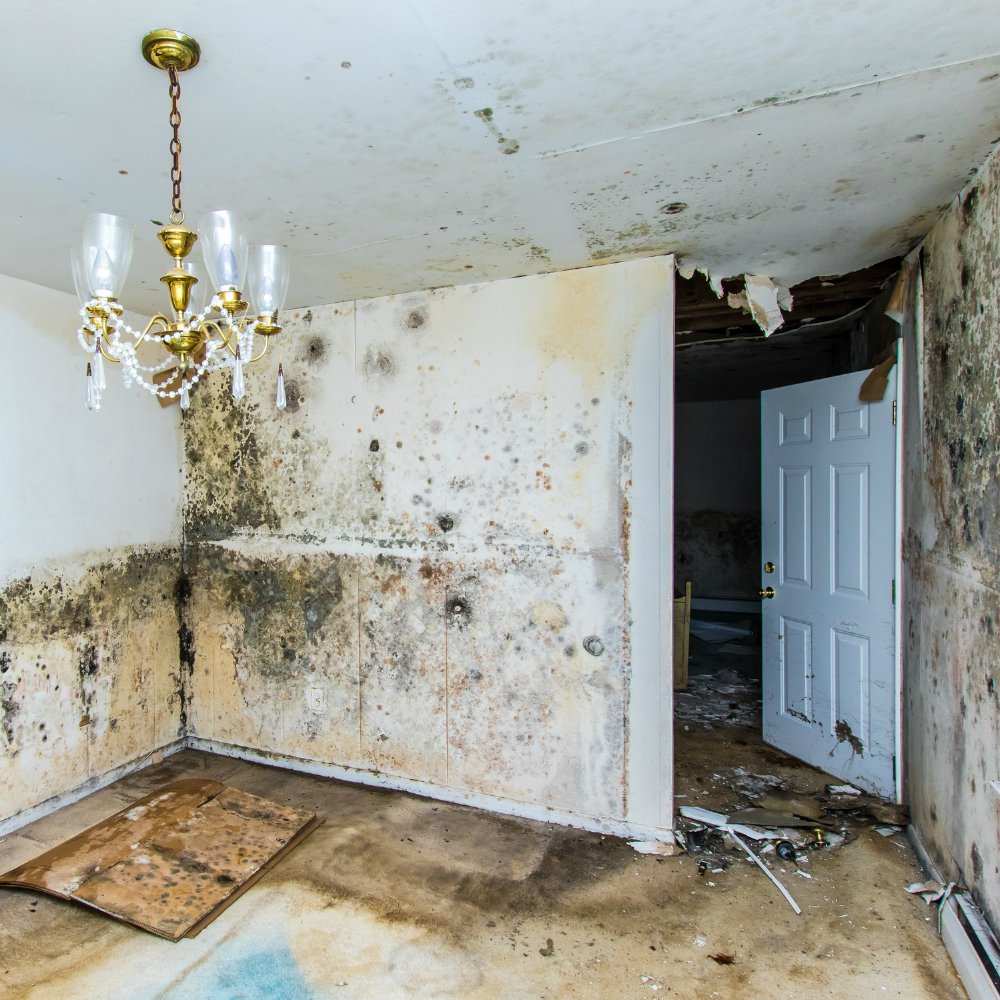

Hidden Mold Under Flooring After Heavy Rain and High Water Table


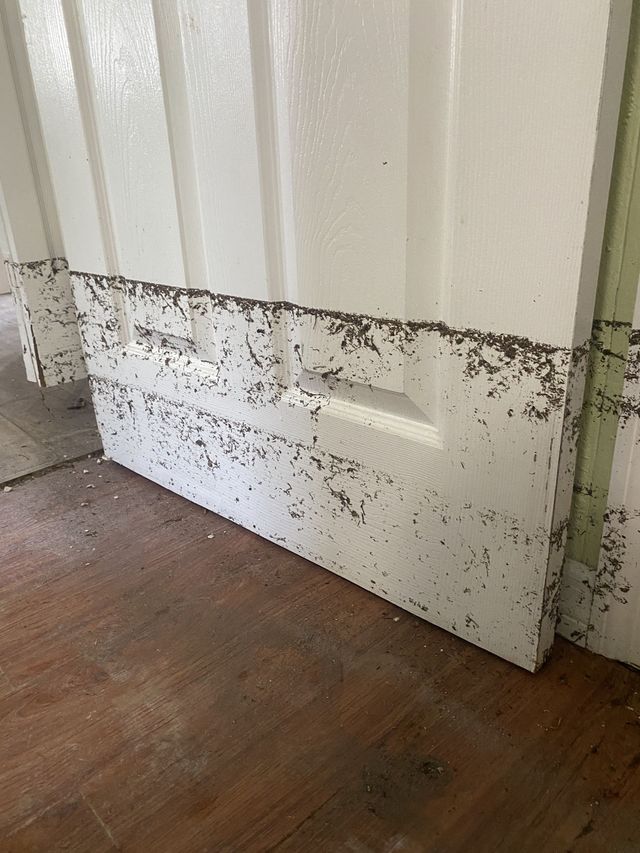
Attic Mold Caused by Roof Leaks After Storms