

Mold Prevention After Storms in South Merritt Island: What Merritt Island Property Owners Should Know
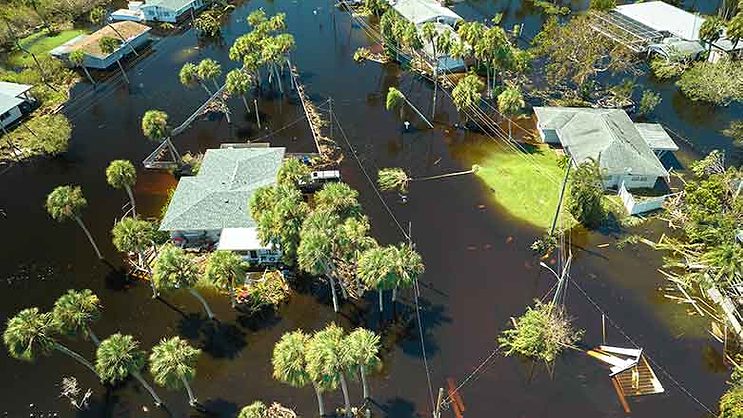
Storms are part of life in South Merritt Island. Tropical systems, heavy rain bands, and wind-driven storms regularly test roofs, windows, and building envelopes. Even when a home appears to weather a storm without obvious damage, moisture can still enter quietly and linger long enough to create mold problems weeks later.
For property owners, the biggest mistake after a storm is assuming that “no visible damage” means no risk. In South Merritt Island, where humidity is already high due to the Banana River and Indian River, storm-related moisture often dries slowly. Understanding how storms introduce moisture and what steps prevent mold afterward helps protect properties and avoid costly remediation.
Why Storms Increase Mold Risk in South Merritt Island
South Merritt Island’s coastal location amplifies storm effects. Wind-driven rain can force water into small gaps that remain sealed during normal weather. High humidity slows evaporation, allowing wet materials to stay damp far longer than expected.
Salt air also accelerates wear on roofing components, flashing, fasteners, and exterior seals. Over time, storms exploit these weakened areas. Even short-lived leaks can soak insulation, drywall, or wood framing enough to support mold growth.
Because storms are frequent, moisture exposure can compound before materials have time to dry fully.
How Storm Moisture Enters Homes Without Obvious Damage
Storm-related water intrusion is often subtle. Rain can enter through roof penetrations, vents, skylights, soffits, or window frames without leaving immediate stains. Water may travel along framing members before settling in attics, ceilings, or wall cavities.
Ground saturation is another issue. Heavy rain raises the water table, allowing moisture to migrate upward through slab foundations. This often affects lower walls, closets, and flooring even when there is no flooding.
In South Merritt Island homes, these hidden pathways are responsible for many post-storm mold problems.
Why Mold Often Appears Days or Weeks After a Storm
Mold rarely appears overnight. After a storm, materials may feel dry on the surface while remaining damp internally. In humid conditions, drying is slow and incomplete.
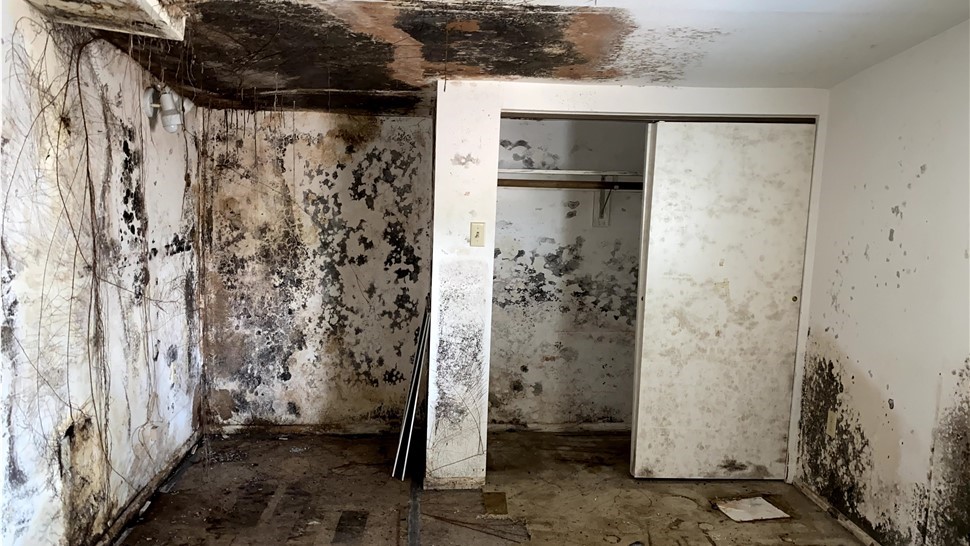
As days pass, moisture trapped inside walls, insulation, or ceilings creates a stable environment for mold. This delayed growth is why property owners often discover mold well after the storm has passed and repairs seem complete.
Recognizing this delay is key to effective prevention.
Attics: The First Place to Check After Storms
Attics are one of the most vulnerable areas after storms. Wind-driven rain can enter through roof vents or flashing and soak insulation and roof decking.
In South Merritt Island, attic ventilation may already be strained by humidity. When wet insulation is added, drying becomes even slower. Mold often develops on roof decking or framing long before stains appear inside the home.
A post-storm attic inspection is one of the most important preventive steps.
Roof Leaks That Seem Minor but Aren’t
Small roof leaks are easy to underestimate. A few drips during a storm may not leave visible ceiling damage, but they can saturate insulation above drywall.
Once insulation is wet, it holds moisture against wood and drywall. In coastal conditions, this moisture may never fully dry without intervention. Mold growth often follows, even if the roof leak is repaired quickly.
Stopping water entry is only half the solution; drying what got wet is equally important.
HVAC Systems After Storms
Storms can indirectly affect HVAC systems. Power outages, fluctuating temperatures, and increased humidity all change how systems operate.
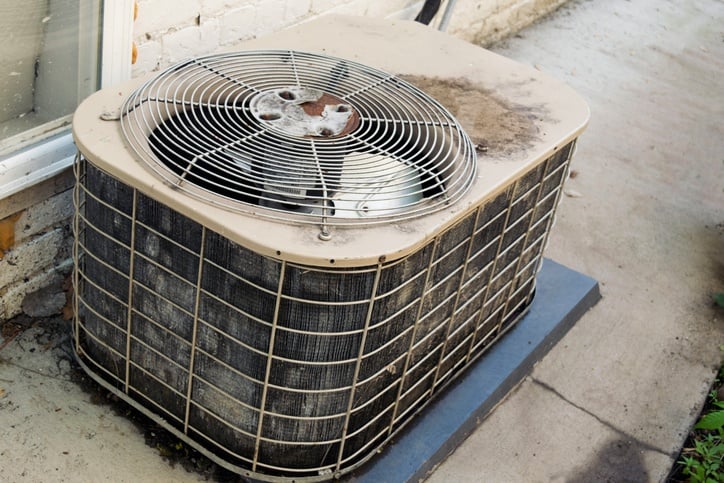
After storms, AC systems may run longer, producing more condensation. If drain lines clog or pans overflow, moisture can leak into air handler closets or ceilings.
Salt air and debris introduced during storms can also accelerate corrosion and drainage issues. Post-storm HVAC checks help prevent condensation-related mold.
Windows, Doors, and Exterior Walls
Wind-driven rain often targets windows and doors. Even well-installed units can allow small amounts of water past seals during severe weather.
Moisture may collect inside wall cavities without leaving immediate surface signs. Over time, this trapped moisture can lead to mold behind drywall, especially in rooms along exterior walls.
Checking for dampness, odors, or subtle staining after storms helps catch these issues early.
Garages and Utility Areas After Heavy Rain
Garages, laundry rooms, and utility spaces are frequently affected by storms. These areas often have slab floors, limited insulation, and less climate control.
Ground moisture after heavy rain can raise humidity in these spaces quickly. Mold often appears on lower walls, stored items, or behind appliances.
Because these areas are not living spaces, problems are often missed until mold is established.
Why DIY Drying Isn’t Always Enough After Storms
Fans and dehumidifiers can help, but they have limits in humid coastal environments. When outdoor air is saturated, indoor drying slows dramatically.
Surface drying does not guarantee that materials behind walls or under floors are dry. Without moisture measurements, it’s easy to underestimate how much water remains.
Relying solely on visible dryness often allows mold to develop unnoticed.
The Role of Professional Moisture Inspections
Professional inspections after storms focus on moisture, not just damage. Moisture meters and visual assessment help identify damp materials hidden behind surfaces.
In South Merritt Island homes, inspections often reveal moisture spread beyond the obvious entry point. Water may travel along framing or settle in unexpected locations.
Mold Removal Merritt Island works with local property owners to assess post-storm moisture risks using methods suited to coastal conditions and local construction styles.
Practical Steps to Prevent Mold After Storms
Prevention starts immediately after the storm passes. Inspect attics, ceilings, exterior walls, and utility areas for dampness. Pay attention to musty odors, which often appear before visible mold.
Ensure HVAC systems are draining properly and running efficiently. Remove wet materials or dry them thoroughly as soon as possible. Do not ignore minor leaks or stains.
Regular post-storm checks reduce the chance that moisture turns into mold.
Why Timing Matters After Storms
The first 24 to 72 hours after a storm are critical. Moisture that is dried quickly is far less likely to support mold growth.
Delays allow humidity to stabilize inside materials, making drying more difficult later. In South Merritt Island’s climate, early action often makes the difference between minor drying and full remediation.
Why Local Experience Makes a Difference
Storm-related mold in South Merritt Island behaves differently than it does inland. Coastal humidity, salt air, slab foundations, and frequent storms change how moisture enters and lingers.
Local experience means knowing where to look first, which areas dry slowest, and how storms typically affect homes here. This reduces missed moisture and repeat problems.
A Calm, Preventive Approach for Property Owners
Storms are unavoidable, but mold does not have to be. A calm, methodical response focused on inspection and drying protects properties far better than reactive cleanup later.
By understanding how storms affect South Merritt Island homes and acting early, property owners can prevent mold from becoming a long-term issue. When uncertainty exists, professional evaluation provides clarity and direction.
Mold Removal Merritt Island is familiar with the specific post-storm moisture patterns seen throughout South Merritt Island and Brevard County, offering guidance grounded in real local conditions.
