
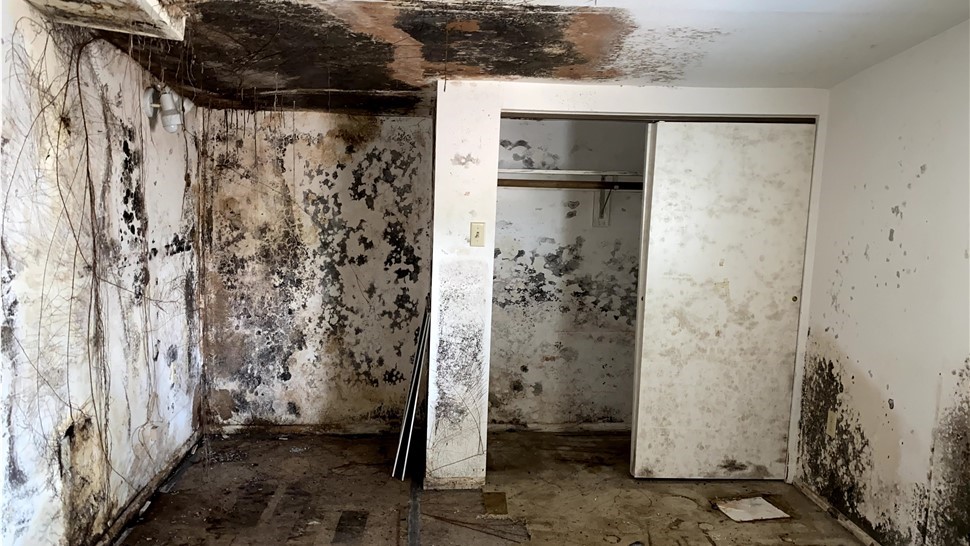
Mold Prevention After Storms in North Merritt Island: What Merritt Island Property Owners Should Know
Storms are a fact of life in North Merritt Island, and while wind and rain may pass quickly, the moisture they leave behind can trigger mold growth within days. Even when there’s no obvious flooding, storm-driven rain, saturated ground, and power interruptions create the perfect conditions for hidden moisture—and mold—to take hold.
For Merritt Island property owners, knowing what to do immediately after a storm is the most effective way to prevent mold, protect indoor air quality, and avoid costly repairs.
🧠 Why Storms Increase Mold Risk in North Merritt Island
Storm-related mold isn’t only about visible water.
🌧 Wind-Driven Rain & Hidden Intrusion
Coastal storms can push rain into places you won’t see right away:
- Roof seams, flashing, and vents
- Window and door frames
- Exterior wall penetrations
Small intrusions repeated over several storms can keep materials damp long enough for mold to grow.
🌊 Saturated Ground & High Humidity
After storms, soil around foundations stays wet and outdoor humidity spikes. This slows drying inside homes—especially in slab-on-grade construction—allowing moisture to linger under flooring and inside walls.
⚡ Power Outages Delay Drying
When power goes out, AC systems and dehumidifiers stop. Even a short outage can raise indoor humidity quickly, accelerating mold growth.
📈 Where Mold Commonly Starts After Storms
After storms in North Merritt Island, mold often develops in:
- Attics beneath roof penetrations
- Behind exterior-facing walls
- Under flooring and baseboards
- Inside HVAC systems and ductwork
- Garages, closets, and laundry rooms
These areas dry slowly and are easy to overlook.
⏱️ The First 24–48 Hours: Your Mold-Prevention Window
Mold can begin growing within 24–48 hours. Fast action matters.
✅ Immediate Post-Storm Steps
- Inspect the exterior: roof, gutters, windows, doors
- Check inside: ceilings, walls, baseboards, closets
- Run AC and dehumidifiers as soon as power is restored
- Dry wet areas immediately—fans, towels, wet vacs
- Remove wet materials (carpet pads, insulation) if needed
Waiting to “see if it dries” is one of the most common reasons mold appears after storms.
🔍 Warning Signs to Watch For After Storms
Be alert for:
- Musty or earthy odors
- New water stains or discoloration
- Bubbling or peeling paint
- Damp or swollen baseboards
- Condensation on walls or vents
- Indoor humidity above 60%
These signs often show up days after the storm—not immediately.
🧪 When a Professional Inspection Helps
A post-storm inspection can catch hidden moisture before mold spreads.
🔎 What an Inspection May Include
- Moisture readings in walls, ceilings, and floors
- Attic and roof-deck checks
- HVAC condensate and duct inspection
- Identification of water intrusion paths
🧫 Mold Testing (When Needed)
Testing can be useful when:
- Odors persist without visible mold
- Health symptoms appear
- Documentation is needed for insurance or real estate
🧼 Why Surface Cleaning Isn’t Enough After Storms
Wiping visible moisture or spraying cleaners:
- Does not dry wall cavities or insulation
- Does not stop moisture under flooring
- Can give a false sense of security
If moisture remains, mold often returns—worse.
🛠 Preventing Mold After Storms in North Merritt Island
✅ Control Indoor Humidity
- Keep indoor humidity at 30–50%
- Use dehumidifiers proactively after storms
- Monitor with digital hygrometers
✅ Inspect Vulnerable Areas
- Attics after heavy rain
- Exterior-facing walls
- Under sinks and appliances
- Garages and shared walls
✅ Maintain Drainage & Seals
- Clear gutters and downspouts
- Ensure water drains away from the foundation
- Reseal windows, doors, and penetrations
✅ Document Everything
Photos, dates, and repair notes help with insurance and future prevention.
🧪 Storm-Related Mold vs. Other Mold Sources
- Storm mold often follows roof, window, or ground moisture
- Plumbing mold starts low and spreads slowly
- Humidity mold develops without a single event
Storms can trigger all three at once—making early response critical.
🧑🔧 Final Thoughts: Fast Action Prevents Big Problems
In North Merritt Island, storms don’t have to lead to mold—but delays almost always do.
For Merritt Island property owners, remember:
- Storm moisture hides easily
- Mold can start within days
- Odors and humidity are early warnings
- Drying and dehumidification are essential
Treat every storm as a moisture event, and respond quickly. That’s the most reliable way to keep mold from taking hold after the weather clears.
