Mold Myths and Facts in South Merritt Island: What Merritt Island Property Owners Should Know
Mold is one of the most misunderstood issues homeowners deal with in South Merritt Island. Between online advice, neighbor opinions, and quick-fix products, it’s easy to believe things that simply aren’t true. Unfortunately, mold myths often lead property owners to delay action or take steps that make the problem worse.
In a coastal area like South Merritt Island—where humidity, waterways, and frequent storms are part of daily life—separating fact from fiction is essential. Knowing what’s true and what isn’t helps protect your home, your investment, and your peace of mind.
Myth: Mold Only Grows After Flooding
Fact: Mold doesn’t need flooding to grow.
One of the biggest misconceptions is that mold only appears after major water damage. In South Merritt Island, mold commonly develops without any flooding at all. High humidity, condensation, slow leaks, and moisture trapped inside walls or flooring are often enough.
Homes near the Banana River or Indian River experience elevated moisture year-round. Even small amounts of hidden moisture can support mold growth if materials stay damp long enough.
Myth: If You Can’t See Mold, You Don’t Have a Problem
Fact: Most mold growth is hidden.
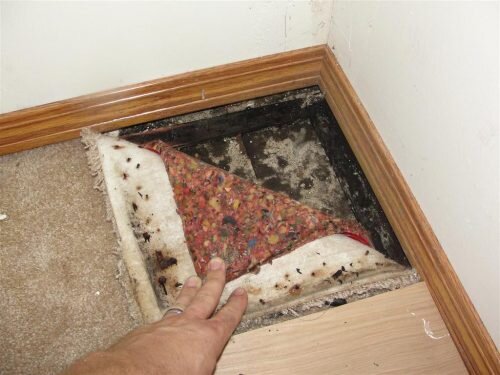
Visible mold is often just the tip of the iceberg. In South Merritt Island homes, mold frequently grows behind drywall, under flooring, inside attics, or within HVAC systems.
Many property owners first notice musty odors or a persistent damp feeling before seeing any mold. By the time mold becomes visible, it may already be widespread in hidden areas.
Myth: Bleach Kills Mold Permanently
Fact: Bleach only removes surface staining.
Bleach can make mold look like it’s gone, but it doesn’t penetrate porous materials like drywall, wood, or insulation. Mold roots can survive beneath the surface and regrow when moisture conditions return.
In humid coastal environments like South Merritt Island, this is why mold often “comes back” after being cleaned with bleach or household sprays.
Myth: Mold Is Always a Health Emergency
Fact: Mold is primarily a moisture problem.
While mold shouldn’t be ignored, not every mold issue is a crisis. Mold grows because moisture is present—not because a home is unsafe by default. Addressing the moisture source is what stops mold from spreading or returning.
Responsible mold professionals focus on identifying moisture problems and correcting them, not creating fear or panic.
Myth: Mold Only Grows in Bathrooms and Kitchens
Fact: Mold grows wherever moisture lingers.
Bathrooms and kitchens are common mold areas, but in South Merritt Island, mold often appears in:
- Attics from humid air intrusion
- Under flooring due to slab moisture
- Inside walls cooled by air conditioning
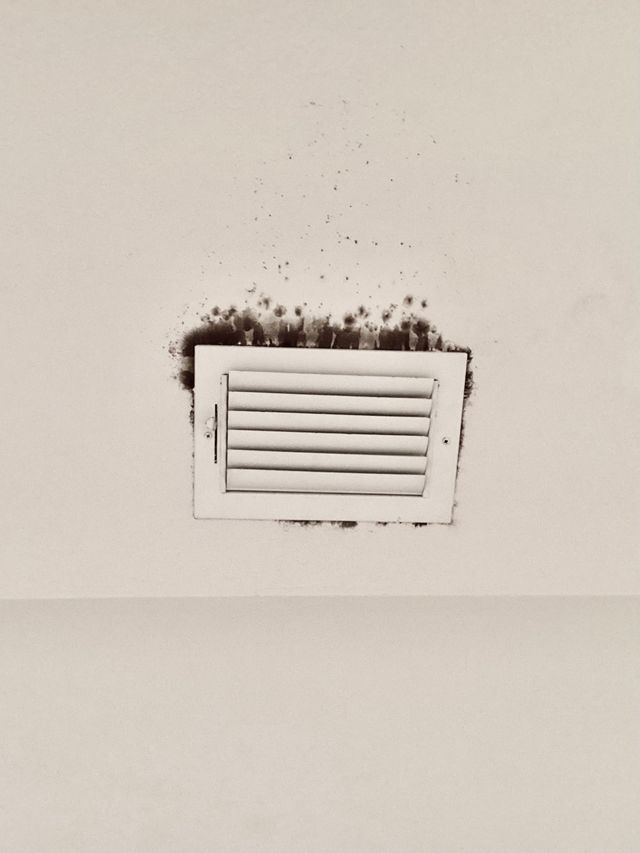
- Around HVAC vents and ductwork
- Laundry rooms and closets
Any area that stays damp—even briefly—can support mold growth.
Myth: A Dehumidifier Alone Solves Mold Problems
Fact: Dehumidifiers help, but they don’t fix everything.
Dehumidifiers can reduce indoor humidity, which is helpful in South Merritt Island homes. However, they don’t repair leaks, stop condensation, or dry moisture trapped inside walls or flooring.
Dehumidifiers are a tool, not a solution on their own. Mold problems almost always require identifying and correcting the specific moisture source.
Myth: Mold Test Kits Give Clear Answers
Fact: DIY mold tests often cause confusion.
Store-bought mold test kits frequently detect normal background mold that exists in all homes—especially in humid Florida climates. Without proper inspection, outdoor comparison samples, and professional interpretation, results can be misleading.
In many cases, these kits create unnecessary worry rather than useful answers.
Myth: Mold Removal Is the Same Everywhere
Fact: Local conditions matter a lot.
Mold behavior in South Merritt Island is influenced by coastal humidity, salt air, high water tables, and slab construction. What works in dry or inland climates may not work here.
Local experience matters because professionals familiar with South Merritt Island understand where moisture hides, how it moves through homes, and why mold behaves the way it does in this environment.
Myth: Mold Won’t Return Once It’s Removed
Fact: Mold returns if moisture isn’t controlled.
Mold doesn’t return by chance—it returns when moisture remains. If mold keeps coming back, it usually means the underlying moisture issue was never fully resolved.
Long-term mold control requires moisture management, proper removal, and prevention strategies tailored to the home.
Why These Myths Persist in South Merritt Island
Many mold myths persist because mold problems often seem random. In reality, they follow moisture patterns that aren’t always obvious.
South Merritt Island homes experience constant environmental pressure from humidity and nearby waterways. Without understanding how moisture behaves locally, it’s easy to misinterpret what’s really happening.
How Facts Lead to Better Decisions
When property owners understand the facts about mold, they’re better equipped to:
- Address moisture early
- Avoid ineffective DIY solutions
- Recognize when professional evaluation makes sense
- Prevent mold from recurring
Clear information leads to practical, calm decision-making.
Why Local Knowledge Makes a Difference
Local experience helps separate myth from fact quickly. A provider like Mold Removal Merritt Island understands the specific conditions affecting South Merritt Island homes and can explain mold issues clearly—without exaggeration or guesswork.
A Practical Takeaway for Property Owners
Mold myths often delay the right action. In South Merritt Island, mold is best handled by understanding moisture, identifying hidden issues, and addressing the real cause—not just what’s visible.
If you’re unsure whether something you’ve heard about mold is true, a professional inspection can provide clarity and help you move forward with confidence.
Images
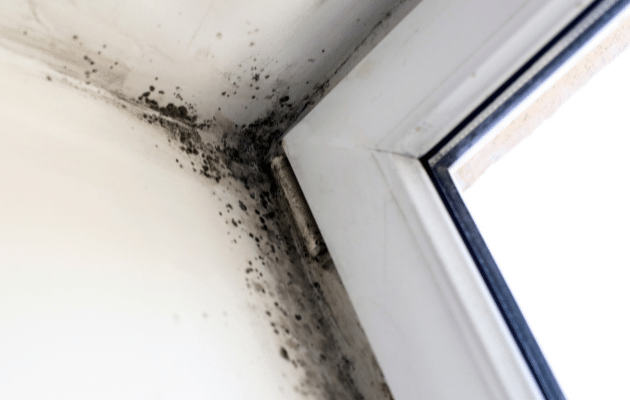
Mold Growth on Interior Wall in a Humid Florida Home

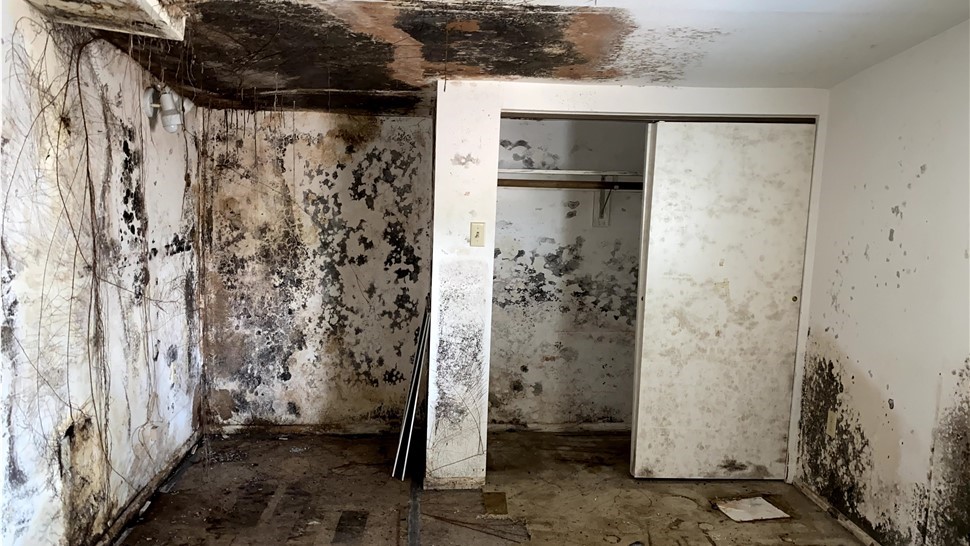
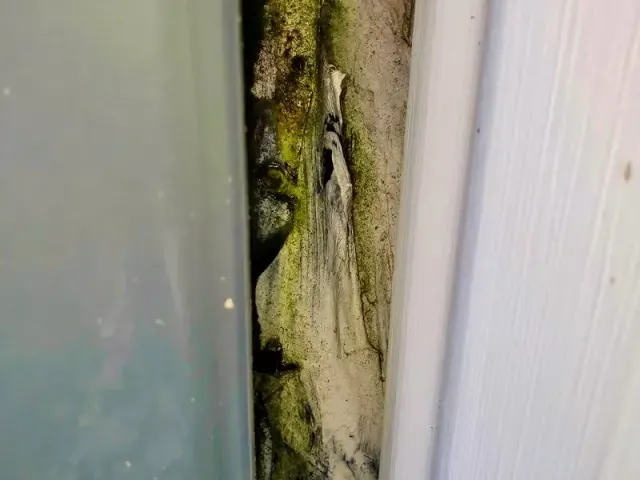
Hidden Mold Under Flooring in a Slab Home


Mold Near HVAC Vent Caused by Condensation