
Mold Myths and Facts in Banana River: What Merritt Island Property Owners Should Know
If you own a home near the Banana River, chances are you’ve heard a lot of advice about mold—some helpful, some outdated, and some flat-out wrong. In Merritt Island’s coastal environment, believing the wrong mold myths can cost homeowners thousands of dollars, lead to repeat mold problems, and even affect health and property value.
This guide breaks down the most common mold myths vs. the real facts, specifically for Banana River and Merritt Island property owners—so you can make smart decisions based on reality, not misinformation.
❌ Myth #1: Mold Only Grows After Flooding
✅ Fact: Mold Often Grows Without Any Flooding
In Banana River homes, high humidity alone is enough.
Facts to know:
- Mold can grow with no visible water damage
- Coastal humidity regularly stays high day and night
- Condensation on walls, floors, and HVAC systems feeds mold
- Many mold cases start with zero flooding or leaks
Flooding accelerates mold—but it’s not required.
❌ Myth #2: If You Can’t See Mold, You Don’t Have Mold
✅ Fact: Most Mold in Coastal Homes Is Hidden
In Merritt Island homes, mold commonly grows:
- Behind drywall and baseboards
- Under flooring on slab foundations
- Inside cabinets and closets
- Around HVAC systems and ductwork
Musty odors, allergy symptoms, or recurring issues are often the only early warning signs.
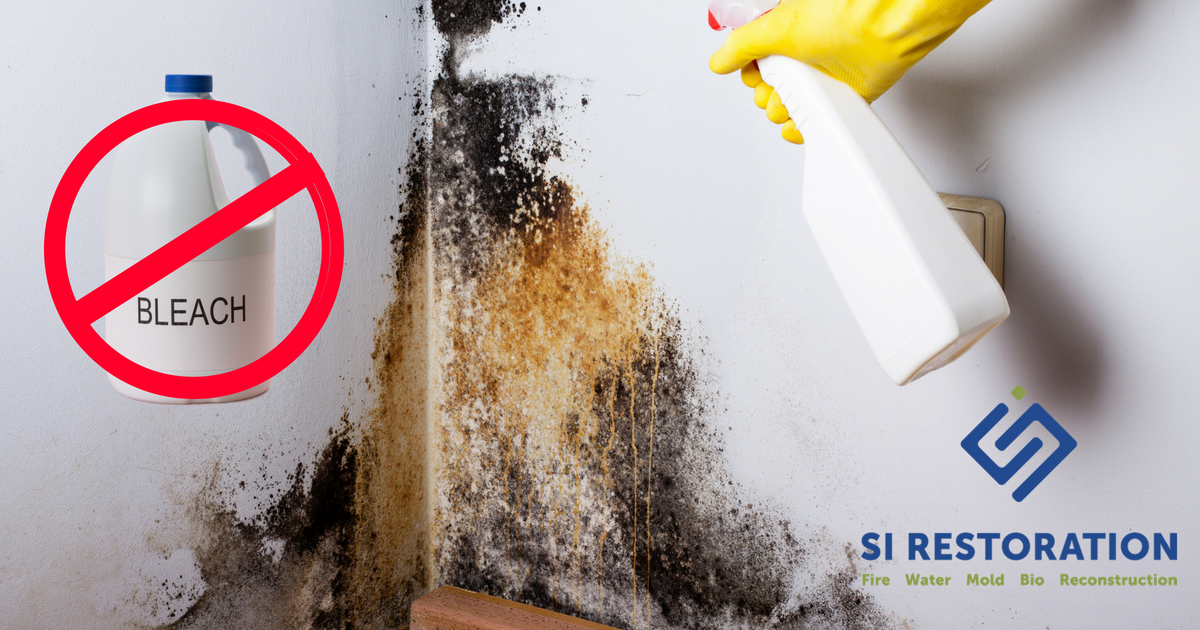
❌ Myth #3: Bleach Kills Mold Completely
✅ Fact: Bleach Usually Makes Mold Come Back Worse
Bleach:
- Removes surface staining
- Does not penetrate drywall, wood, or insulation
- Adds moisture to porous materials
In Banana River’s humid climate, bleach often feeds regrowth instead of stopping it.
❌ Myth #4: Mold Is Just a Cosmetic Problem
✅ Fact: Mold Is a Moisture and Air Quality Problem
Mold affects more than appearance.
Real impacts include:
- Indoor air quality degradation
- Allergy and respiratory symptoms
- Spread through HVAC systems
- Structural damage to materials
- Inspection and resale issues
Cosmetic fixes don’t address the real risk.
❌ Myth #5: New or Well-Maintained Homes Don’t Get Mold
✅ Fact: New Homes Can Be Just as Vulnerable
In Banana River areas:
- New construction often traps moisture
- Slab foundations release moisture upward
- Tight homes limit airflow
- HVAC systems may not dehumidify enough
Many new Merritt Island homes develop mold within the first year.
❌ Myth #6: Mold Will Go Away Once the Leak Is Fixed
✅ Fact: Fixing the Leak Doesn’t Remove Existing Mold
Stopping water helps—but:
- Mold may already be established in walls or floors
- Wet materials may not fully dry on their own
- Hidden growth can continue after repairs
Leak repair + drying + evaluation is the real solution.
❌ Myth #7: A Little Mold Is Normal in Florida
✅ Fact: Indoor Mold Growth Is Never “Normal”
While Florida has more mold pressure:
- Indoor mold growth means moisture is uncontrolled
- Musty odors are not a normal Florida smell
- Repeated mold indicates a building issue
Accepting mold as “normal” allows problems to escalate.
❌ Myth #8: DIY Cleaning Is Enough for Most Mold Problems
✅ Fact: DIY Cleaning Often Spreads Mold Indoors
DIY attempts often:
- Miss hidden mold
- Spread spores through the air
- Ignore moisture sources
- Leave roots inside porous materials
If mold returns, spreads, or affects air quality, DIY has already failed.
❌ Myth #9: Mold Testing Is Always Required
✅ Fact: Testing Is a Tool—Not Always Necessary
Mold testing is helpful when:
- Mold isn’t visible but symptoms exist
- Documentation is required (real estate, insurance)
But if mold and moisture are obvious, fixing the problem matters more than sampling it.
❌ Myth #10: Mold Problems Always Look Dramatic
✅ Fact: Most Mold Problems Start Subtly
Early signs often include:
- Musty or earthy odors
- Bubbling or peeling paint
- Warped baseboards or trim
- Allergy symptoms worse indoors
- Odors that return after cleaning
By the time mold looks “bad,” it’s usually been growing a long time.
🌊 Why Mold Myths Are Especially Dangerous Near the Banana River
Banana River homes face:
- Constant coastal humidity
- Salt air slowing evaporation
- Long AC runtimes creating condensation
- Slab foundations trapping moisture
These conditions make small misunderstandings turn into big problems fast.
🛠️ What Actually Works (The Real Facts That Matter)
To prevent mold long-term:
✔ Keep indoor humidity below 55% (50% ideal)
✔ Address condensation—not just leaks
✔ Maintain HVAC systems and drain lines
✔ Improve airflow in closets and low-use rooms
✔ Take musty odors seriously
✔ Inspect hidden areas after storms
✔ Fix moisture early—before cleaning mold
Moisture control always comes first.
📉 How Believing Mold Myths Affects Property Value
Homes with unresolved mold issues often face:
- Failed inspections
- Buyer hesitation
- Required remediation before sale
- Insurance complications
- Reduced resale value
Buyers don’t care what myth a seller believed—they care about results.
✅ Final Takeaway for Merritt Island Property Owners
In Banana River homes, mold problems aren’t caused by bad luck—they’re caused by bad information and delayed action.
Remember:
✔ Mold doesn’t need floods
✔ Bleach isn’t a solution
✔ Hidden mold is common
✔ Humidity is the real driver
✔ Recurring mold means moisture still exists
When you replace myths with facts, mold becomes manageable instead of mysterious.
