
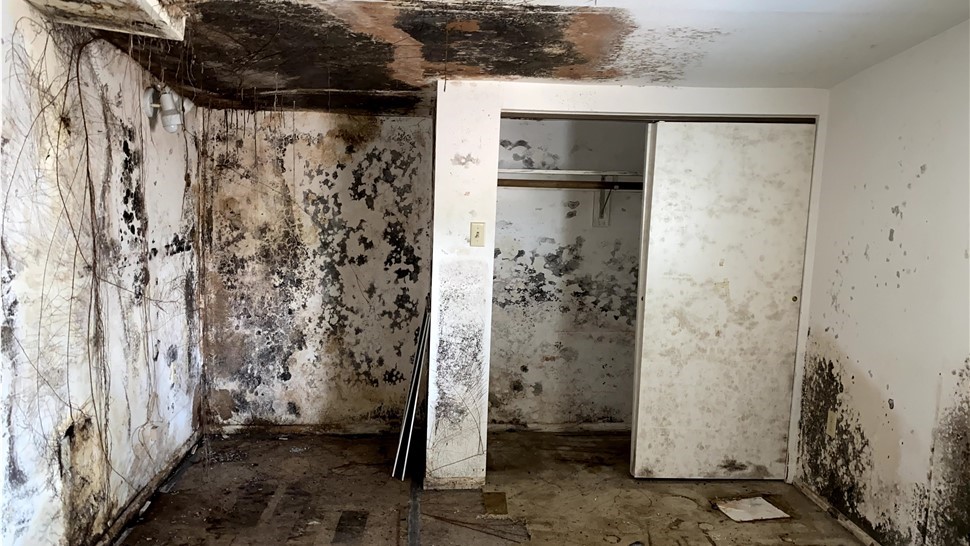
🌧️ Mold Issues After Heavy Rain in Merritt Island: What Property Owners Should Know
Heavy rain is a fact of life on Merritt Island—and so are the mold problems that often follow. Even when there’s no obvious flooding, prolonged rain can drive moisture into homes through tiny gaps, raise indoor humidity, and trigger mold growth within 24–48 hours. Many homeowners don’t realize there’s an issue until musty odors appear days or weeks later.
This guide explains why heavy rain leads to mold, where it hides, and what Merritt Island property owners should do to stop small moisture events from becoming costly remediation projects.
🌴 Why Heavy Rain Is a Bigger Mold Trigger on Merritt Island
Merritt Island’s environment magnifies rain-related risks:
- High baseline humidity before, during, and after storms
- Salt air that slows evaporation
- Wind-driven rain that bypasses seals and flashing
- Slab-on-grade construction that wicks moisture upward
- High water table that rises after prolonged rain
Because drying is slow, moisture lingers long enough for mold to take hold.
💧 How Heavy Rain Causes Mold (Without Flooding)
After extended rain, mold often develops through subtle pathways:
- Wind-driven rain enters around windows, doors, and roof penetrations
- Ground saturation pushes moisture up through slabs and lower walls
- Indoor humidity spikes above 55–60%
- Condensation forms on cool surfaces and inside HVAC systems
- Mold begins growing on damp materials within days
No standing water is required—humidity and condensation are enough.
🧱 Common Post-Rain Mold Hotspots
After heavy rain, inspect these high-risk areas:
- Lower drywall and baseboards
- Closets on exterior walls
- Under-sink cabinets
- Bathrooms and laundry rooms
- Attics (wet insulation, roof seepage)
- HVAC air handlers & drain pans
- Ductwork, especially in attics
- Garages and rooms above them
If mold appears low on walls or returns after cleaning, moisture from rain or groundwater is often involved.
👃 Early Warning Signs After Storms
Rain-related mold problems usually start quietly. Watch for:
- Musty or earthy odors appearing days after rain
- Odors stronger at night or when AC runs
- Bubbling or peeling paint
- Warped baseboards or trim
- Condensation that doesn’t fully dry
- Allergy or breathing symptoms indoors
Odors are often the first reliable clue.
🌬️ The HVAC–Rain Connection
After heavy rain, HVAC systems become critical control points.
Common issues include:
- Condensation buildup on coils and drain pans
- Clogged or slow drain lines
- Damp duct insulation in attics
- Oversized systems that cool without dehumidifying
When HVAC moisture isn’t managed, mold risk spreads house-wide.
🧪 Why Rain-Related Mold Is Often Missed
Homeowners frequently miss post-rain mold because:
- No obvious leaks are visible
- Damage is hidden behind walls or floors
- Odors are blamed on “Florida humidity”
- Cleaning improves appearance temporarily
By the time mold is visible, it may be well established.
🧽 Why Quick Cleaning After Rain Doesn’t Last
Surface cleaning fails long-term because:
- Moisture remains in materials
- Mold roots stay embedded in drywall or wood
- Spores spread during scrubbing
- Humidity stays elevated after storms
If mold returns after rain, moisture—not cleaning strength—is the issue.
🛠️ What to Do Immediately After Heavy Rain
Act fast—especially in the first 48 hours.
- Keep AC running to control humidity (don’t shut it off)
- Use dehumidifiers to keep indoor RH ≤55% (50% ideal)
- Check windows, doors, and ceilings for dampness
- Inspect HVAC drain lines and pans
- Vent bathrooms and laundry rooms
- Avoid blowing household fans into damp cavities
- Open closet doors to improve airflow
Speed and consistency prevent escalation.
🛑 When to Call a Professional After Rain
Seek professional help if:
- Musty odors persist after drying efforts
- Mold keeps returning after storms
- Multiple rooms show signs
- HVAC systems may be involved
- Moisture lasted longer than 48 hours
- Health symptoms worsen indoors
Rain-related mold is often systemic, not cosmetic.
📉 How Post-Rain Mold Affects Property Value
Unresolved issues after storms can:
- Fail inspections
- Trigger buyer concerns
- Require remediation before sale
- Reduce offers
- Increase insurance scrutiny
Documented moisture control and remediation protect value.
🌊 Why Merritt Island Needs Extra Vigilance After Rain
Compared to inland homes, Merritt Island properties:
- Dry more slowly
- Experience higher groundwater pressure
- Have longer mold growth windows
What works inland often isn’t enough here.
✅ Final Takeaway for Merritt Island Property Owners
After heavy rain on Merritt Island, mold risk rises—even without flooding.
Remember:
✔ Mold can start in 24–48 hours
✔ Humidity and condensation drive growth
✔ Odors are early warnings
✔ HVAC systems are key control points
✔ Fast drying beats repeated cleanup
With prompt humidity control and smart inspections after storms, rain-related mold is preventable—not inevitable.
If you want, I can provide a post-storm inspection checklist, HVAC rain-season tune-up guide, or a 48-hour moisture response plan tailored specifically for Merritt Island homes.
