
Mold Issues After Heavy Rain in Indian River: What Merritt Island Property Owners Should Know
Heavy rain is a normal part of life in Merritt Island, especially in neighborhoods near the Indian River. Summer storms, tropical systems, and prolonged rainy periods can bring large amounts of water in a short time. While most homes are built to handle Florida weather, even minor water intrusion or elevated humidity after storms can create conditions where mold begins to grow.
For property owners, understanding why mold problems often appear after heavy rain—and what to do about them—can help prevent long-term damage and costly repairs.
Why Heavy Rain Increases Mold Risk
Mold needs moisture to grow, and heavy rainfall creates multiple ways for moisture to enter or affect a home.
Common causes include:
- Roof leaks from wind-driven rain
- Window or door intrusion
- Saturated soil increasing humidity indoors
- Flooding or standing water in low areas
- Moisture trapped in attics or crawl spaces
Homes near the Indian River are particularly vulnerable because humidity is already high, and heavy rain can push indoor moisture levels even higher.
How Quickly Mold Can Develop After Rain
Many homeowners are surprised by how fast mold can begin growing. Under warm, humid conditions, mold spores can start colonizing damp materials within 24–48 hours.
Materials that absorb moisture quickly include:
- Drywall
- Carpet and padding
- Insulation
- Wood framing
- Ceiling tiles
If these materials remain damp for several days, mold growth becomes more likely.
Common Signs of Mold After Heavy Rain
After a storm or prolonged rainfall, property owners should watch for early warning signs.
These include:
- Musty odors appearing a few days after rain
- Water stains on ceilings or walls
- Peeling or bubbling paint
- Damp or humid indoor air
- Visible spotting on drywall or baseboards


These symptoms often indicate moisture intrusion that may not yet be fully visible.
Areas of the Home Most Affected After Heavy Rain
Certain parts of a home are more vulnerable to moisture after storms.
Common high-risk areas include:
- Attics with roof leaks or poor ventilation
- Exterior walls exposed to wind-driven rain
- Flooring near entryways or sliding doors
- HVAC systems and ductwork
- Closets or storage areas on exterior walls
Because these areas may not be checked regularly, mold can begin growing before homeowners realize there is a problem.
Hidden Moisture Problems After Storms
Not all storm-related moisture is obvious. Water can seep into materials and remain trapped long after surfaces appear dry.
Hidden moisture often occurs:
- Behind drywall
- Under laminate or tile flooring
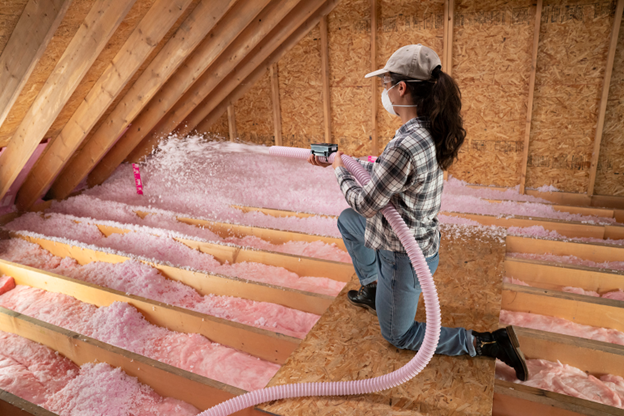
- Inside attic insulation
- Around air handlers or ductwork


This is why professional inspections often include moisture detection tools rather than relying only on visual signs.
Why Humidity Remains High After Heavy Rain
Even if a home does not leak, heavy rain can still increase indoor humidity.
This happens because:
- Outdoor humidity rises significantly after storms
- Air-conditioning systems must work harder to remove moisture
- Damp soil and vegetation release moisture into the air
- Homes remain closed during storms, reducing ventilation
High humidity alone can create conditions where mold begins growing on surfaces such as drywall, closets, and ceilings.
Why DIY Drying Often Falls Short
After heavy rain, many homeowners try to dry affected areas using fans or opening windows. While this may help in minor situations, it often does not remove moisture trapped in building materials.
DIY drying may be ineffective because:
- Moisture remains inside walls or insulation
- Humid outdoor air slows drying
- Household fans cannot remove deep moisture
- Mold may already be developing in hidden areas
Professional drying equipment and moisture detection tools are often needed after significant water exposure.
How Professional Mold Inspection Helps After Storms
A mold inspection after heavy rain focuses on identifying both visible and hidden moisture.
Typical steps include:
Visual inspection
Checking attics, ceilings, HVAC systems, and areas affected by leaks.
Moisture detection
Using meters and imaging tools to locate damp materials behind surfaces.
Evaluation of humidity levels
Determining whether indoor air conditions may support mold growth.
Professionals familiar with local conditions, such as Mold Removal Merritt Island, understand how storms and humidity affect homes near the Indian River and surrounding areas.
How Mold Removal Works When Growth Is Found
If mold has already begun growing, remediation focuses on removing contamination and correcting moisture problems.
Typical steps include:
- Containment of affected areas
- Removal of contaminated materials when necessary
- Cleaning and air filtration
- Drying and moisture correction
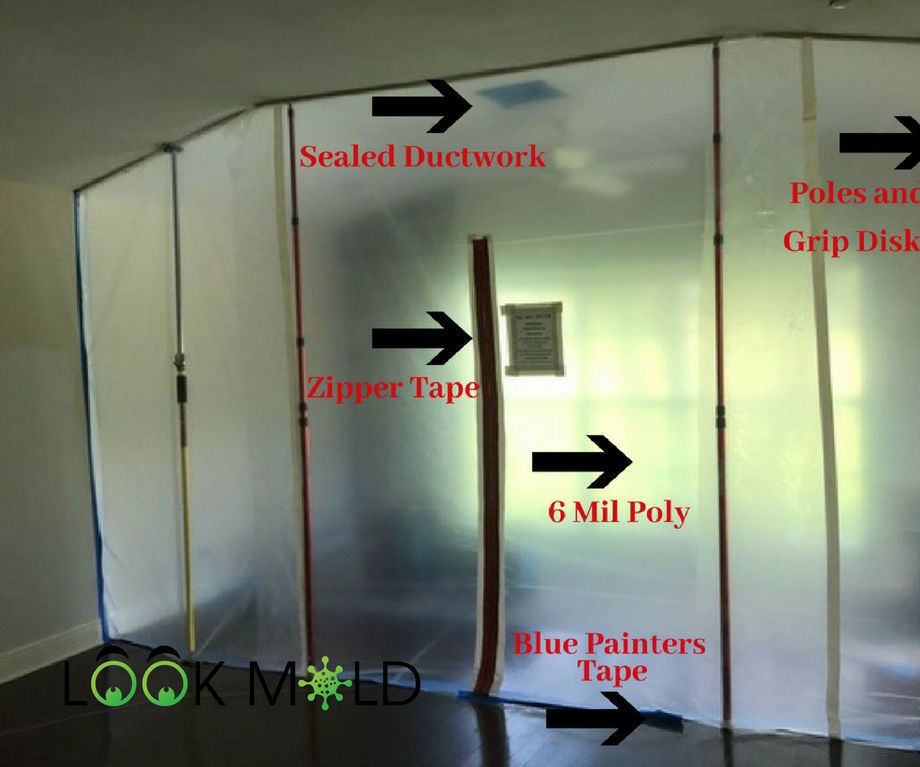
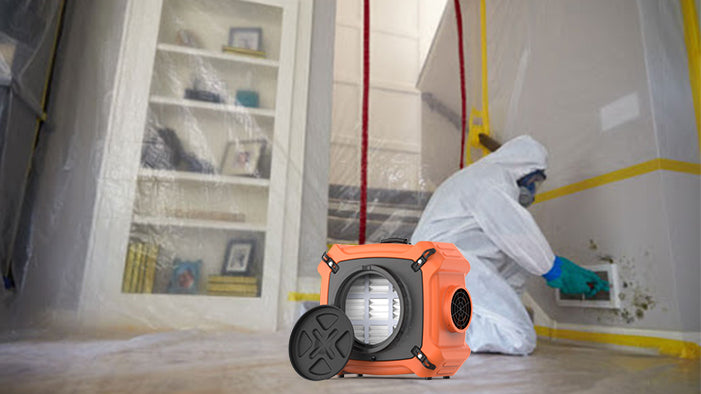

Correcting the moisture source is essential to prevent mold from returning.
How to Prevent Mold After Heavy Rain
Property owners in Merritt Island can reduce mold risk after storms by taking a few practical steps.
Helpful actions include:
- Inspecting ceilings and attics for leaks
- Running air conditioning or dehumidifiers to control humidity
- Drying wet materials within 24–48 hours
- Checking under sinks and around appliances
- Ensuring gutters and drainage systems are functioning properly
Routine inspections after storms are one of the most effective ways to catch problems early.
Why Local Experience Matters in Indian River Homes
Mold behavior in coastal Brevard County differs from inland regions. Homes near the Indian River often experience:
- Higher baseline humidity
- Salt air exposure affecting roofing and vents
- Continuous AC operation
- Frequent storm-related moisture intrusion
Professionals familiar with these conditions can identify problems more quickly and recommend solutions suited to local homes.
Local knowledge often helps prevent recurring moisture problems and ensures repairs are effective.
A Calm, Practical Next Step
Heavy rain is unavoidable in coastal Florida, but mold problems don’t have to follow. Monitoring your home after storms, addressing leaks quickly, and controlling humidity are the most effective ways to prevent mold growth.
If you notice musty odors, water stains, or persistent humidity after heavy rainfall, having the property evaluated can help determine whether moisture or mold is present. Early action often prevents larger repairs and protects your home’s structure and indoor air quality.
For property owners near the Indian River and throughout Merritt Island, staying proactive after storms is the best way to keep homes dry, comfortable, and well maintained year-round.
