
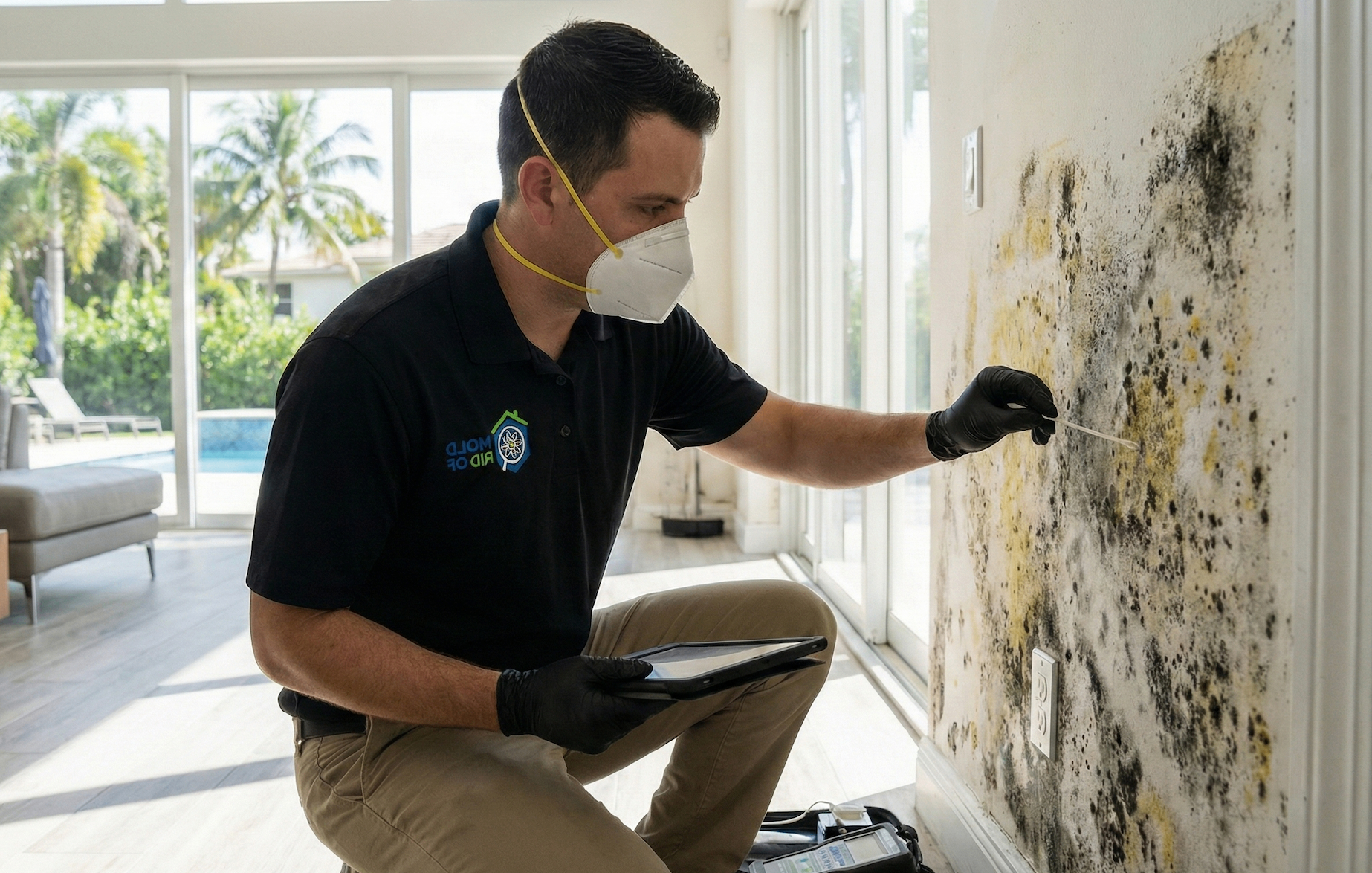
Mold Inspection Process Explained in South Merritt Island: What Merritt Island Property Owners Should Know
In South Merritt Island, mold problems often develop quietly. Homes near the Banana River, Indian River, and surrounding waterways deal with constant humidity, salt air, and frequent storms — all of which create ideal conditions for moisture to linger where it shouldn’t. Many property owners don’t realize there’s an issue until musty odors, staining, or recurring problems appear.
That’s where a professional mold inspection comes in. A proper inspection isn’t about guessing or jumping straight to remediation. It’s a methodical process designed to find moisture, identify mold conditions, and explain what’s really happening inside the home. Understanding how the mold inspection process works helps South Merritt Island homeowners know what to expect and why early evaluation matters.
What a Mold Inspection Really Is — and What It Is Not
A mold inspection is not just someone walking through a home and pointing at visible spots. In coastal South Merritt Island homes, mold is often hidden behind walls, under flooring, or inside HVAC systems.
A proper inspection focuses on:
- Finding moisture sources
- Identifying conditions that support mold growth
- Locating visible and hidden mold
- Determining whether testing is necessary
- Explaining risks and next steps clearly
Not every inspection leads to remediation. Many inspections simply confirm whether mold is present and whether preventive steps are enough.
Why Mold Inspections Are Especially Important in South Merritt Island
Local conditions make inspections particularly valuable in this part of Merritt Island.
Persistent coastal humidity
Even when homes look dry, indoor humidity often stays elevated, allowing mold to grow out of sight.
High water table
South Merritt Island’s low elevation allows moisture to migrate upward through slabs and lower walls, especially after heavy rain.
Storm exposure
Wind-driven rain enters small gaps around roofs, windows, and exterior walls without obvious leaks.
Salt air impact
Salt air degrades seals, flashing, and building materials faster, increasing moisture intrusion risk.
Older waterfront construction
Many homes were built before modern moisture-control practices, making hidden mold more common.
Step One: Initial Discussion and Property History
Every inspection starts with listening.
Inspectors typically ask about:
- Past leaks or flooding
- Storm-related water intrusion
- Musty odors or visible growth
- Recent renovations or plumbing work
- Rooms that feel damp or uncomfortable
In South Merritt Island homes, even small past events can be important clues. Moisture from years ago can still contribute to current mold problems.
Step Two: Visual Inspection of the Home
The visual inspection covers both obvious and commonly overlooked areas.
Inspectors examine:
- Walls and ceilings for staining or discoloration
- Baseboards and trim for swelling or warping
- Bathrooms and laundry areas
- Kitchens and plumbing fixtures
- Windows and exterior-facing walls
- Attics and crawl spaces (when accessible)
- HVAC vents, returns, and air handlers
Visible mold is noted, but the focus remains on why it’s there, not just what it looks like.
Step Three: Moisture Detection and Mapping
This step is critical in South Merritt Island inspections.
Using moisture meters and thermal tools, inspectors check:
- Drywall behind visible stains
- Flooring over slab foundations
- Exterior walls exposed to wind-driven rain
- Areas near AC components and ductwork
- Ceilings below bathrooms or attics
Moisture mapping helps identify hidden dampness that hasn’t yet produced visible mold but may soon.
Step Four: Determining Whether Mold Testing Is Needed
Not every inspection requires testing. A professional explains when testing makes sense.
Testing may be recommended when:
- Mold is suspected but not visible
- Indoor air quality concerns exist
- There’s a need to understand mold levels
- Post-remediation verification is required
Common testing methods include air samples and surface samples, but they’re used strategically, not automatically.
Step Five: Interpreting Findings in Plain Language
One of the most important parts of the inspection process is explanation.
A proper inspection includes:
- Clear identification of moisture sources
- Explanation of where mold is present or likely
- Discussion of risk areas
- Honest assessment of whether remediation is necessary
- Preventive recommendations when applicable
For South Merritt Island homeowners, this clarity helps avoid unnecessary work while ensuring real problems aren’t ignored.
Common Mold Findings in South Merritt Island Homes
Inspections in this area frequently uncover mold in places homeowners don’t expect.
- Behind drywall on exterior-facing walls
- Under tile or laminate flooring over concrete slabs
- In attics with poor ventilation
- Inside HVAC ductwork or air handlers
- Beneath cabinets near plumbing lines
- In crawl spaces affected by groundwater
Many of these issues show no surface signs until they’re well established.
Why DIY Checks Often Miss the Problem
Homeowners often try to self-check before calling a professional, but this has limits.
- Mold can grow where it’s not visible
- Moisture meters aren’t commonly available
- Surface cleaning hides deeper issues
- Odors may be dismissed as humidity
Professional inspections use tools and experience that go beyond visual checks.
What Happens After the Inspection
After the inspection, homeowners typically fall into one of three situations:
- No mold detected, prevention recommended
- Minor mold found, targeted correction advised
- Widespread or hidden mold requiring remediation
When remediation is necessary, Mold Removal Merritt Island approaches it with a focus on moisture correction and long-term prevention — especially important in South Merritt Island’s coastal environment.
Why Local South Merritt Island Experience Matters
Mold inspections aren’t one-size-fits-all. Local experience matters because professionals understand:
- Coastal humidity patterns
- Slab construction common in South Merritt Island
- Salt air corrosion issues
- Storm-driven moisture pathways
- Waterfront ventilation challenges
This knowledge leads to more accurate inspections and fewer surprises later.
A Calm, Informed Next Step
If your South Merritt Island home has musty odors, visible staining, recurring humidity issues, or a history of leaks or storms, a professional mold inspection can provide clarity. Early inspections often prevent small moisture issues from turning into extensive mold remediation projects.
Understanding the mold inspection process helps property owners make confident, informed decisions — and protect their homes in a coastal environment where moisture is always part of the equation.
