
Mold Inspection Process Explained in Banana River: What Merritt Island Property Owners Should Know
Homes near the Banana River offer waterfront living and steady coastal breezes, but they also face constant moisture pressure. High humidity, frequent rain, salt air exposure, and a high water table all increase the likelihood of mold developing — often without obvious warning signs. For many property owners, the uncertainty is not whether mold can occur, but how to confirm whether it is present and what to do next.
That’s where a proper mold inspection comes in. Understanding the mold inspection process helps homeowners, landlords, and property managers in Banana River know what to expect, why each step matters, and how inspections differ in coastal environments like Merritt Island.
Why Mold Inspections Matter in Banana River Homes
Mold in Banana River homes is rarely dramatic at first. It often develops quietly behind walls, under flooring, or inside HVAC systems where moisture lingers. Because humidity remains high year-round, materials dry slowly, allowing mold to grow without visible signs.
A mold inspection is not about alarm or assumptions. It is about gathering accurate information. Inspections help property owners understand whether mold is present, where moisture is coming from, and how conditions inside the home may allow mold to develop or return.
In a coastal area like Banana River, inspections are especially valuable because moisture problems are often subtle and ongoing rather than tied to a single event.
When Property Owners Typically Request an Inspection
Many Banana River property owners seek mold inspections after noticing musty odors, recurring humidity issues, or visible staining that keeps returning. Others schedule inspections after storms, plumbing leaks, roof repairs, or when buying or selling a property.
Rental property owners often request inspections when tenants report odors or discomfort, even if no visible mold is present. In waterfront homes, inspections are also common after long periods of high humidity or when HVAC systems struggle to keep moisture under control.
The inspection process adapts to the situation rather than following a one-size-fits-all checklist.
Step One: Initial Discussion and History Review
A proper mold inspection starts with understanding the property’s history. This includes recent storms, past leaks, renovations, HVAC issues, and any previous mold concerns.
In Banana River homes, inspectors pay close attention to storm exposure, slab foundation conditions, and proximity to water. This background information helps identify likely moisture pathways before the physical inspection even begins.
Property owners are encouraged to share observations such as odors, damp areas, or changes noticed after rain or humidity spikes.
Step Two: Visual Inspection of Living Areas
The visual inspection covers interior spaces, focusing on areas where moisture commonly affects homes near the Banana River. Inspectors look for discoloration, staining, peeling paint, bubbling drywall, or visible mold growth.
Closets, bathrooms, laundry rooms, and rooms along exterior walls receive special attention. These areas often have limited airflow and higher moisture retention.
Importantly, a visual inspection is not limited to obvious mold. Subtle changes in materials often provide early clues about moisture problems.
Step Three: Attic Inspection
Attics are one of the most common mold locations in coastal homes. Warm, humid air rises into attic spaces and condenses on roof decking when ventilation is inadequate.
In Banana River homes, attic inspections focus on roof decking, insulation condition, ventilation pathways, and signs of past or current roof leaks. Even minor moisture in an attic can lead to mold if drying is slow.
Many mold problems are first discovered in attics, even when living spaces appear unaffected.
Step Four: HVAC and Mechanical Areas
HVAC systems play a major role in moisture control. Inspectors examine air handlers, drain pans, condensate lines, ductwork, and nearby materials.
In coastal environments, salt air can accelerate corrosion, increasing condensation problems. Clogged drain lines or damaged insulation are common findings in Banana River homes.
Musty odors, staining near vents, or moisture around air handlers often point to HVAC-related mold risks.
Step Five: Moisture Measurements
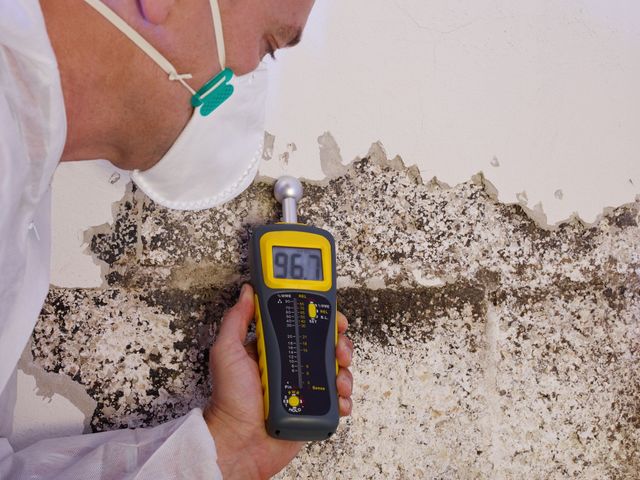
One of the most important parts of a mold inspection is moisture measurement. Moisture meters are used to check drywall, flooring, ceilings, and other materials for elevated moisture levels.
Materials may look dry on the surface while still holding moisture internally. In Banana River homes, this is especially common after storms or plumbing leaks.
Moisture readings help identify hidden problem areas and guide decisions about further investigation or remediation.
Step Six: Evaluating Slab and Flooring Areas
Most homes near the Banana River are built on slab foundations. Ground moisture can migrate upward after heavy rain or during periods of high water tables.
Inspectors evaluate flooring transitions, baseboards, and lower wall sections for signs of moisture intrusion. Warping, staining, or elevated moisture readings near floors often indicate slab-related issues.
This step is critical because mold beneath flooring often goes unnoticed until it becomes widespread.
Step Seven: Air and Surface Sampling (When Appropriate)
Mold sampling is not always required, but it can be useful in certain situations. Sampling may be recommended when mold is suspected but not visible, when odors persist without a clear source, or when documentation is needed.
Air samples help assess whether mold-related particles are elevated indoors compared to outdoor levels. Surface samples can help identify growth on specific materials.
In Banana River homes, sampling is used strategically rather than routinely, based on inspection findings.
Step Eight: Interpreting Findings Clearly
A quality mold inspection does not overwhelm property owners with technical jargon. Findings should be explained in clear, practical terms.
This includes identifying moisture sources, explaining where mold is likely present, and outlining the severity of conditions. The goal is understanding, not fear.
Inspectors also explain whether conditions are active, historical, or environmental in nature.
Step Nine: Recommendations Focused on Prevention
Inspection results typically include recommendations tailored to the property. These may involve moisture control improvements, ventilation changes, HVAC adjustments, or targeted remediation.
In Banana River homes, recommendations often focus on managing humidity, improving airflow, and addressing areas that dry slowly due to coastal conditions.
Preventive guidance is just as important as addressing existing mold.
Why Mold Inspections Differ in Coastal Areas
Mold inspections in Banana River are not the same as inspections inland. Coastal humidity, salt air exposure, slab foundations, and storm patterns all affect how moisture behaves.
Inspectors familiar with Merritt Island understand these patterns and know where to look beyond obvious areas. This local knowledge reduces missed issues and repeat problems.
Why DIY Inspections Often Miss Key Issues
Property owners can spot visible mold, but many problems are hidden. DIY inspections rarely include moisture measurements inside walls, attics, or flooring systems.
In humid environments, mold often develops where it cannot be seen. Professional inspections focus on moisture behavior, not just surface appearance.
This difference is why professional inspections provide clarity that DIY checks cannot.
How Inspections Support Smarter Decisions
A mold inspection gives property owners information they can act on confidently. Whether the next step is monitoring, moisture correction, or remediation, decisions are based on evidence rather than assumptions.
For landlords and property managers, inspections also provide documentation and peace of mind.
Why Local Experience Matters
Understanding mold in Banana River homes requires familiarity with local climate, construction styles, and moisture patterns. Inspectors without coastal experience may overlook important factors.
Mold Removal Merritt Island works with property owners who need inspections grounded in real Merritt Island conditions, not generic guidelines.
A Clear, Practical Takeaway for Property Owners
A mold inspection is not about confirming the worst-case scenario. It is about understanding what is happening inside a home and why.
For Banana River property owners, inspections provide clarity in an environment where moisture is constant and mold can develop quietly. Early inspection helps prevent small issues from becoming major projects and supports long-term property protection.
When moisture behavior is understood, mold becomes a manageable maintenance issue rather than an ongoing mystery.
