
Mold Inspection in Brevard County: What Merritt Island Property Owners Should Know
Mold is one of the most common indoor environmental issues homeowners face in Brevard County. In coastal communities like Merritt Island, where humidity, storms, and waterfront conditions are part of everyday life, moisture problems can develop quickly. When moisture lingers, mold often follows—sometimes in places homeowners never see.
A mold inspection is often the first and most important step in identifying potential problems. Whether you’ve noticed musty odors, visible staining, or simply want peace of mind, understanding how mold inspections work helps you protect your home and avoid larger repairs later.
What a Mold Inspection Involves
A mold inspection is a detailed evaluation of a property to determine:
- Whether mold is present
- Where moisture is coming from
- How far any growth may have spread
- What steps may be needed to correct the issue
Inspections are not just about finding visible mold. In many cases, the real problem is hidden moisture behind walls, under flooring, or inside HVAC systems.
Why Mold Inspections Are Important in Brevard County
Homes throughout Brevard County face environmental conditions that make mold more likely than in many other regions.
High coastal humidity
Moist air from waterways such as the Banana River and Indian River keeps indoor humidity elevated year-round.
Frequent storms and heavy rain
Roof leaks, window intrusion, and damp attics are common after severe weather.
Continuous air-conditioning use
Air-conditioning systems help remove humidity but can also produce condensation in ducts and drain lines.
Waterfront conditions
Homes near canals and lagoons often dry more slowly after moisture exposure.
Because these conditions are common, periodic mold inspections are a practical part of home maintenance.
Common Areas Inspectors Check First
During a mold inspection, certain parts of a home receive special attention because they are more vulnerable to moisture.
These areas include:
- Attics and roof decking
- HVAC air handlers and ducts
- Bathrooms and kitchens
- Closets and storage areas
- Under sinks and around appliances

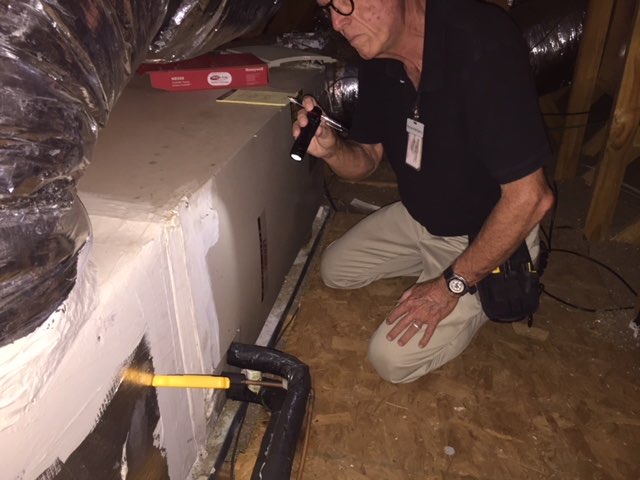
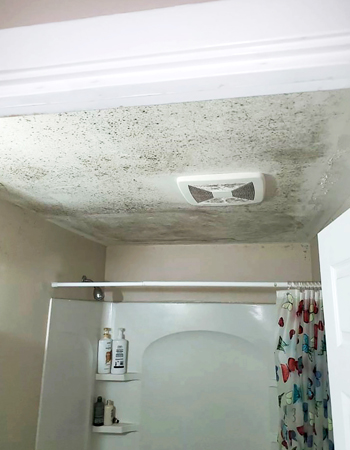
These locations often show early signs of moisture even before mold becomes widespread.
Signs That a Mold Inspection May Be Needed
Homeowners often schedule inspections after noticing warning signs such as:
- Musty or damp odors
- Water stains on ceilings or walls
- Peeling or bubbling paint
- Persistent humidity indoors
- Visible spotting or discoloration
Even when mold is not visible, odors or moisture issues can indicate that an inspection is worthwhile.
Hidden Areas Where Mold Often Develops
One of the biggest challenges with mold is that it frequently develops in concealed spaces.
Common hidden locations include:
- Behind drywall after plumbing leaks
- Under flooring in kitchens or bathrooms
- Inside attic insulation
- Around air handlers and ductwork


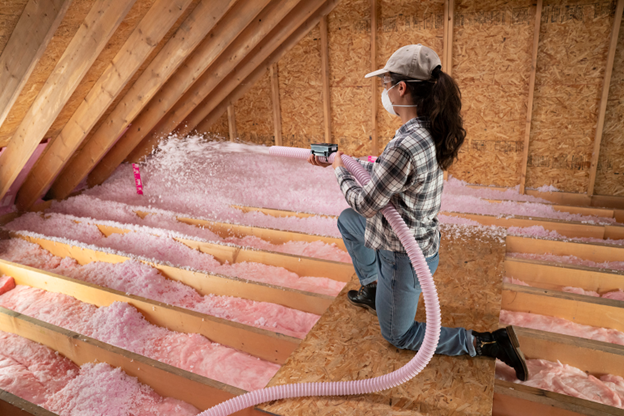
Because these areas trap moisture, mold can spread quietly before becoming noticeable.
How Moisture Detection Works
Professional mold inspections often involve specialized tools designed to locate moisture behind surfaces.
Inspectors may use:
- Moisture meters to check walls and ceilings
- Thermal imaging cameras to detect temperature differences linked to moisture
- Hygrometers to measure indoor humidity levels
These tools help identify damp materials before mold becomes visible, allowing problems to be addressed early.
When Mold Testing Is Recommended
Not every mold inspection requires testing, but sampling may be useful in certain situations.
Testing may be recommended when:
- Mold is suspected but not visible
- Indoor air quality concerns are present
- Verification is needed after remediation
Laboratory analysis can provide objective information about indoor conditions and help guide next steps.
Why DIY Inspections Often Miss Problems
Homeowners may notice visible stains or odors, but hidden moisture is difficult to detect without specialized equipment.
DIY inspections may miss:
- Damp insulation in attics
- Moisture inside walls
- Condensation inside ductwork
- Early mold growth behind surfaces
Professional inspections provide a more complete picture of the home’s condition.
What Happens If Mold Is Found
If mold is identified, the next step is determining the extent of the issue and correcting the moisture source.
Typical remediation steps may include:
- Containment of affected areas
- Air filtration and cleaning
- Removal of contaminated materials when necessary
- Repair of leaks or humidity problems
- Drying and monitoring
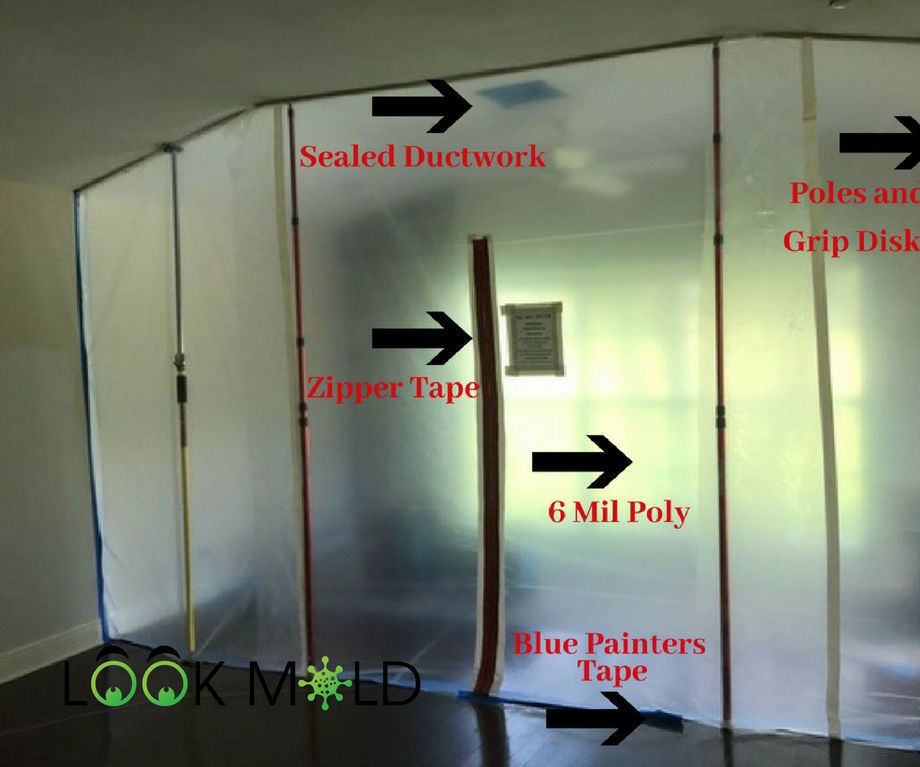
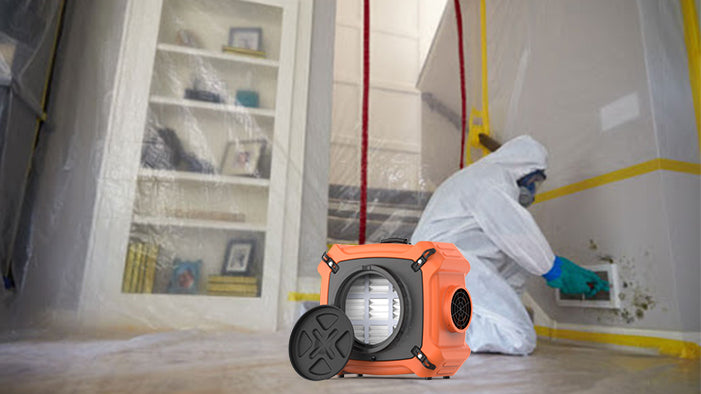

Correcting moisture sources is essential to prevent mold from returning.
Professionals familiar with local conditions, such as Mold Removal Merritt Island, understand common moisture patterns in Brevard County homes and can help identify problems accurately.
Preventing Mold Between Inspections
Preventive maintenance is one of the most effective ways to reduce mold risks.
Homeowners can help prevent problems by:
- Keeping indoor humidity between 45–55%
- Servicing HVAC systems regularly
- Inspecting roofs and attics after storms
- Repairing plumbing leaks promptly
- Using exhaust fans in kitchens and bathrooms
- Monitoring closets and storage areas
Routine inspections often prevent small issues from becoming major repairs.
The Importance of Routine Inspections
Homes in coastal environments benefit from periodic checks of high-risk areas.
Helpful inspection habits include:
- Looking for stains on ceilings or walls
- Checking under sinks and around appliances
- Inspecting attic insulation after heavy rain
- Monitoring humidity levels indoors
These simple steps often catch small issues before they become serious problems.
Why Local Experience Matters in Brevard County
Mold behavior in coastal Brevard County differs from inland regions. Homes in Merritt Island and nearby communities often experience:
- Higher baseline humidity
- Salt air exposure affecting building materials
- Continuous AC operation
- Storm-related moisture intrusion
Professionals familiar with these local conditions can identify moisture sources quickly and recommend solutions suited to coastal homes.
Local knowledge often makes a significant difference in preventing recurring mold problems.
A Calm, Practical Next Step
Mold inspections are a practical way to protect homes, indoor air quality, and long-term property value. Most mold problems begin with moisture, and identifying that moisture early can prevent significant damage and costly repairs.
If you notice musty odors, ceiling stains, or persistent humidity in your home, having the property evaluated can help determine whether mold is present and what steps may be needed.
For homeowners in Merritt Island and throughout Brevard County, proactive inspections and routine maintenance remain the most reliable ways to keep homes dry, comfortable, and well maintained year-round.
