
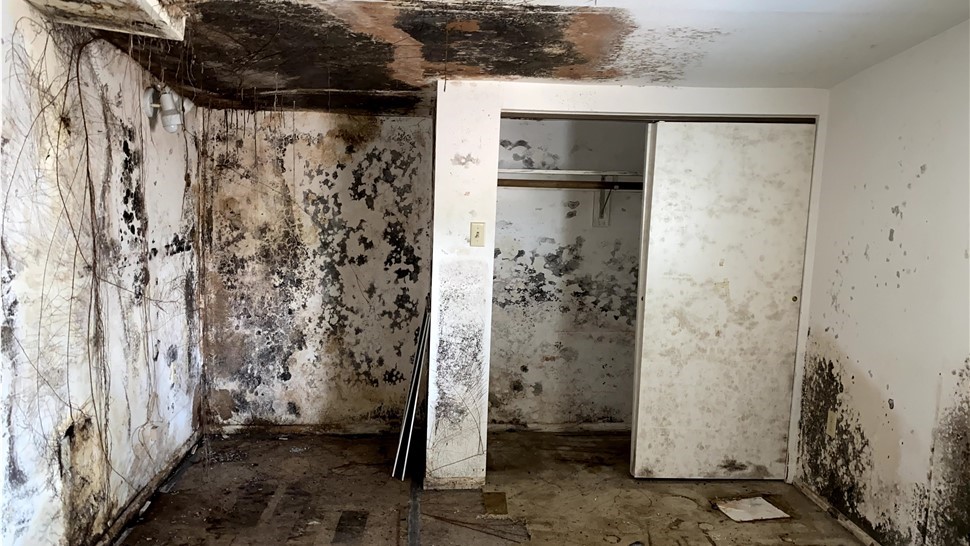
Mold in Waterfront Homes in Merritt Island: What Merritt Island Property Owners Should Know
Living on the water in Merritt Island is hard to beat. Waking up near the Banana River, enjoying the breeze off Sykes Creek, or watching sunsets over the Indian River — that’s why many homeowners choose waterfront properties here.
But coastal living comes with one consistent challenge: moisture.
And where moisture lingers, mold can follow.
If you own a waterfront home in North Merritt Island, South Merritt Island, or anywhere along our lagoon systems, understanding how mold behaves in this environment isn’t optional — it’s part of protecting your investment.
Let’s break it down clearly and calmly.
Why Waterfront Homes Face Higher Mold Risk
Waterfront homes are exposed to environmental conditions that inland homes simply don’t experience at the same intensity.
In Merritt Island, those include:
- Persistent lagoon humidity
- Salt air exposure
- Higher water tables
- Wind-driven rain during storms
- Nearly year-round AC operation
Even when there’s no visible leak, the surrounding air often carries elevated moisture levels.
Over time, that moisture finds its way into:
- Attics
- Wall cavities
- Crawl spaces
- HVAC systems
- Around windows and sliding glass doors
Waterfront living isn’t the problem — unmanaged moisture is.
How Mold Develops in Merritt Island Waterfront Properties
Mold doesn’t require flooding. It just needs:
- Moisture
- Organic material (drywall, wood, insulation)
- Limited airflow
In waterfront homes, moisture can enter through:
- Condensation buildup
- Roof flashing corrosion from salt air
- Small storm-driven water intrusions
- Slab moisture migration
- Poor attic ventilation
I’ve seen homes near Sykes Creek where attic sheathing developed mold simply from high humidity and restricted airflow — no major leak involved.
It happens quietly.
The Role of Salt Air
Salt air isn’t just tough on boats — it
impacts homes too.
In Merritt Island waterfront areas, salt air can:
- Corrode roof flashing
- Degrade window seals
- Rust AC components
- Compromise exterior fasteners
When flashing or seals weaken, small amounts of water intrusion can occur during heavy rains. That moisture may dry on the surface but remain trapped behind walls or insulation.
That’s often where hidden mold begins.
Attics: A Common Waterfront Trouble Spot
Attics in waterfront homes experience extreme heat combined with high ambient humidity.
Common attic mold contributors include:
- Blocked soffit vents
- Inadequate ridge ventilation
- Bathroom fans venting into attic space
- Poor insulation airflow balance
In North Merritt Island homes especially, I’ve seen attic mold form simply because humid air had nowhere to escape.
Annual attic inspections are one of the most overlooked but effective prevention steps.
Crawl Spaces and Slab Foundations
Many waterfront homes near t
he Banana River or Indian River sit on slabs. Others may have crawl spaces closer to older construction areas.
High water tables in Merritt Island increase the likelihood of:
- Subfloor moisture
- Crawl space humidity
- Vapor intrusion
Signs of slab or crawl space moisture issues:
- Warped flooring
- Musty smells without visible mold
- Swollen baseboards
- Persistent damp air indoors
Water doesn’t have to be visible to cause problems.
Moisture detection tools during professional inspections help identify early risk before mold spreads.
HVAC Systems in Waterfront Homes
Air conditioning systems work harder in waterfront environments.
They cool.
They dehumidify.
They run constantly.
If they’re not maintained properly, they can become moisture contributors instead of moisture controllers.
Common AC-related mold risks include:
- Clogged condensate drain lines
- Sweating ductwork
- Poor airflow
- Dirty evaporator coils
Waterfront homes should have HVAC systems inspected at least twice per year.
Musty smells when the AC turns on are never something to ignore.
Storms and Flooding
Merritt Island is no stranger to
tropical systems and hurricanes.
Waterfront homes face elevated risk from:
- Storm surge
- Wind-driven rain
- Minor flooding
- Roof damage
Even if water recedes quickly, residu
al moisture inside walls or insulation can linger.
Mold can begin developing within 48–72 hours under the right conditions.
After major storms, it’s wise to:
- Inspect ceilings and attic areas
- Check around windows and sliding doors
- Evaluate baseboards along exterior walls
- Assess crawl spaces
Quick action makes a major difference.
Signs Mold May Already Be Present
Property owners often notice:
- Persistent musty odors
- Dark spots near vents or windows
- Ceiling staining
- Peeling paint
- Increased indoor allergy symptoms
But mold doesn’t always announce itself clearly.
Hidden mold behind drywall or under flooring may go undetected without proper inspection tools.
Why DIY Mold Removal Often Fails
Waterfront homeowners sometimes
try:
- Bleach on visible spots
- Store-bought sprays
- Surface scrubbing
The problem is that DIY approach
es rarely address:
- Moisture sources
- Hidden growth
- Spore spread
- Ventilation issues
Bleach doesn’t correct humidity.
Sprays don’t fix drainage problems.
Without addressing the root c
ause, mold often returns.
Professional Mold Inspection and Remediation
When mold is suspected, proper evaluation includes:
- Detailed visual inspection
- Moisture detection
- Thermal imaging
- Air or surface sampling (when appropriate)
If remediation is needed, proper process involves:
- Containment to prevent spread
- Safe removal of affected materials
- Drying and dehumidification
- Correction of the moisture source
Companies like Mold Removal Merritt Island understand the specific coastal conditions that influence mold behavior in waterfront properties.
Local experience matters — especially when working around lagoon humidity and salt air exposure.
Prevention Strategies for Waterfront Homeowners
Prevention is practical and manageable when approached consistently.
Focus on Humidity Control
Keep indoor humidity between 45–55%.
Use:
- Properly maintained AC systems
- Dehumidifiers in problem areas
- Exhaust fans vented outdoors
Maintain Exterior Com
ponents
- Inspect roof flashing annually
- Check window and door seals
- Repair cracks promptly
Improve Ventilation
- Ensure attic airflow is balanced
- Confirm bathroom fans vent outside
- Keep soffit vents clear
Post-Storm Inspections
After heavy rain or hurricanes:
- Check ceilings and walls
- Monitor for new odors
- Inspect crawl spaces
Small issues are easier to correct early.
Why Local Merritt Island Knowledge Matters
Waterfront homes near Sykes Creek behave differently than inland properties in Brevard County.
High water tables, lagoon humidity, and salt exposure create unique conditions.
A local professional understa
nds:
- Which areas commonly trap moisture
- How coastal construction performs over time
- Where mold is most likely to develop
That insight leads to more accurate evaluations and smarter prevention strategies.
A Calm, Practical Next Step
Owning a waterfront home in Merritt Island is a privilege — but it requires proactive maintenance.
Mold doesn’t have to be part of the experience.
With consistent humidity control, routine inspections, and attention after storms, most mold problems can be prevented or addressed early.
If something feels off — whether it’s an odor, visible staining, or unexplained moisture — a professional inspection provides clarity.
Waterfront living should feel comfortable and healthy, not uncertain.
