
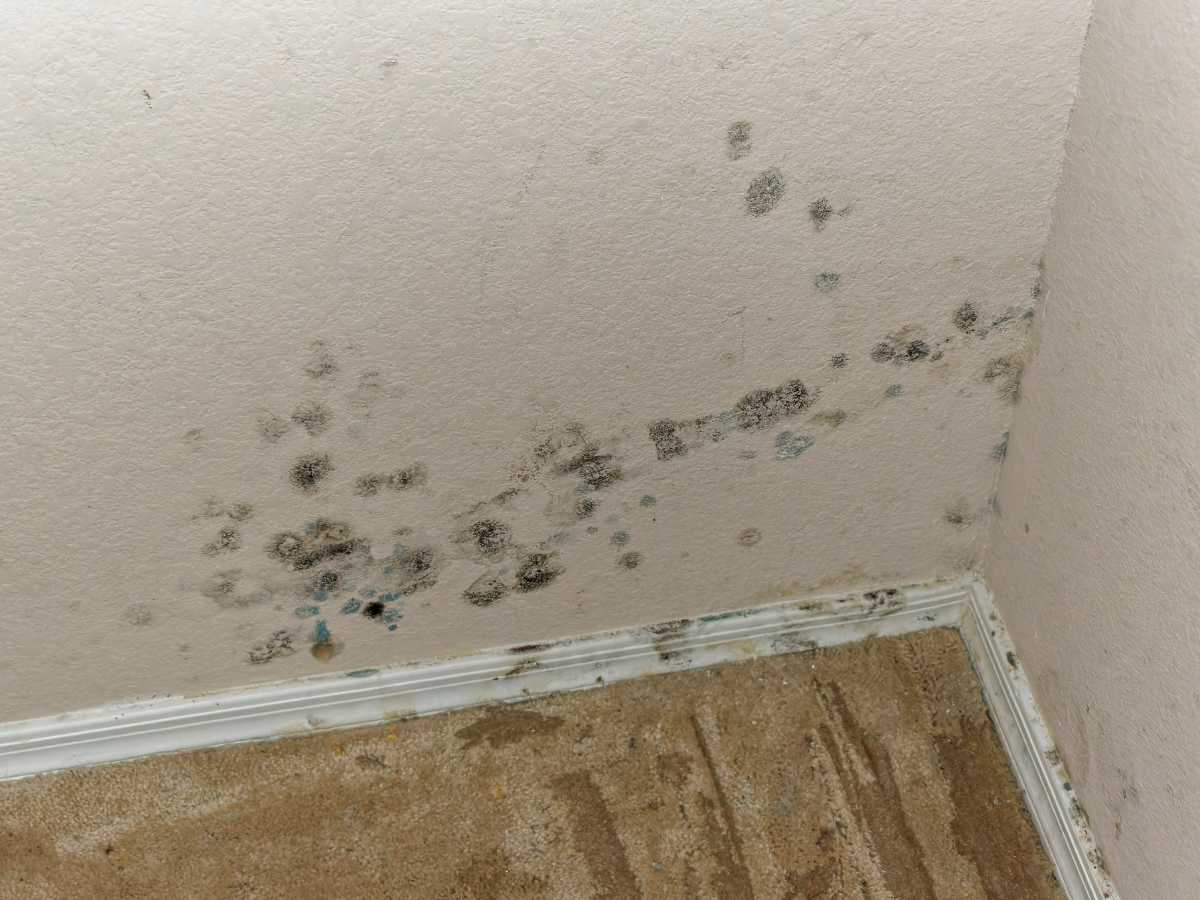
Mold in Waterfront Homes in Merritt Island: What Merritt Island Property Owners Should Know
Mold is a constant risk for waterfront homes in Merritt Island, where proximity to canals, rivers, and lagoons means higher humidity, salt air, and frequent moisture exposure. While waterfront living offers beautiful views, it also creates unique conditions that allow mold to grow faster—and often in hidden areas—if moisture isn’t carefully controlled.
For Merritt Island property owners, understanding why waterfront homes are more vulnerable to mold and how to manage that risk is essential for protecting property value, indoor air quality, and long-term structural integrity.
🧠 Why Waterfront Homes in Merritt Island Are More Mold-Prone
Living near the water changes how moisture behaves inside a home.
🌊 Constant Humidity & Salt Air
Waterfront properties experience elevated humidity day and night. Moist air continuously enters the home through:
- Doors and windows
- Ventilation systems
- Small gaps in exterior walls
When that humid air meets air-conditioned interiors, condensation forms inside walls, ceilings, and HVAC systems—creating ideal mold conditions.
💧 Groundwater & Moisture Intrusion
Homes near canals or lagoons often sit closer to the water table. Moisture can migrate into:
- Slab foundations
- Crawl spaces
- Subfloors and walls
Even without visible flooding, this constant moisture pressure supports mold growth.
🌬️ Wind-Driven Rain & Storm Exposure
Waterfront homes are more exposed during storms. Wind-driven rain can penetrate:
- Roof edges and flashing
- Windows and sliding doors
- Exterior wall joints
Small, repeated intrusions are enough to sustain mold over time.
📈 Why Mold in Waterfront Homes Is a Serious Issue
Mold problems in waterfront homes tend to spread quickly and widely.
😷 Health Concerns
Mold exposure may cause:
- Chronic coughing or congestion
- Headaches or fatigue
- Eye and skin irritation
- Worsening asthma or allergy symptoms
Because waterfront homes often rely heavily on HVAC systems, mold spores can circulate throughout the entire house.
🏚 Structural & Material Damage
Over time, mold can damage:
- Drywall and insulation
- Wood framing and subfloors
- Flooring and cabinetry
Salt air can also accelerate deterioration of materials already weakened by moisture.
📉 Property Value & Rental Impact
Waterfront properties are high-value assets. Mold issues can lead to:
- Failed inspections
- Delayed real estate transactions
- Tenant complaints or vacancies
- Reduced resale value
Early detection protects both investment and reputation.
🔍 Common Areas Where Mold Develops in Waterfront Homes
Mold often grows where moisture is least expected.
🚩 High-Risk Locations
- Behind exterior-facing walls
- Under flooring in slab homes
- Inside HVAC systems and ductwork
- Crawl spaces and attics
- Bathrooms and kitchens
- Under sinks and around plumbing
Many of these areas hide mold until damage or odors appear.
🧪 How Mold Is Detected in Waterfront Homes
Because mold is often hidden, professional evaluation is important.
🔎 Mold Inspection
A comprehensive inspection may include:
- Moisture readings in walls and floors
- Thermal imaging to detect damp areas
- Inspection of HVAC systems, attics, and crawl spaces
🧫 Mold Testing
Testing may involve:
- Air sampling to measure airborne spores
- Surface sampling from suspected areas
Results help determine severity and guide remediation decisions.
🧼 How Mold in Waterfront Homes Is Properly Addressed
Effective mold control requires both removal and moisture management.
🧰 Professional Remediation May Include:
- Containment to prevent spore spread
- Removal of contaminated materials
- HEPA air filtration
- Antimicrobial treatment
- Repair of leaks or moisture entry points
- Long-term humidity control solutions
Cleaning visible mold alone is rarely enough in waterfront environments.
🛠 Preventing Mold in Merritt Island Waterfront Homes
Prevention is the most cost-effective strategy.
✅ Control Indoor Humidity
- Maintain 30–50% indoor humidity
- Use whole-home or portable dehumidifiers
- Keep HVAC systems properly sized and maintained
✅ Seal & Protect the Home
- Maintain roof flashing and seals
- Inspect windows and sliding doors regularly
- Seal exterior wall penetrations
✅ Monitor Plumbing & Drainage
- Inspect under sinks and appliances
- Ensure proper drainage away from foundations
- Address leaks immediately
✅ Inspect Regularly
Routine inspections—especially after storms—help catch moisture problems early.
🧪 Waterfront Mold vs. Inland Mold
- Waterfront mold is driven by constant humidity and groundwater
- Inland mold is often linked to isolated leaks or events
Because moisture exposure is ongoing, waterfront homes require more proactive mold prevention.
🧑🔧 Final Thoughts: Waterfront Living Requires Moisture Awareness
In Merritt Island, waterfront homes are highly desirable—but they demand greater attention to moisture and mold control.
For property owners, remember:
- Waterfront humidity increases mold risk year-round
- Mold often grows out of sight
- Early inspections save significant repair costs
- Humidity control is the single most important defense
Protecting your waterfront property from mold helps preserve both its beauty and its value for years to come.
