
Mold in Storage Areas in North Merritt Island: What Merritt Island Property Owners Should Know
Storage areas are easy to overlook. Closets, garages, spare rooms, attic corners, and storage sheds often stay closed for long periods, especially in North Merritt Island homes where seasonal items, tools, or household supplies are kept out of the way.
But these quiet, low-traffic spaces are some of the most common places for mold to develop. Limited airflow, fluctuating humidity, and unnoticed moisture can allow mold to grow slowly and quietly until odors or damage appear.
Understanding why mold develops in storage areas—and how to prevent it—helps property owners protect belongings and avoid structural damage in their homes.
Why Storage Areas Are Prone to Mold
Storage areas create conditions mold needs:
- Low airflow
- Higher humidity
- Dark, enclosed spaces
- Materials like cardboard, fabric, or wood
In North Merritt Island, humidity from nearby waterways such as the Banana River and Indian River can remain high year-round. When storage spaces stay closed, moisture becomes trapped and mold can begin growing on surfaces or stored items.
Even well-maintained homes can develop mold in storage areas if humidity isn’t controlled.
Common Storage Areas Where Mold Appears
Mold in Merritt Island homes often develops in predictable storage locations.
Typical areas include:
- Hallway or bedroom closets
- Garage storage shelves
- Attic storage sections
- Laundry rooms
- Under-stair storage
- Cabinets and pantries

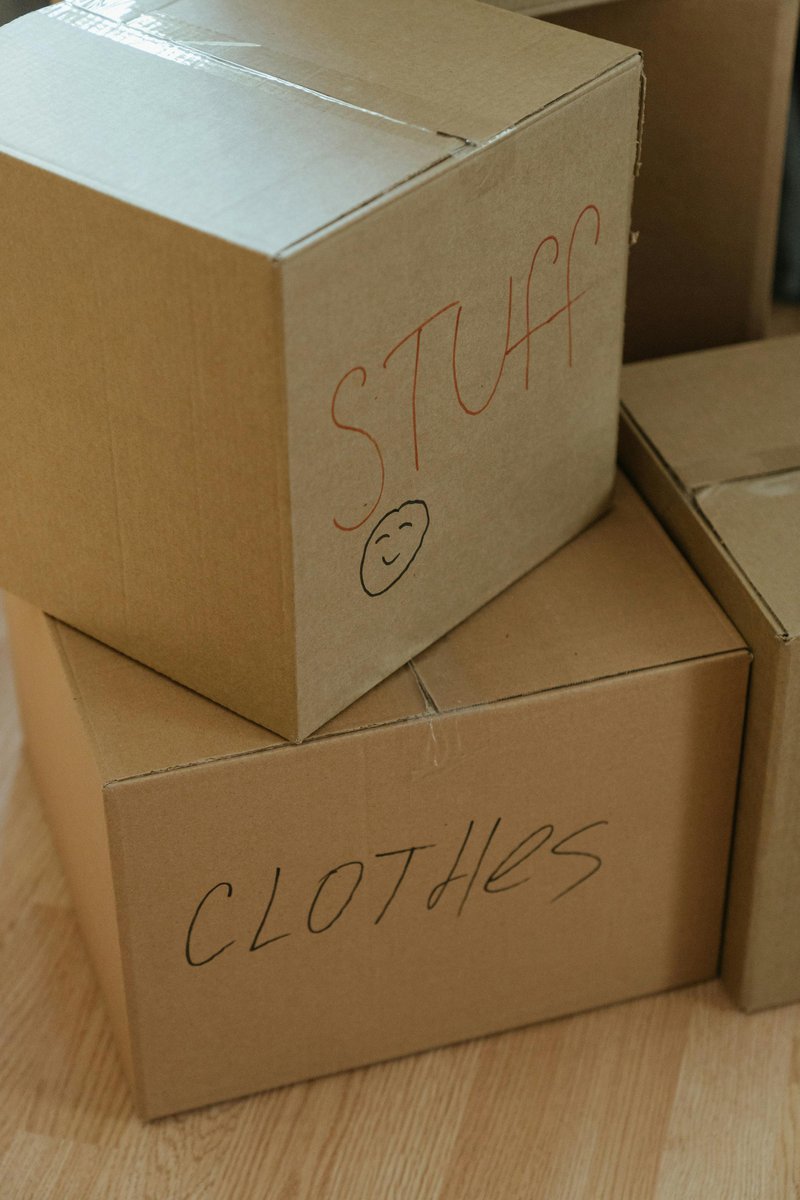

These areas often remain closed or crowded, preventing air circulation and allowing humidity to build up.
Early Signs of Mold in Storage Spaces
Mold in storage areas often begins subtly. Property owners or cleaning crews may notice:
- Musty or stale odors when opening a closet
- Spots on walls, ceilings, or shelving
- Damp or warped cardboard boxes
- Discoloration on fabrics or stored items
- Condensation on walls or ceilings
Odor is often the first clue, especially in closets or rooms that stay closed for long periods.
Why North Merritt Island Homes Are Especially Vulnerable
Several environmental factors increase mold risks in storage spaces.
Coastal humidity
Moist air from nearby waterways keeps humidity levels elevated, especially during warm months.
Frequent rain and storms
Even minor roof or window leaks can introduce moisture into attics or storage rooms.
Air-conditioning patterns
Storage rooms sometimes receive less airflow from HVAC systems, allowing humidity to linger.
Salt air exposure
Over time, salt air can affect building materials and ventilation components, increasing the likelihood of minor leaks.
Because of these conditions, storage areas often need periodic inspection even when the rest of the home appears dry.
Hidden Mold Behind Stored Items
One common problem is mold forming behind stored items, not just on them.
Boxes and furniture placed against walls can trap moisture and block airflow. This creates ideal conditions for mold growth on drywall or baseboards.
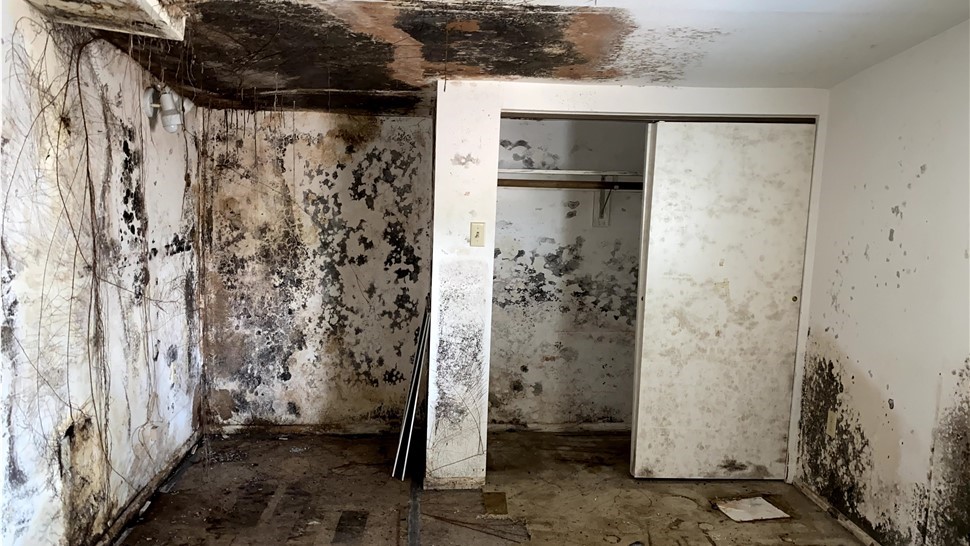

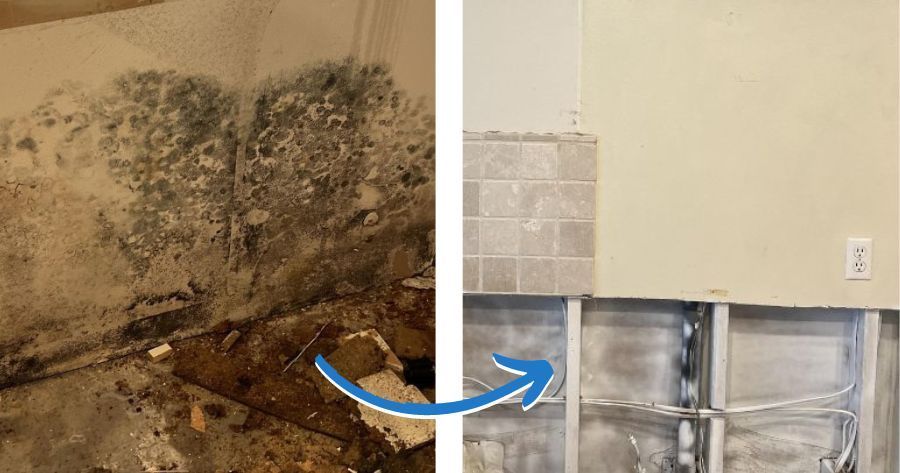
Leaving a small gap between stored items and walls can help reduce this risk.
Mold Damage to Stored Belongings
Mold doesn’t only affect walls or ceilings—it can damage stored items as well.
Common items affected include:
- Clothing and linens
- Books and paper documents
- Cardboard boxes
- Leather goods
- Upholstered furniture
Once mold spreads into porous materials, cleaning may not fully restore the item. This is why humidity control is especially important in storage areas.
Why DIY Cleaning Often Doesn’t Solve the Problem
When mold appears in a closet or storage room, many homeowners clean visible areas but overlook the cause.
DIY cleaning often fails because:
- Moisture sources remain
- Humidity levels stay high
- Mold inside drywall or insulation is not removed
- Air circulation problems continue
Without correcting humidity or ventilation, mold often returns.
How Professional Mold Inspection Helps
A professional inspection can identify both visible mold and hidden moisture sources in storage areas.
Typical steps include:
- Visual inspection of walls, ceilings, and stored items
- Moisture detection behind drywall or flooring
- Evaluation of ventilation and humidity levels
Professionals familiar with local conditions, such as Mold Removal Merritt Island, understand how coastal humidity affects closets, garages, and attic storage areas throughout North Merritt Island.
Proper Mold Removal in Storage Areas
When mold growth is confirmed, remediation focuses on both removal and prevention.
Typical steps include:
- Containment if necessary
- Removal of contaminated materials
- Cleaning and air filtration
- Drying and humidity control
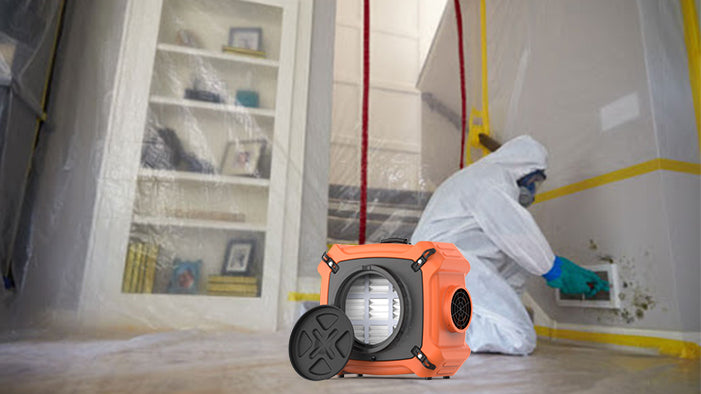
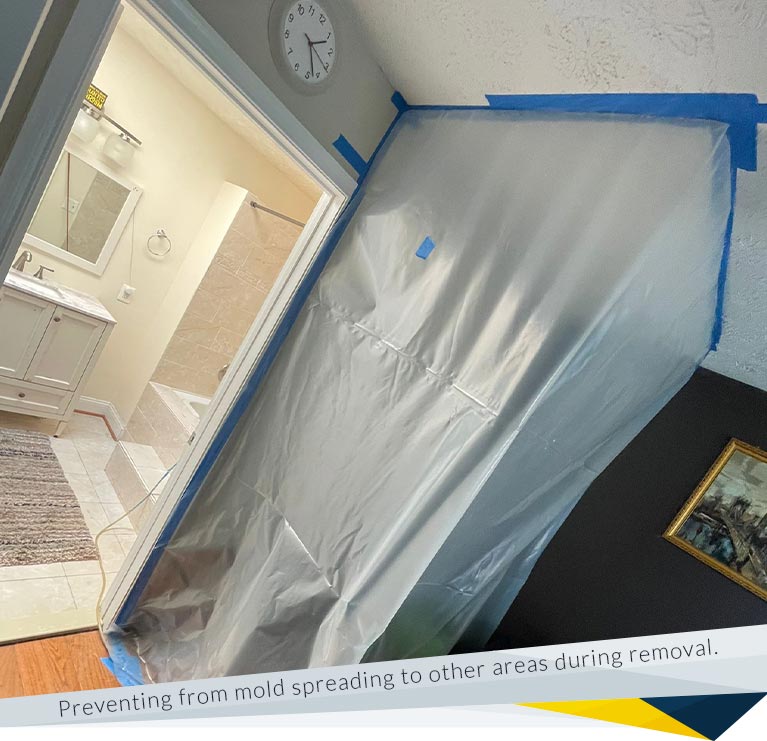

Addressing moisture sources is the most important part of preventing mold from returning.
How to Prevent Mold in Storage Areas
Preventive maintenance can significantly reduce mold risks.
Helpful steps include:
- Keeping indoor humidity between 45–55%
- Using dehumidifiers in closets or garages if needed
- Leaving space between stored items and walls
- Avoiding long-term storage in cardboard boxes
- Periodically opening closets to allow airflow
- Inspecting storage areas after storms
Plastic storage bins with lids are often better than cardboard boxes in humid climates.
The Importance of Routine Inspections
Storage areas are easy to forget, which is why routine checks are important.
A simple monthly or seasonal inspection should include:
- Checking for odors
- Looking for staining or spotting
- Feeling walls for dampness
- Inspecting ceilings after heavy rain
These quick checks can prevent small problems from becoming major repairs.
Why Local Experience Matters
Homes in North Merritt Island are influenced by environmental factors that differ from inland areas:
- Higher baseline humidity
- Waterfront airflow patterns
- Continuous AC operation
- Storm-related moisture intrusion
Professionals familiar with these conditions can identify moisture sources quickly and recommend practical solutions suited to coastal homes.
Local experience often makes a significant difference in preventing recurring mold problems.
A Calm, Practical Next Step
Mold in storage areas is common in coastal Florida, but it is usually preventable with proper humidity control, ventilation, and routine inspections. Most problems begin small and can be corrected easily when discovered early.
If you notice musty odors, dampness, or staining in a closet, garage, or storage room, having the area evaluated can help determine whether mold is present and what steps may be needed.
For property owners in North Merritt Island and throughout Brevard County, staying proactive with storage areas is one of the simplest ways to protect both your belongings and your home’s long-term condition.
