
Mold in Storage Areas in Banana River: What Merritt Island Property Owners Should Know
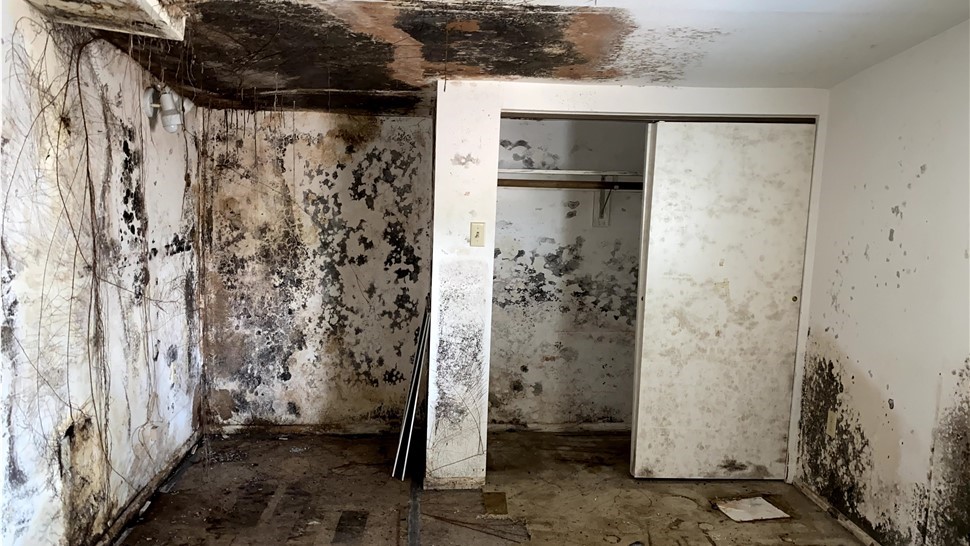
Why Storage Areas Mold Faster in Banana River Homes
Storage spaces behave differently than living areas.
Key risk factors include:
- Little to no airflow
- Doors kept closed for long periods
- Items packed tightly against walls
- Cooler surfaces on exterior walls
- Humid air drifting in from garages or outdoors
Near the Banana River, background humidity stays high enough that storage rooms rarely dry on their own.
The Biggest Mistake: “If We Don’t Use It, It’s Fine”
Out of sight does not mean dry.
When storage areas are ignored:
- Humidity builds quietly
- Condensation forms on walls and contents
- Mold establishes long before it’s noticed
By the time someone opens the door, mold has often been active for weeks or months.
Common Storage Areas Where Mold Appears
In Banana River homes, mold frequently shows up in:
- Interior storage rooms with no vents
- Closets on exterior walls
- Garage storage areas
- Under-stair storage spaces
- Utility rooms with water heaters or AC equipment
- Owner storage in vacation or secondary homes
These areas share the same issue: low airflow + persistent humidity.
What Stored Items Make Mold Worse
Certain materials actually help mold grow.
High-risk storage items include:
- Cardboard boxes
- Paper files and books
- Fabric, clothing, and linens
- Upholstered furniture
- Wood shelving and particle board
These materials absorb moisture from the air and hold it—feeding mold even without leaks.
Why Mold Often Starts Behind Stored Items
Mold usually begins where you can’t see it.
When items are pushed against walls:
- Airflow drops to near zero
- Walls stay cooler than room air
- Condensation forms behind boxes and bins
This is why mold often appears first behind shelves, stacked boxes, or stored furniture.
Storage Areas and Ground or Slab Moisture
In Banana River neighborhoods, groundwater and slab moisture add another layer of risk.
Moisture can:
- Wick upward through concrete
- Raise humidity at floor level
- Feed mold in lower walls and baseboards
This is why storage mold is often worst near the floor—even when there’s no visible water damage.
Warning Signs of Mold in Storage Spaces
Don’t wait for visible growth. Early signs include:
- Musty or “old” smells when doors open
- Soft or warped cardboard boxes
- Items feeling damp to the touch
- White, gray, or green spotting on walls or shelves
- Condensation on walls or stored items
Odor is often the first and most reliable clue.
Health Concerns from Storage-Area Mold
Because storage areas are rarely ventilated, mold spores can build up to high levels. When doors are opened, spores move into living areas through airflow.
Common complaints include:
- Sneezing or coughing after accessing storage
- Throat or eye irritation
- Headaches or sinus pressure
- Worsening asthma or allergies
This is especially common when storage areas connect to garages or HVAC spaces.
Why Cleaning Storage Mold Rarely Solves It
Wiping visible mold doesn’t change the environment.
Cleaning alone:
- Leaves humidity unchanged
- Doesn’t dry walls or contents
- Allows mold to regrow behind items
If mold returns in the same storage area, moisture control—not more cleaning—is the missing step.
How to Reduce Mold Risk in Storage Areas
Improve Airflow
- Leave doors open periodically
- Avoid sealing storage spaces completely
- Add passive vents or airflow gaps where possible
Control Humidity
- Keep indoor humidity between 30–50%
- Don’t shut the AC off for long periods
- Use dehumidifiers in garages or large storage rooms
Store Smarter
- Use plastic bins instead of cardboard
- Keep items off the floor
- Leave space between stored items and walls
- Avoid overpacking shelves
Monitor Regularly
Check storage areas monthly—especially during humid or rainy periods.
When Storage Mold Needs Professional Help
Professional evaluation is recommended if:
- Mold keeps returning
- Odors persist even after cleaning
- Mold is visible on walls or framing
- Storage connects to HVAC, garage, or living space
- Health symptoms occur
Recurring storage mold often means hidden growth inside walls or chronic moisture issues.
Storage Mold and Property Value
Storage areas matter more than many owners realize.
During inspections or sales:
- Musty storage rooms raise red flags
- Mold odors suggest hidden moisture problems
- Poorly maintained storage can trigger further inspections
Addressing mold early protects both usability and property value.
Long-Term Reality for Banana River Homes
Near the Banana River, storage areas need active moisture management, not passive hope.
Homes that avoid repeat storage mold:
- Treat storage as part of the conditioned space
- Control humidity year-round
- Inspect storage as often as living areas
- Fix moisture issues instead of masking odors
Once moisture is controlled, storage mold usually stops.
Final Takeaways for Banana River Property Owners
Mold in storage areas isn’t random—it’s predictable.
Key points to remember:
- Storage spaces trap humidity
- Cardboard and fabric feed mold
- Mold often starts behind stored items
- Cleaning alone won’t prevent return
- Airflow and humidity control are the real solutions
If your storage room smells musty or stored items feel damp, that’s your warning. In Banana River homes, storage areas are often the first place mold takes hold—and the easiest place to stop it once you know what to look for.
If you want help identifying why mold keeps forming in a storage area, whether it’s surface or hidden, or what prevention actually works, just let me know.
