
Mold in Slab Homes in Sykes Creek: What Merritt Island Property Owners Should Know
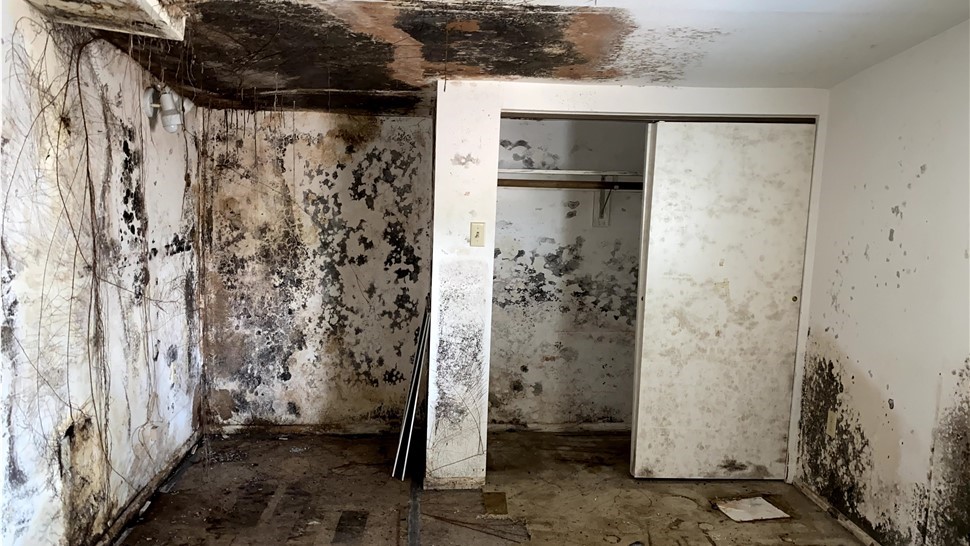
Slab homes are extremely common in Sykes Creek and throughout Merritt Island—but they come with unique mold risks that many homeowners don’t fully understand. Unlike homes with crawl spaces, slab-on-grade construction places flooring, walls, and plumbing directly on concrete. When moisture gets trapped, it has nowhere to go, creating perfect conditions for hidden mold growth.
In Sykes Creek’s humid, coastal environment, slab moisture issues are one of the leading causes of mold under flooring, behind walls, and inside cabinets. Understanding how mold develops in slab homes, how to recognize the warning signs early, and what steps to take can help protect your health, your home’s structure, and your long-term investment.
This guide explains exactly what Merritt Island property owners should know about mold in slab homes—and why early action is critical.
🌴 Why Slab Homes in Sykes Creek Are Prone to Mold
Concrete slabs may look solid and dry, but they naturally absorb and transmit moisture—especially in Florida.
Common reasons slab homes develop mold include:
- Moisture wicking up through the concrete slab
- Plumbing leaks beneath the slab
- High groundwater levels near Sykes Creek
- Flooding or storm-related water intrusion
- Condensation forming under flooring
- Poor drainage around the foundation
- High indoor humidity year-round
Once moisture becomes trapped between the slab and flooring or wall materials, mold can begin growing in as little as 24–48 hours.
🦠 How Mold Develops in Slab-On-Grade Homes
Mold in slab homes often follows a hidden and dangerous pattern:
- Moisture enters through the slab or plumbing
- Flooring or drywall traps the moisture
- Airflow is limited, preventing drying
- Mold spores activate and spread
- Growth expands into subfloors, baseboards, and walls
Because slab-related mold is usually hidden, it often spreads extensively before homeowners notice anything is wrong.
🧰 Common Mold Hotspots in Slab Homes
Mold in slab homes doesn’t stay in one place—it follows moisture.
🧱 Under Flooring
- Tile, laminate, vinyl, or carpet
- Moisture trapped between slab and flooring
- Mold spreading across slab surface
🚿 Bathrooms & Kitchens
- Under sinks and cabinets
- Around toilets and tubs
- Behind vanities
🧱 Lower Walls & Baseboards
- Drywall wicking moisture from slab
- Mold forming behind baseboards
- Bubbling or peeling paint
❄️ HVAC & Plumbing Areas
- Condensation from cold pipes
- Leaks beneath slab plumbing lines
If moisture is present anywhere near the slab, mold is often close behind.
⚠️ Health Risks Linked to Slab-Related Mold
Hidden mold in slab homes often causes long-term exposure because it’s difficult to detect.
Potential health effects include:
- Chronic coughing or sneezing
- Sinus congestion and headaches
- Eye, skin, and throat irritation
- Worsening asthma or allergy symptoms
- Fatigue and breathing discomfort
Because slab mold releases spores upward into living spaces, symptoms often worsen during humid weather or when the AC runs.
🔍 Warning Signs of Mold in Slab Homes
Many Sykes Creek homeowners notice subtle symptoms long before seeing visible mold.
Visual & Physical Clues
- Buckling or lifting floors
- Cracked or loose tiles
- Soft or spongy flooring
- Dark staining near baseboards
Smell
- Musty or earthy odors
- Odors stronger near floors or cabinets
Other Red Flags
- Mold returning after cleaning
- Increased indoor humidity
- Allergy symptoms worsening indoors
If your home smells musty but walls look clean, the issue may be coming from the slab.
🧪 Slab Moisture vs. Mold: Understanding the Difference
Moisture problems always come first—mold follows.
| Slab Moisture Issue | Mold Growth |
|---|---|
| Damp concrete | Fuzzy or blotchy growth |
| May seem harmless | Health & structural risk |
| Often invisible | Spreads if untreated |
| Can worsen silently | Requires remediation |
Ignoring slab moisture almost always leads to mold.
🧽 Why DIY Mold Cleanup Fails in Slab Homes
Slab-related mold is rarely a surface issue, which is why DIY methods usually fail.
DIY cleanup often doesn’t work because:
- Mold is under flooring or inside walls
- Bleach doesn’t penetrate concrete or drywall
- Flooring traps moisture after cleaning
- Mold spreads during improper floor removal
- Moisture sources remain unresolved
In many cases, homeowners unintentionally make slab mold worse by focusing only on visible areas.
🛑 When Professional Mold Remediation Is Necessary
Professional remediation is strongly recommended if:
- Flooring is lifting, warping, or soft
- Musty odors persist
- Plumbing leaks are suspected beneath the slab
- Mold appears repeatedly near floors
- Health symptoms worsen indoors
- Flooding or slab moisture intrusion occurred
Professionals use moisture detection, controlled removal, and drying systems to address both the mold and the slab moisture source.
🌊 Why Sykes Creek Slab Homes Face Higher Risk
Homes near Sykes Creek experience environmental factors that increase slab-related mold risk:
- High groundwater levels
- Coastal humidity year-round
- Frequent storms and heavy rainfall
- Salt air accelerating material breakdown
- Older slab construction with limited moisture barriers
Even newer slab homes can develop mold if moisture management isn’t adequate.
🛠️ Long-Term Mold Prevention Tips for Slab Homes
Preventing mold in slab homes requires proactive moisture control.
Effective prevention strategies include:
- Maintain indoor humidity below 55%
- Seal flooring seams and grout lines
- Address plumbing leaks immediately
- Improve exterior drainage away from the foundation
- Use moisture barriers during flooring replacement
- Inspect floors and baseboards regularly
- Act quickly after flooding or storms
Preventing moisture is always far less expensive than mold remediation.
📉 How Mold in Slab Homes Affects Property Value
Slab-related mold issues often create major problems during inspections.
Potential impacts include:
- Failed home inspections
- Required flooring and drywall removal
- Substantial remediation costs
- Delayed or canceled real estate transactions
- Reduced property value
Mold tied to slab moisture is commonly viewed as a serious structural and health concern.
✅ Final Takeaway for Merritt Island Property Owners
Mold in slab homes in Sykes Creek is common—but never harmless.
If you suspect a problem:
✔ Take musty odors seriously
✔ Investigate slab moisture immediately
✔ Don’t rely on surface cleaning
✔ Avoid risky DIY floor removal
✔ Seek professional help early
Early action can mean the difference between minor repairs and major reconstruction.
