
Mold in Retail Spaces in Sykes Creek: What Merritt Island Property Owners Should Know
Why Retail Spaces in Sykes Creek Are Mold-Prone
Retail buildings behave differently than offices or homes:
- Coastal humidity year-round
- Large storefront glass and exterior walls that condense moisture
- HVAC systems cycling with business hours
- Frequent door openings pulling humid air inside
- Vacant or low-traffic units that don’t dry properly
These factors create moisture swings that mold thrives on—often without visible leaks.
How Mold Typically Starts in Retail Properties
Most retail mold problems begin quietly.
Common triggers include:
- Minor roof or flashing leaks above ceiling grids
- HVAC condensation from clogged drains or oversized units
- Plumbing leaks behind restrooms or break areas
- Humidity spikes overnight or on closed days
- Wet materials after cleaning or storm intrusion that never fully dry
By the time a musty smell appears, growth is often above ceilings, behind displays, or inside ductwork.
High-Risk Areas Inside Retail Spaces
In Sykes Creek retail units, mold is most often found in:
- Drop ceilings and plenum spaces
- Behind drywall along exterior storefront walls
- HVAC air handlers, ducts, and insulation
- Storage rooms and stock areas
- Restrooms and janitorial closets
- Baseboards on ground-level exterior walls
If mold is visible in a sales area, assume there’s more hidden nearby.
The HVAC Factor Retail Owners Miss
HVAC systems can create and spread mold.
Retail-specific HVAC issues:
- Systems sized to cool crowds quickly, not dehumidify consistently
- After-hours shutdowns that allow humidity spikes
- Wet duct insulation from condensation
- Poor air balancing that leaves back rooms damp
If humidity isn’t controlled when the store is closed, mold keeps growing while no one’s around.
How Mold Affects Customers and Sales
Retail mold problems show up as experience issues first:
- Musty odors that drive customers out quickly
- Poor indoor air quality causing irritation or headaches
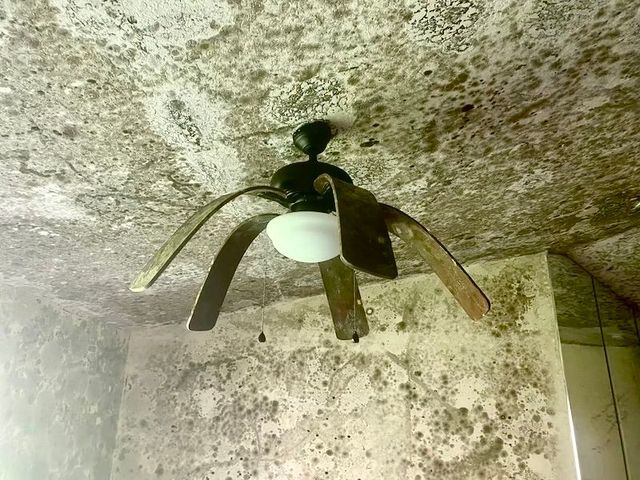
- Visible staining that hurts brand perception
- Online reviews mentioning “smell” or “air quality”
Customers don’t complain—they just don’t come back.
Tenant Complaints and Lease Risk
For strip centers and multi-tenant properties, mold escalates fast:
- Tenants report odors or health concerns
- Requests for rent credits or repairs follow
- Lease disputes arise if issues persist
- Vacancies become harder to fill
Retail tenants expect safe, comfortable spaces. Mold undermines that expectation quickly.
Why “Quick Cleaning” Backfires in Retail Settings
Surface cleaning is tempting—it’s fast and cheap. It also fails.
Why it doesn’t work:
- Mold is usually hidden above ceilings or behind walls
- HVAC keeps redistributing spores
- No containment allows spread to adjacent units
- Odors and complaints return
In retail properties, incomplete fixes often increase liability because they document awareness without resolution.
When Professional Mold Services Are Necessary
Professional inspection or remediation is typically required when:
- Odors persist despite cleaning
- Mold is visible in customer or stock areas
- HVAC systems may be involved
- Multiple units are affected
- Employees or customers report symptoms
Retail remediation prioritizes containment, air control, and documentation to protect neighboring spaces and operations.
Documentation Matters in Retail Mold Cases
Proper records protect owners and managers.
Useful documentation includes:
- Moisture and humidity readings
- Photos of affected and unaffected areas
- Defined scope of work
- Clearance or post-remediation verification
This helps resolve tenant disputes, insurance questions, and future leasing concerns.
Preventing Mold in Sykes Creek Retail Spaces
Control Humidity at All Times
- Maintain indoor humidity at 30–50%
- Keep HVAC running enough after hours to dehumidify
- Use supplemental dehumidification in stock rooms
Monitor High-Risk Areas
- Inspect above ceilings regularly
- Check HVAC rooms and drains monthly
- Smell back rooms and storage areas—not just sales floors
Act Immediately on Water
- Treat roof leaks as urgent
- Dry wet materials within 24–48 hours
- Don’t close ceilings or walls until verified dry
Manage Vacant Units
- Keep AC and airflow active
- Inspect monthly
- Avoid shutting systems down completely
Insurance and Operational Considerations
Coverage often depends on:
- Cause of the moisture
- Speed of response
- Quality of documentation
Delayed action or cosmetic fixes can weaken claims and increase downtime.
Final Takeaways for Sykes Creek Retail Property Owners
Mold in retail spaces doesn’t stay hidden for long—and it doesn’t stay small.
Key points to remember:
- Retail HVAC schedules amplify humidity problems
- Mold often hides above ceilings and in back rooms
- Customer experience and reviews are early warning signs
- Quick cleaning increases risk and recurrence
- Professional remediation and documentation protect revenue
If your retail space has persistent odors, moisture issues, or tenant complaints, early investigation is the smartest move. In Sykes Creek’s climate, mold grows quietly—but its impact on sales and leases is loud.
If you want help determining whether a retail mold issue is localized or center-wide, how HVAC schedules may be contributing, or what prevention steps make sense for your property, just let me know.
