
Mold in New Construction in Banana River: What Merritt Island Property Owners Should Know
If you own or manage an older home near Sykes Creek on Merritt Island, Florida, mold is one of those issues you don’t notice until it’s affecting your air quality and your health. Sykes Creek’s subtropical climate—with its heat, humidity, and water exposure—makes older homes especially prone to mold growth. This article breaks down what property owners need to understand about mold in these homes, how it impacts indoor air and respiratory health, and what you can do about it.
Why Older Homes Near Sykes Creek Are Mold-Prone
South Merritt Island, including the Sykes Creek area, has a climate that encourages mold growth:
- High humidity year-round keeps materials damp long enough for mold to flourish.
- Frequent rainfall and coastal breezes introduce moisture into building structures.
- Older building materials and construction techniques often lack modern moisture barriers.
Even well-maintained older homes can have hidden vulnerabilities: wood framing without vapor barriers, uninsulated crawlspaces that trap moisture, and outdated HVAC systems that struggle with dehumidification. When these factors combine, mold can find the moisture it needs and start colonizing.
What Mold Actually Is—and Why It Matters
Mold is a type of fungus that reproduces through microscopic spores in the air. Those spores are everywhere—both outside and inside every building. In dry conditions, they’re mostly harmless. But indoors, when humidity stays elevated and materials stay wet, spores land on surfaces and grow into mold colonies.
Once mold starts growing, it releases even more spores and metabolic by-products into the air. In enclosed spaces like older homes, those spores can build up to levels that irritate lungs and airways.
How Mold Affects Respiratory Health
Mold exposure can trigger or worsen respiratory issues, especially in sensitive individuals. Common respiratory effects include:
Typical symptoms
- Persistent cough or throat irritation
- Wheezing or difficulty breathing
- Nasal congestion and sneezing
- Sinus pressure and headaches
Higher-risk groups
- People with asthma
- Those with chronic respiratory conditions
- Individuals with allergies
- Elderly residents and young children
- Anyone with compromised immune systems
In older homes with limited fresh-air ventilation, mold particles can circulate through ductwork, carpets, and fabrics, making symptoms worse over time.
Common Places Mold Hides in Older Homes
Older homes around Sykes Creek have unique construction features that can conceal mold until it’s widespread. Look closely in these areas:
Crawlspaces and Basements
- Moist soil under homes can keep wood joists and insulation damp
- Limited airflow traps humidity
- HVAC ductwork can run through these spaces, distributing spores
Wall Cavities and Behind Drywall
- Leaky plumbing inside walls provides hidden water sources
- Ceiling leaks from roof problems send water into wall cavities
- Once inside, mold can grow unseen until mildew odors appear
Attics
- Poor ventilation and attic condensation
- Roof deck moisture from temperature swings
- Insulation that traps moisture against lumber
Bathrooms and Kitchens
- Older grout and caulk allow water to seep behind tiles
- Under-sink cabinets and flooring can stay damp
- Window sills near showers collect moisture
HVAC Systems
- Coil drip pans that overflow or stagnate water
- Filters that are dirty or oversized for the system
- Ductwork with condensation and poor seals
Mold doesn’t need to be visible to affect your health; it can hide in wall cavities, under flooring, and inside ducts yet still circulate spores through your home.
Signs Your Older Home Has a Mold Problem
Some signs are obvious, others subtle. Pay attention to:
Visible signs
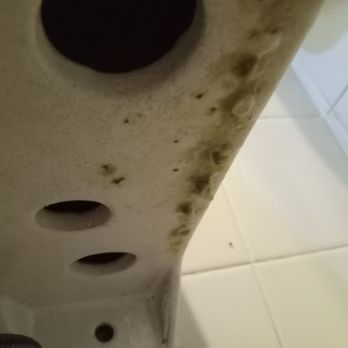
- Black, green, or brown spots on walls, ceilings, or wood
- Warped drywall or peeling paint
- Staining or discoloration near windows, baseboards, and plumbing
Smell
- A musty, damp odor that doesn’t go away after cleaning
- Smell that gets stronger after rain or high-humidity days
Health clues
- Respiratory symptoms that improve when you’re away from home
- Persistent coughing or nasal irritation without an obvious cause
Catching mold before it spreads widely saves money and protects your family’s health.
Why Older Construction Can Make Mold Worse
Older homes were built before modern moisture-control standards. Several factors contribute to mold problems:
- Lack of vapor barriers under slab floors or behind walls
- Natural wood framing without moisture protection
- Inadequate attic and crawlspace ventilation
- Single-pane windows and older doors that allow humidity infiltration
- Plumbing systems with age-related leaks
- Outdated HVAC systems not designed for dehumidification
These features allow moisture to persist longer in building materials, which is all mold needs to thrive.
What Property Owners Can Do
Owning an older home doesn’t mean resigning yourself to mold. Here are practical, proactive steps:
Control Moisture First
Moisture control is the foundation of mold prevention:
- Fix plumbing leaks immediately
- Ensure gutters and downspouts divert water away from the foundation
- Install vapor barriers in crawlspaces
- Use dehumidifiers in damp areas
Improve Ventilation
Better airflow prevents moisture buildup:
- Add or upgrade attic and crawlspace vents
- Use exhaust fans in bathrooms and kitchens
- Keep interior doors open to promote airflow between rooms
Maintain HVAC System
A well-tuned HVAC system reduces humidity:
- Change filters regularly
- Have the system inspected seasonally
- Keep drip pans clean and clear
- Consider UV germicidal lights to reduce microbial growth on coils
Clean and Dry Affected Areas
If mold appears:
- Isolate the area
- Clean with appropriate mold-safe cleaners
- Dry thoroughly to remove moisture
- Replace materials that cannot be fully cleaned (such as saturated insulation)
Professional Inspections and Remediation
When mold covers large areas (more than a few square feet), or if you suspect hidden mold, hire professionals. Certified mold inspectors can:
- Test air quality
- Locate hidden mold behind walls and under floors
- Provide prioritized remediation plans
Remediation professionals can contain affected areas, remove contaminated materials, and ensure moisture sources are corrected so mold doesn’t return.
Insurance and Older Homes
Standard homeowner insurance policies vary in mold coverage:
- Sudden, accidental water damage (like a burst pipe) is often covered
- Long-term moisture damage generally isn’t
- Flood-related mold usually requires separate flood coverage
Review your policy carefully and talk to your agent about mold endorsements or riders that may add coverage.
Final Takeaways
Mold in older Sykes Creek homes is common—but manageable. The combination of humidity, age-related vulnerabilities, and hidden moisture pathways makes vigilance essential.
Key points to remember
- Mold thrives where there’s moisture and poor ventilation
- Older construction features can make mold harder to spot and fix
- Respiratory irritation and worsening asthma are common health concerns
- Moisture control and ventilation are your first lines of defense
- Professional inspection and remediation are worth the investment when mold is widespread
If you need help assessing your specific home, identifying likely problem areas, or planning a remediation strategy, I can walk you through it step by step.
