
Mold in Offices in Brevard County: What Merritt Island Property Owners Should Know
Why Offices in Brevard County Are Mold-Prone
Office buildings face a unique mix of risk factors:
- Coastal humidity year-round
- Large roof and ceiling areas exposed to wind-driven rain
- HVAC systems running long hours—or cycling poorly after hours
- Interior spaces with limited natural ventilation
- Vacant or lightly used suites that don’t dry properly
Unlike homes, offices often delay discovery because problems don’t show up as stains—they show up as complaints.
How Mold Typically Starts in Office Spaces
Office mold usually begins with small, persistent moisture, not disasters.
Common triggers include:
- Slow roof or flashing leaks over ceiling tiles
- HVAC condensation from oversized or unbalanced systems
- Clogged condensate drains or wet duct insulation
- Plumbing leaks in restrooms, breakrooms, or janitorial closets
- High indoor humidity after hours or on weekends
These issues can feed mold for weeks before anyone notices.
Where Mold Hides in Offices
If mold is present, it’s often found in:
- Drop ceilings and plenum spaces
- Behind drywall near exterior walls
- Inside air handlers, ducts, and return chases
- Restrooms and breakrooms
- Storage rooms and file areas
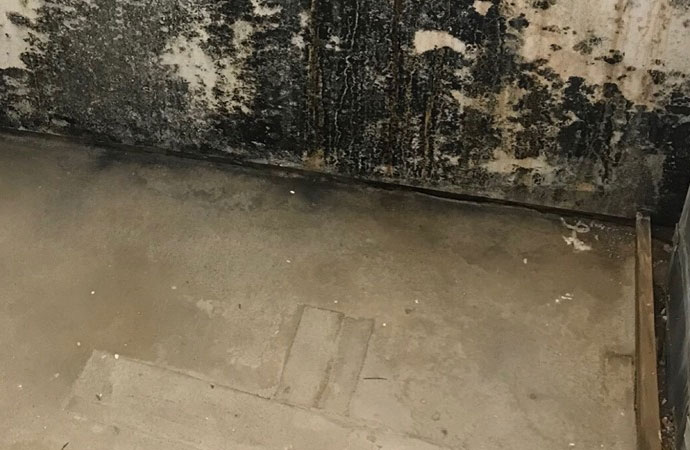
- Ground-floor baseboards and lower walls
Because air moves freely in offices, spores can travel far from the source.
The HVAC Connection (Biggest Office Mold Driver)
HVAC systems can both cause and spread mold.
Office-specific HVAC problems:
- Systems sized to cool quickly but not dehumidify
- After-hours shutdowns that allow humidity spikes
- Wet or dirty duct insulation
- Poor air balancing creating damp zones
If HVAC issues aren’t corrected, mold removal won’t last—and complaints will return.
How Mold Affects Office Occupants
Office mold shows up as patterns, not emergencies.
Common complaints include:
- Persistent coughing or throat irritation
- Nasal congestion or sinus pressure
- Headaches or fatigue during the workday
- Symptoms improving outside the office
When multiple employees report similar issues, indoor air quality should be investigated immediately.
Why “Quick Cleaning” Is Risky in Offices
Surface cleaning may calm things down briefly—but it increases risk.
Why it fails:
- Hidden mold remains above ceilings and in walls
- HVAC continues distributing spores
- No containment means spread to adjacent areas
- Symptoms persist, raising liability concerns
In offices, incomplete work can be worse than no work because it documents awareness without resolution.
When Professional Mold Removal Is Necessary
Professional remediation is strongly recommended when:
- Complaints involve more than one employee
- Mold is visible in shared areas
- HVAC systems may be contaminated
- Odors persist after cleaning
- Multiple rooms or suites are affected
Commercial remediation prioritizes containment, air control, and documentation.
Documentation Protects Office Owners and Managers
In Brevard County offices, records matter.
Typical documentation includes:
- Moisture readings and humidity logs
- Photos of affected and unaffected areas
- Defined scope of work
- Clearance or post-remediation verification
This protects against tenant disputes, workers’ comp issues, and insurance challenges.
How Mold Impacts Leases and Operations
Even small mold issues can cause:
- Reduced productivity and morale
- Tenant complaints or rent withholding
- Inspection failures
- Schedule disruptions during remediation
Downtime and reputational impact often cost more than fixing the mold correctly.
Prevention Strategies for Office Buildings
Control Humidity—All the Time
- Maintain indoor RH at 30–50%
- Keep HVAC running enough after hours to dehumidify
- Add supplemental dehumidification where needed
Monitor High-Risk Areas
- Inspect ceilings, HVAC rooms, and restrooms monthly
- Check vacant suites more frequently
- Smell spaces—not just look
Act Fast on Water
- Roof leaks are urgent, no matter how small
- Plumbing repairs must include drying
- Wet materials should be dried within 24–48 hours
Maintain HVAC Proactively
- Keep drains clear
- Replace wet insulation
- Balance airflow to avoid damp zones
Insurance and Compliance Considerations
Coverage often depends on cause and response:
- Sudden water events may be covered
- Long-term moisture typically is not
- Delayed action weakens claims
Prompt response and documentation strengthen your position.
Final Takeaways for Brevard County Office Property Owners
Office mold problems don’t stay small.
Key points to remember:
- Mold often hides above ceilings and in HVAC
- Employee complaints are early warning signs
- Quick cleaning increases liability
- Professional remediation protects operations
- Documentation is essential in commercial settings
If your office space has odors, recurring moisture, or employee complaints, early investigation is the smart move. In Brevard County’s climate, mold doesn’t wait—and neither do the consequences.
If you want help deciding whether an office issue is localized or building-wide, how HVAC may be contributing, or what steps reduce liability, I’m here.
