
Mold in New Construction in North Merritt Island: What Merritt Island Property Owners Should Know
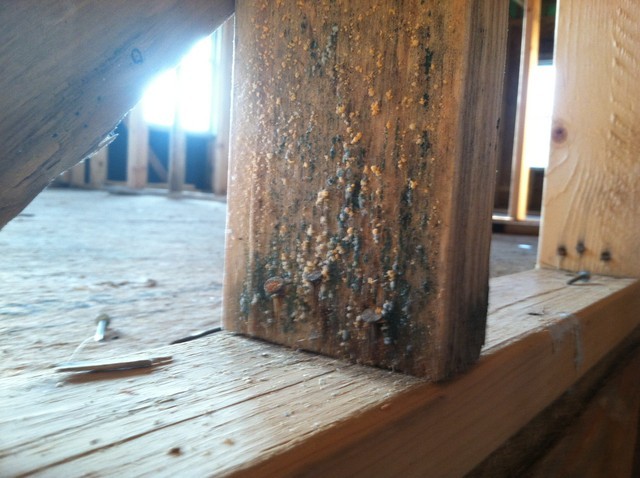
New construction is supposed to mean a fresh start—clean materials, modern systems, and fewer surprises. Yet in North Merritt Island, mold issues in brand-new homes are more common than many property owners expect. Coastal humidity, fast build timelines, slab foundations, and tight building envelopes can combine to trap moisture early, sometimes before a home is even occupied.
Understanding why mold can appear in new construction, what signs to watch for, and how local conditions play a role can help owners address problems quickly and avoid long-term damage.
Why Mold Can Appear in Brand-New Homes
Mold doesn’t care how old a house is—it cares about moisture. In North Merritt Island, new homes can encounter moisture at several stages:
- Materials exposed during construction to rain and humidity
- Concrete slabs curing and releasing moisture after flooring is installed
- Tight, energy-efficient designs that limit natural drying
- HVAC systems running before full dry-out
- Landscaping and grading that direct water toward the foundation
When moisture becomes trapped early, mold can begin growing behind finishes long before visible signs appear.
North Merritt Island Factors That Increase Risk
Local conditions matter, especially for new builds.
High coastal humidity
Humidity remains elevated year-round, slowing the drying of framing, drywall, and concrete.
Slab-on-grade construction
Most new homes sit on slabs, which can wick moisture upward if vapor barriers or drying time are insufficient.
Storm exposure during builds
Rain during framing or drywall stages can soak materials that later get sealed in.
Fast construction schedules
Compressed timelines can reduce the time needed for materials to fully dry.
Salt air influence
Salt attracts moisture, keeping surfaces damp longer—especially near the Banana River and Sykes Creek.
Common Places Mold Shows Up in New Construction
In new homes, mold is often hidden at first.
Typical problem areas include:
- Under flooring (tile, laminate, vinyl, engineered wood)
- Inside walls behind drywall
- Around baseboards and lower wall sections
- In closets and cabinets with limited airflow
- Inside HVAC air handlers and ductwork
- Attics with condensation issues
Because finishes are new, odors or subtle changes are often the first clues.
Early Warning Signs Property Owners Notice
New construction mold doesn’t always look dramatic. Watch for:
- Musty or earthy odors in a “new” home
- Condensation on windows, vents, or walls
- Flooring that feels soft, uneven, or begins lifting
- Bubbling or peeling paint
- Cabinets or closets that smell damp
- Indoor humidity that feels hard to control
In North Merritt Island, these signs may appear weeks or months after move-in.
Why “New” Doesn’t Mean “Dry”
A common misconception is that new homes are dry by default. In reality:
- Concrete continues releasing moisture for months
- Framing can hold moisture after rain exposure
- Drywall absorbs humidity quickly
- Tight homes trap moisture without strong ventilation
- Early AC use can create condensation before balance is achieved
Without proper moisture management, mold can develop quietly behind pristine finishes.
HVAC Systems and Early Mold Issues
HVAC plays a major role in new-home mold problems.
Common issues include:
- Condensate lines not draining properly
- Air handlers producing excess condensation
- Ductwork exposed to humidity before sealing
- Systems running before the home fully dries out
When moisture collects in HVAC components, it can affect air quality throughout the home.
Why DIY Checks Often Miss New-Build Mold
Because surfaces look clean, DIY inspections can overlook hidden issues.
DIY efforts often fail because:
- Mold is behind walls or under floors
- Moisture isn’t visible at the surface
- Odors are mistaken for “new house” smells
- Standard cleaning doesn’t address trapped moisture
By the time visible mold appears, the issue may already be widespread.
Professional Mold Inspection for New Construction Explained
A professional inspection focuses on moisture behavior—not just visible growth.
Typical steps include:
- Visual assessment of high-risk areas
- Moisture readings in slabs, walls, and flooring
- Infrared imaging to locate hidden dampness
- HVAC and condensate evaluation
- Targeted sampling when appropriate
- Clear explanation of findings and options
This approach identifies problems early, often before major repairs are needed.
Proper Mold Remediation in New Homes
Remediation in new construction aims to correct issues without unnecessary disruption.
Effective steps usually include:
- Containment of affected areas
- Selective removal of damaged materials if needed
- Thorough cleaning of surrounding surfaces
- Moisture correction (slab, HVAC, ventilation, drainage)
- Prevention planning tailored to the home’s design
Mold Removal Merritt Island approaches new-build mold with methods specific to North Merritt Island construction and coastal conditions.
How to Reduce Mold Risk in New Construction
Prevention starts early and continues after move-in.
- Monitor indoor humidity closely
- Run HVAC systems correctly and consistently
- Inspect flooring and baseboards regularly
- Keep closets and cabinets ventilated
- Address condensation immediately
- Inspect after storms or heavy rain
- Ensure exterior drainage directs water away from the slab
Early attention prevents small moisture issues from becoming major problems.
Why Local North Merritt Island Experience Matters
New construction mold issues here differ from inland builds. Local experience means understanding:
- Slab moisture behavior in coastal soil
- Humidity effects on curing materials
- Storm exposure during construction phases
- HVAC performance in tight, coastal homes
- Common shortcuts that lead to trapped moisture
This insight leads to faster diagnosis and better long-term outcomes.
A Practical Next Step for Property Owners
If your new North Merritt Island home has musty odors, moisture concerns, or early signs of mold, it’s worth investigating sooner rather than later. Mold in new construction rarely resolves on its own and often expands behind finished surfaces.
A professional inspection can identify whether moisture is present, explain why it’s happening, and outline practical steps to correct it—without pressure or alarm. For Merritt Island property owners, early action protects both the investment and the long-term comfort of the home.
