
Mold in Laundry Rooms in South Merritt Island: What Merritt Island Property Owners Should Know
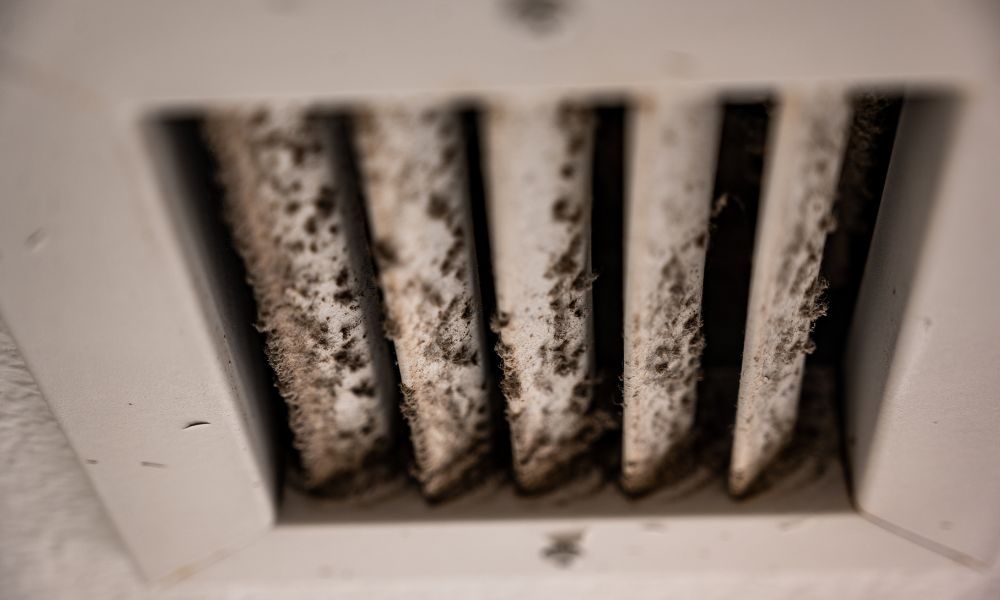
Laundry rooms are one of the highest-risk spaces for mold in South Merritt Island homes. They combine water, heat, humidity, and limited airflow—often in a small, enclosed room. In Brevard County’s coastal climate, that mix can turn a minor drip or a little condensation into a persistent mold problem faster than most homeowners expect.
What makes laundry-room mold especially tricky is that it often starts behind machines, inside walls, or under flooring, so it grows quietly until odors, stains, or health symptoms appear.
This guide explains why laundry rooms are mold magnets in South Merritt Island, the warning signs to watch for, and how property owners can prevent problems before they spread.
🌴 Why Laundry Rooms Are High-Risk in South Merritt Island
Local conditions amplify everyday laundry moisture.
Key factors include:
- High coastal humidity year-round
- Salt air that slows evaporation
- Warm wash cycles adding steam
- Condensation from dryers
- Slab foundations that trap moisture
- Laundry rooms tucked into closets or hallways
Even well-maintained homes can develop mold here without obvious leaks.
🦠 How Mold Develops in Laundry Rooms
Laundry-room mold usually follows a predictable pattern:
- Washing machine hoses drip or sweat
- Dryer vents release warm, moist air
- Condensation forms on walls, floors, or appliances
- Moisture becomes trapped behind machines or cabinets
- Mold begins growing within 24–48 hours
Because the room is used regularly, moisture is reintroduced again and again, feeding ongoing growth.
🧱 Common Mold Hotspots Around Laundry Areas
Mold in South Merritt Island laundry rooms often hides in these places:
- Behind washing machines (leaks or vibration-loosened hoses)
- Under washer pans or on slab floors
- Inside walls shared with plumbing lines
- Around dryer vents and vent ducts
- On ceilings above dryers releasing steam
- Inside cabinets storing detergents or supplies
- Baseboards and lower drywall near the floor
If mold shows up nearby, it’s often more extensive behind the scenes.
👃 Early Warning Signs You Shouldn’t Ignore
Laundry-room mold often announces itself subtly.
Watch for:
- Musty or sour odors near the washer or dryer
- Clothes smelling moldy after washing
- Bubbling or peeling paint
- Warped baseboards or trim
- Rusting appliance feet or shelving
- Damp floors that never fully dry
If the smell gets stronger after laundry cycles, moisture is likely the cause.
🤧 Health Effects Linked to Laundry-Room Mold
Because laundry rooms are often near bedrooms or hallways, exposure can spread.
Possible symptoms include:
- Sneezing or coughing at home
- Sinus congestion or headaches
- Itchy eyes, skin, or throat
- Worsening asthma or allergies
- Fatigue or breathing discomfort
Even small hidden growth can affect indoor air quality throughout the house.
🧪 Why Laundry-Room Mold Is Often Missed
These problems are frequently overlooked because:
- Leaks are slow and intermittent
- Moisture is expected around appliances
- Growth is hidden behind machines
- Odors are blamed on “wet clothes”
- Fixing a hose doesn’t remove existing mold
Stopping the water source doesn’t always stop the mold that already formed.
🧽 Why DIY Cleanup Often Doesn’t Last
Wiping visible mold rarely fixes laundry-room problems.
DIY efforts fail because:
- Moisture remains trapped behind appliances
- Bleach doesn’t penetrate drywall or wood
- Condensation keeps returning
- Hidden growth is left untouched
If mold returns after cleaning, the room’s moisture balance hasn’t been fixed.
🌊 Why South Merritt Island Makes Laundry Rooms More Vulnerable
Compared to inland homes, South Merritt Island laundry rooms face:
- Constant humidity exposure
- Salt air moisture retention
- Slab floors that stay cool and damp
- Long AC seasons that create condensation
These conditions make drying slower and mold growth easier.
🛠️ Preventing Mold in Laundry Rooms
Prevention focuses on leaks, ventilation, and drying.
Effective steps include:
- Inspect washer hoses regularly; replace aging hoses
- Use a washer pan and ensure proper drainage
- Vent dryers fully outdoors, not into the room
- Run exhaust fans or increase airflow during laundry
- Leave doors open after use to help drying
- Wipe up spills immediately
- Keep indoor humidity below 55%
- Pull machines out periodically to inspect behind them
Small habits can prevent major repairs.
🛑 When Laundry-Room Mold Needs Professional Attention
Professional assessment is recommended if:
- Musty odors persist
- Mold returns repeatedly
- Walls or floors feel soft
- Multiple rooms are affected
- Health symptoms worsen indoors
Laundry-room mold is often a symptom of broader moisture issues in the home.
📉 How Laundry-Room Mold Affects Property Value
Laundry areas are inspected closely during sales.
Potential impacts include:
- Failed home inspections
- Required remediation before closing
- Buyer concern about plumbing issues
- Insurance complications
- Reduced resale value
Buyers often see laundry-room mold as evidence of hidden water problems.
✅ Final Takeaway for Merritt Island Property Owners
In South Merritt Island, laundry rooms are small spaces with big mold risk.
To protect your home:
✔ Don’t ignore musty laundry odors
✔ Check behind machines regularly
✔ Control humidity and ventilation
✔ Fix leaks immediately
✔ Avoid surface-only fixes
✔ Act early before mold spreads
A dry, well-ventilated laundry room helps protect your entire home—one wash cycle at a time.
