
Mold in Laundry Rooms in North Merritt Island: What Merritt Island Property Owners Should Know
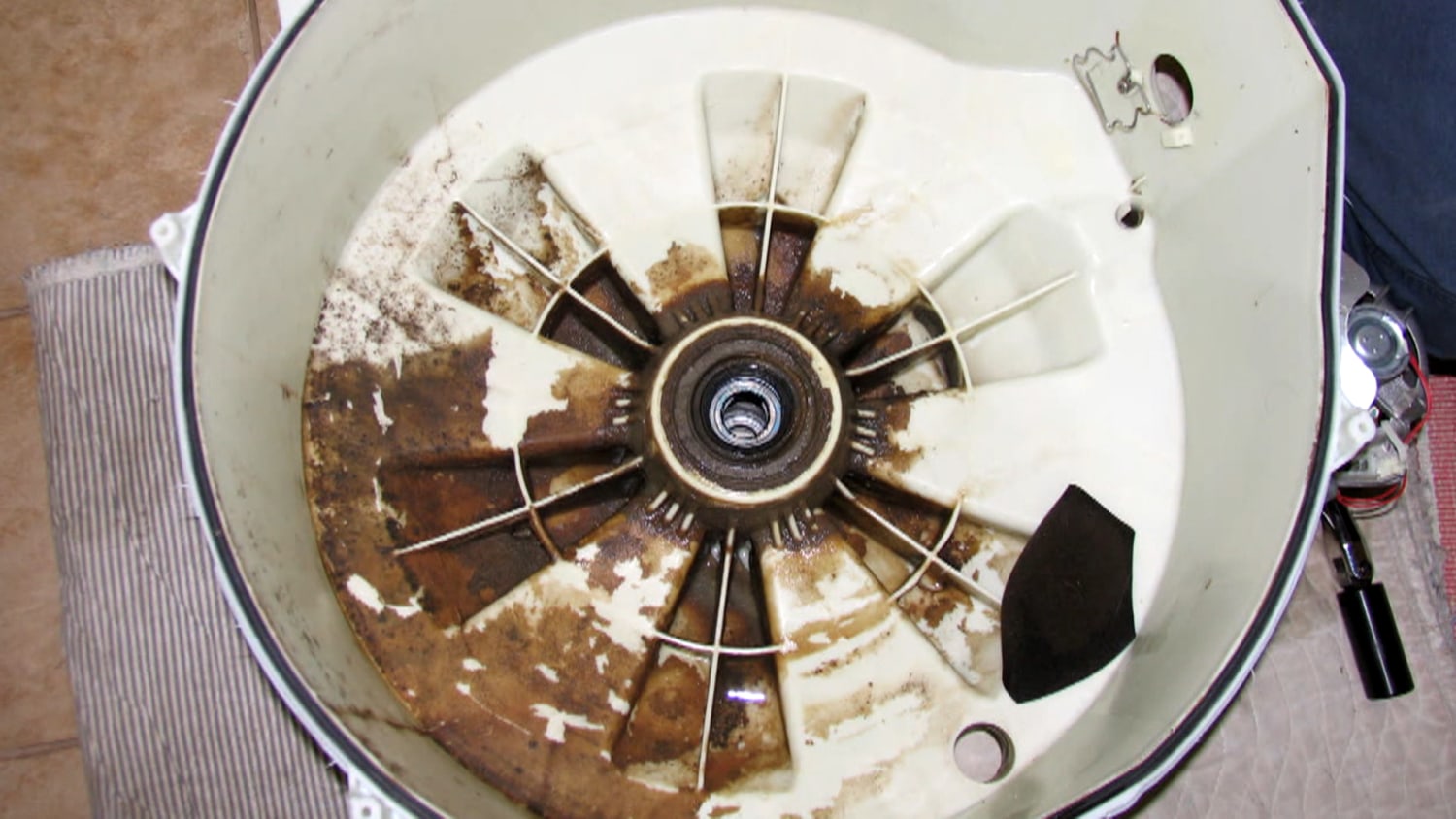
Why Laundry Rooms Attract Mold in North Merritt Island
Laundry rooms combine multiple moisture sources in one enclosed space. Add Florida humidity, and mold gets comfortable fast.
Common reasons mold develops here include:
- Washer leaks or overflows
- Condensation on cold water lines
- Dryer moisture and poor venting
- High humidity with little airflow
- Doors kept closed most of the time
Unlike kitchens or bathrooms, laundry rooms often lack proper ventilation. Moisture builds quietly—and mold doesn’t need much encouragement.
Washer Leaks Don’t Have to Be Obvious
Not all washer-related mold comes from floods.
Slow problems cause most of the damage, like:
- Loose supply line connections
- Small hose cracks
- Drain issues that leave standing water
- Water splashing behind or under the machine
In North Merritt Island homes, these small leaks soak drywall, baseboards, and flooring before anyone notices. By the time the washer gets fixed, moisture may already be trapped inside walls.
Condensation: The Sneaky Mold Trigger
Condensation causes more laundry-room mold than people realize.
Cold water pipes meet warm, humid air and start to sweat. That moisture drips onto:
- Wall cavities
- Cabinet bases
- Flooring
- Insulation behind drywall
Because condensation happens slowly and silently, mold often grows without any visible “leak” to blame.
Dryer Moisture Problems Add to the Risk
Dryers don’t just produce heat—they produce moisture.
Mold risk increases when:
- Dryer vents clog or disconnect
- Vents leak moist air into the room
- Venting doesn’t lead fully outside
- Lint traps reduce airflow
When dryer moisture stays inside the laundry room, humidity spikes quickly and surfaces don’t dry properly.
Common Mold Locations in Laundry Rooms
Mold doesn’t always grow where you expect.
In North Merritt Island laundry rooms, it often appears:
- Behind washers and dryers
- On lower drywall sections
- Along baseboards
- Under cabinets or shelving
- On nearby walls shared with closets or hallways
Odors usually show up before visible growth—especially in enclosed rooms.
Early Signs of Mold in Laundry Rooms
Laundry-room mold usually gives subtle warnings first.
Watch for:
- Musty or sour smells
- Warped baseboards or trim
- Peeling paint near the floor
- Soft drywall behind machines
- Clothing or towels smelling damp
If the room smells worse after running laundry, that’s a clue moisture isn’t leaving the space properly.
Why Laundry Room Mold Spreads Easily
Laundry rooms often share walls with living spaces.
Once mold develops, spores and odors can:
- Move into adjacent rooms
- Travel through wall cavities
- Affect indoor air quality
- Spread into closets or hallways
That’s how a “small laundry issue” becomes a whole-house concern.
Why DIY Cleaning Usually Falls Short
DIY cleanup focuses on what’s visible, not what’s feeding the mold.
DIY efforts fail because:
- Mold grows behind drywall
- Moisture remains inside materials
- Condensation continues daily
- Ventilation doesn’t improve
Bleach and sprays might clean surfaces, but mold comes back as long as moisture stays active.
How Inspections Identify Hidden Laundry-Room Mold
A proper inspection looks past the machines.
Inspections often include:
- Moisture readings in walls and floors
- Checks behind washers and dryers
- Evaluation of dryer venting
- Assessment of nearby rooms and airflow
This helps determine whether mold is isolated or part of a broader moisture pattern.
Preventing Mold in North Merritt Island Laundry Rooms
Prevention focuses on moisture control and airflow.
Helpful steps include:
- Checking washer hoses regularly
- Keeping dryer vents clean and sealed
- Leaving the laundry door open after use
- Running the AC consistently
- Monitoring indoor humidity
Small changes here prevent much bigger problems later.
When Laundry Room Mold Signals a Bigger Issue
Recurring mold often points to:
- High indoor humidity
- Ongoing condensation problems
- Hidden plumbing leaks
- Poor ventilation throughout the home
If mold keeps returning, the laundry room may just be the visible part of a larger moisture issue.
Why Local Experience Matters in North Merritt Island
Laundry-room mold behaves differently in coastal Florida than in drier climates. Humidity, slab foundations, and AC-heavy living all influence how moisture spreads and dries.
That’s why Mold and Duct Cleaning Experts help Merritt Island property owners understand whether laundry-room mold is contained—or a warning sign—based on local conditions.
Final Thoughts
Laundry rooms may be small, but they carry big mold risks in North Merritt Island homes. Everyday moisture, limited airflow, and hidden leaks create perfect conditions for mold to grow quietly.
