
Mold in Laundry Rooms in Brevard County: What Merritt Island Property Owners Should Know
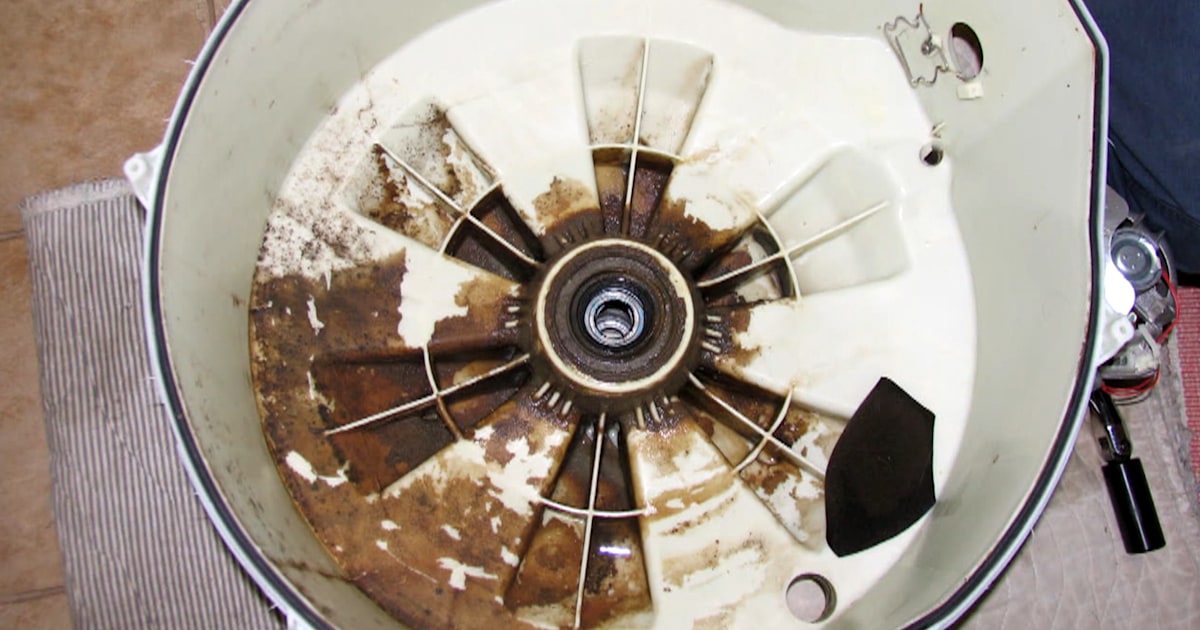
Laundry rooms are one of the most overlooked mold-prone areas in Brevard County homes. Because they are functional spaces rather than living areas, moisture issues often go unnoticed until mold is already established. In a coastal environment like Merritt Island, where humidity is a daily reality, laundry rooms quietly combine several mold-friendly conditions in one place.
Between washing machines, dryers, plumbing connections, and limited airflow, laundry rooms regularly introduce moisture into the home. When that moisture lingers — especially near the Banana River, Indian River, or Sykes Creek — mold can develop faster than many property owners expect. Understanding why laundry rooms are so vulnerable helps homeowners, landlords, and property managers prevent small issues from turning into larger problems.
Why Laundry Rooms Are High-Risk Areas in Brevard County
Laundry rooms generate moisture by design. Washing machines use large volumes of water, and dryers produce heat that can increase humidity in enclosed spaces. In Brevard County’s humid climate, this moisture does not evaporate easily.
Many laundry rooms are tucked into interior hallways, garages, or closets with limited ventilation. Some are built on slab foundations where ground moisture can add to indoor humidity. When airflow is restricted, damp conditions persist long enough for mold to grow.
In Merritt Island homes, laundry rooms often become moisture traps rather than moisture-managed spaces.
How Mold Commonly Starts in Laundry Rooms
Mold in laundry rooms rarely starts with a dramatic event. More often, it begins with small, repeated moisture exposures.
Minor leaks from washing machine supply lines, slow drips at drain connections, or condensation on cold water pipes can keep surrounding materials damp. Overflow pans beneath washing machines may collect water and never fully dry. Over time, drywall, baseboards, and cabinetry absorb this moisture.
Because laundry rooms are not inspected frequently, these conditions can exist unnoticed for weeks or months.
Common Mold Locations in Laundry Rooms
Mold growth in laundry rooms often appears in predictable places. Behind washing machines is one of the most common locations, where leaks and condensation are difficult to see.
Lower wall sections near baseboards are another frequent trouble spot, especially in slab homes. Moisture can wick upward from the floor and become trapped behind finishes.
Cabinet interiors, especially under utility sinks, are also vulnerable. Limited airflow and hidden plumbing connections allow moisture to linger and mold to grow quietly.
The Role of Washing Machines and Hoses
Washing machine hoses are a frequent source of hidden moisture. Over time, rubber hoses can weaken, fittings can loosen, and small leaks can develop.
In Brevard County’s humid environment, even minor leaks can keep surrounding materials damp long enough for mold to form. Front-loading washing machines can also trap moisture inside door seals and nearby surfaces if not dried properly.
Regular inspection of hoses and connections is essential, especially in homes near waterways where humidity remains high.
Dryer Venting and Moisture Buildup
Dryers remove moisture from clothing, but that moisture must be vented outside. When dryer vents are blocked, damaged, or improperly installed, warm, moist air can be released into the laundry room.
This added humidity significantly increases mold risk. In some Merritt Island homes, dryer vents terminate too close to exterior walls or attics, allowing moisture to re-enter the structure.
Lint buildup in vents can also restrict airflow, increasing heat and humidity inside the laundry area.
Plumbing Leaks and Utility Sinks
Many laundry rooms include utility sinks, which introduce additional plumbing connections. Leaks beneath sinks are often slow and hidden, making them easy to miss.
Drips from supply lines or drain traps can saturate cabinet bases and wall cavities. Because drying is slow in Brevard County, these areas remain damp long enough for mold to develop.
Utility sink cabinets are one of the most common places mold is discovered during inspections.
Slab Foundations and Ground Moisture
Most homes in Merritt Island and surrounding Brevard County communities are built on slab foundations. Concrete slabs naturally transmit moisture, especially when the water table is high.
Laundry rooms located on slabs are particularly vulnerable because appliances and plumbing already introduce moisture. Ground moisture adds to the problem, increasing humidity near floors and walls.
This combination often leads to mold growth at the base of walls or beneath flooring materials.
Why Laundry Room Mold Often Goes Unnoticed
Laundry rooms are utility spaces, not places where people spend much time. Musty odors may be subtle or masked by detergents and cleaning products.
Visible mold may be hidden behind appliances, inside cabinets, or behind drywall. By the time discoloration or odors become obvious, growth is often established beyond the surface.
Because laundry rooms are rarely prioritized during routine home checks, mold can progress quietly.
Why DIY Cleaning Rarely Solves the Problem
Cleaning visible mold in a laundry room may improve appearance temporarily, but it rarely addresses the underlying moisture issue. Wiping down walls or cabinets does not dry materials inside wall cavities or beneath flooring.
In humid environments like Brevard County, moisture quickly returns once appliances are used again. Mold regrows because the conditions that allowed it to develop were never corrected.
DIY cleaning can also spread spores if containment is not used, potentially affecting nearby rooms.
How Professional Inspections Identify Laundry Room Mold Issues
Professional mold inspections focus on moisture behavior rather than just visible growth. Inspectors evaluate plumbing connections, appliance placement, wall moisture, slab conditions, and ventilation.
Moisture meters help identify damp drywall or cabinetry behind appliances. In Brevard County homes, inspections often reveal moisture spreading beyond the laundry room into adjacent walls or flooring.
Mold Removal Merritt Island works with local property owners to evaluate laundry room mold issues using methods tailored to coastal humidity and common building layouts.
Proper Mold Remediation in Laundry Rooms
Effective remediation depends on the extent of mold and moisture damage. Surface mold may require detailed cleaning and drying, while hidden mold often requires removing affected drywall, cabinetry, or flooring.
Containment is important to prevent spores from spreading into living areas. Once materials are dry and clean, repairs can be made with confidence that mold will not return due to trapped moisture.
Addressing the moisture source is critical. Without correcting leaks, ventilation, or appliance issues, mold almost always reappears.
Preventing Mold in Brevard County Laundry Rooms
Prevention starts with moisture awareness. Regularly inspect washing machine hoses, drain pans, and plumbing connections. Replace aging hoses before they fail.
Ensure dryers are properly vented and vents remain clear. Improve airflow by keeping laundry room doors open when possible and avoiding overcrowding the space.
After storms or periods of heavy humidity, check laundry rooms for dampness, especially near floors and walls.
Why Local Experience Matters
Laundry room mold in Brevard County behaves differently than it does inland. Coastal humidity, slab foundations, and frequent storms all influence how moisture accumulates and lingers.
Local experience means knowing where laundry room mold typically develops and how moisture moves through Merritt Island homes. This knowledge leads to more accurate inspections and more effective prevention strategies.
A Practical Approach for Property Owners
Mold in laundry rooms is not unusual in Brevard County, but it should never be ignored. It is often an early sign that moisture control needs attention.
By inspecting laundry rooms regularly, addressing leaks promptly, and improving ventilation, property owners can prevent small issues from becoming larger remediation projects. Early action protects both the structure and indoor environment.
When laundry room mold persists or returns, professional evaluation provides clarity. Mold Removal Merritt Island is familiar with the specific challenges laundry rooms face throughout Merritt Island and surrounding Brevard County communities, offering guidance grounded in real local conditions.
