
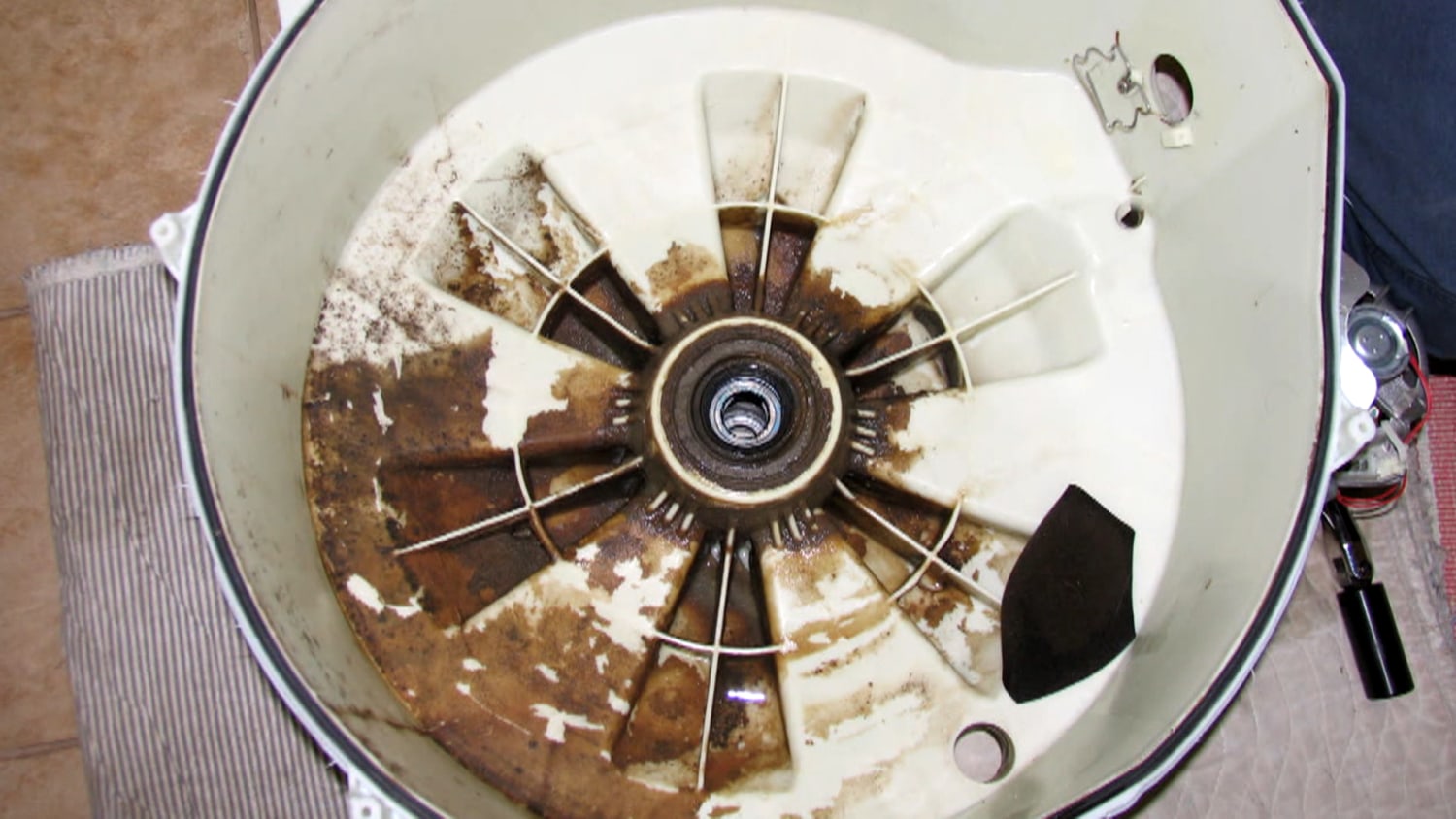
Mold in Laundry Rooms in Banana River: What Merritt Island Property Owners Should Know
Laundry rooms don’t usually get much attention. They’re practical spaces — washer, dryer, detergent, maybe a utility sink — and then you move on. But in Banana River–area homes on Merritt Island, laundry rooms are one of the most common places we find recurring mold problems, especially in properties close to the water.
Between Florida humidity, frequent appliance moisture, and coastal conditions unique to Banana River neighborhoods, laundry rooms quietly become the perfect environment for mold growth. The problem often develops slowly and out of sight, which is why many homeowners don’t realize there’s an issue until odors, damage, or indoor air quality changes become impossible to ignore.
This article breaks down why laundry room mold is so common in Banana River, what signs to watch for, where mold hides, and what actually works when it comes to inspection, removal, and prevention — all from a local, real-world perspective.
What Mold in Laundry Rooms Really Is
Mold is a natural organism that thrives in moist, warm environments. Laundry rooms provide exactly that: water lines, drain hoses, condensation, humid air, and limited ventilation. When moisture lingers — even in small amounts — mold spores can settle and begin growing on nearby surfaces.
In many Banana River homes, laundry rooms are located:
- In interior hallways
- Adjacent to garages
- Near slab foundations
- Against exterior walls exposed to humidity and salt air
These layouts make it easier for moisture to get trapped and harder for the area to dry out completely.
Why This Happens So Often in Banana River Homes
Laundry room mold isn’t random here — it’s tied directly to local coastal conditions.
Persistent humidity
Homes near Banana River deal with elevated indoor humidity year-round. Even when the laundry room looks dry, moisture in the air can settle on walls, flooring, and behind appliances.
High water table
Banana River neighborhoods sit close to sea level. Moisture can migrate upward through slab foundations, especially in older homes, contributing to damp conditions around laundry areas.
Appliance condensation
Washers, dryers, and utility sinks regularly release moisture. Without proper ventilation, that moisture builds up behind machines and inside wall cavities.
AC and duct proximity
Many laundry rooms share space with HVAC components or nearby ductwork. Cold air meeting humid air creates condensation — a major mold trigger.
Storm history
Past tropical storms, heavy rain events, or minor flooding may have left moisture behind walls or under flooring, even if visible water damage was never obvious.
Common Signs Homeowners Notice
Laundry room mold doesn’t always announce itself loudly. Some of the most common early signs include:
- Musty or earthy odors near the washer or dryer
- A damp feeling that never fully goes away
- Discoloration on walls, baseboards, or flooring
- Peeling paint or bubbling drywall
- Warped trim or soft drywall near appliances
- Increased allergy-like symptoms indoors
Because laundry rooms are often used briefly, these signs are easy to overlook — until the problem spreads.
Hidden or Overlooked Mold Sources
In Banana River homes, mold in laundry rooms is often not on the surface.
Behind washing machines and dryers
Leaks from supply hoses or drain lines often go unnoticed. Moisture pools behind machines and soaks into drywall or flooring.
Under flooring
Tile, vinyl, or laminate can trap moisture underneath. Mold grows below the surface long before anything looks wrong on top.
Inside walls
Slow plumbing leaks or condensation inside exterior walls allow mold to grow unseen.
Ceilings below bathrooms or attics
Laundry rooms located under bathrooms or near attic access points often experience moisture intrusion from above.
HVAC components
Nearby air handlers, return vents, or ductwork can introduce condensation that feeds mold growth.
Why DIY Mold Removal Usually Fails
It’s tempting to spray bleach, wipe the surface, and move on. Unfortunately, that approach almost always leads to repeat mold growth.
Bleach doesn’t fix moisture
It may lighten stains, but it doesn’t address humidity, leaks, or condensation.
Surface cleaning misses hidden mold
If mold exists behind walls or under flooring, wiping visible areas does nothing to remove the source.
Spore spread
Scrubbing without containment can release spores into the air, spreading them to other rooms.
Material damage
Harsh cleaners can damage drywall, flooring, and seals — creating even more places for moisture to enter.
DIY efforts often delay proper remediation while allowing the problem to worsen.
Professional Mold Inspection & Testing Explained
A proper laundry room mold inspection focuses on finding the moisture source, not just the visible growth.
Visual inspection
Professionals assess walls, ceilings, floors, and appliance connections.
Moisture detection
Meters and thermal tools help locate damp materials behind surfaces.
Air or surface sampling (when needed)
Testing helps confirm the presence and type of mold when conditions are unclear or concerns involve indoor air quality.
Clear explanations
Results are explained in practical terms — where the mold is, why it’s there, and what needs to be done.
In many Banana River homes, inspections reveal mold that homeowners didn’t realize existed.
Proper Mold Removal & Remediation Process
Effective remediation is about removal and prevention, not cosmetic cleanup.
Containment
Affected areas are sealed to prevent spore spread.
Material removal
Contaminated drywall, insulation, or flooring is safely removed when necessary.
Cleaning and treatment
Remaining surfaces are cleaned using methods appropriate for mold, not household disinfectants.
Moisture correction
Leaks are repaired, ventilation improved, and humidity controlled.
Drying and verification
Materials are dried thoroughly to prevent regrowth.
This process ensures mold doesn’t return after cleanup.
How to Prevent Mold in Banana River Laundry Rooms
Prevention is especially important in coastal Merritt Island homes.
- Use high-quality washing machine hoses and replace them regularly
- Ensure dryers vent fully to the exterior
- Run exhaust fans or improve airflow
- Keep doors open after laundry cycles to release humidity
- Monitor indoor humidity levels
- Address even small leaks immediately
- Inspect after heavy storms or plumbing work
Laundry rooms need just as much moisture control as bathrooms or kitchens.
Why Local Merritt Island Experience Matters
Laundry room mold in Banana River homes isn’t the same as mold in inland Florida properties. Local experience matters because professionals understand:
- Coastal humidity patterns
- Slab construction common to Merritt Island
- AC-related condensation issues
- Storm-related moisture intrusion
- Older waterfront building materials
This knowledge leads to faster diagnosis and better long-term results. Mold Removal Merritt Island approaches laundry room mold with these local factors in mind, focusing on accurate identification and lasting solutions rather than temporary fixes.
A Calm, Trust-Based Next Step
If your laundry room smells musty, feels damp, or has visible damage — or if you simply want peace of mind — a professional inspection can help clarify what’s going on. Early evaluation often prevents more extensive damage and keeps small issues from becoming major repairs.
In Banana River homes, laundry rooms may seem minor, but they often reveal bigger moisture patterns worth addressing sooner rather than later.
