
Mold in Kitchens in South Merritt Island: What Merritt Island Property Owners Should Know
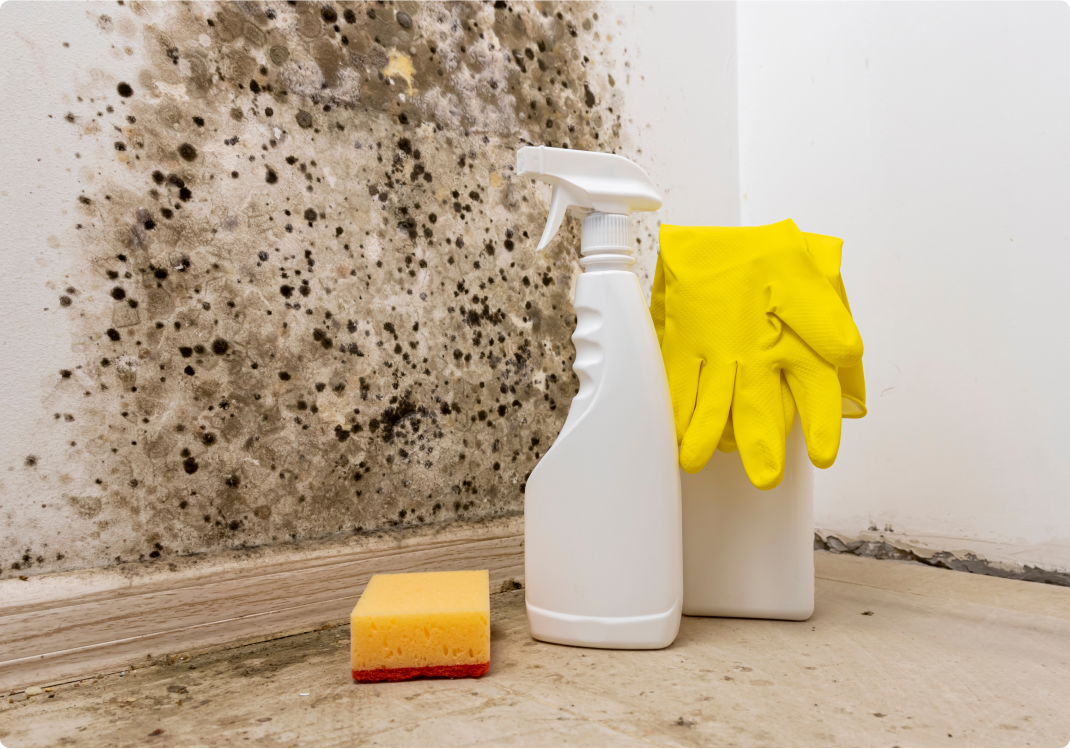
Kitchens in South Merritt Island may look clean on the surface, but they are one of the most overlooked mold-prone areas in the home. Between plumbing lines, dishwashers, refrigerators, ice makers, and daily humidity from cooking, kitchens quietly provide everything mold needs to grow. Unlike bathrooms, kitchen mold often stays hidden—spreading behind cabinets, under sinks, and beneath flooring before homeowners realize there’s a problem.
If you own property in South Merritt Island, understanding how kitchen mold forms, where it hides, and how to stop it early is critical for protecting both your health and your home’s value.
This guide covers exactly what Merritt Island property owners should know about mold in kitchens—and how to handle it the right way.
🌴 Why Kitchens in South Merritt Island Are Mold Magnets
South Merritt Island homes deal with high humidity year-round, but kitchens add multiple additional moisture sources that most homeowners don’t think about.
Common reasons mold develops in kitchens include:
- Leaking sink supply lines or drain pipes
- Dishwasher leaks or slow seepage
- Refrigerator and ice maker water line leaks
- Condensation behind cabinets
- Poor airflow behind appliances
- Spills that seep under flooring
- Cooking steam trapped indoors
Even small, slow leaks can create mold growth over time—especially when moisture remains hidden behind cabinetry or inside walls.
🦠 How Quickly Kitchen Mold Can Start Growing
In South Merritt Island’s warm climate, mold doesn’t need much time.
- Mold spores are always present in the air
- Moisture trapped under cabinets or floors activates growth
- Mold can begin forming in as little as 24–48 hours
- Hidden mold can spread for weeks or months unnoticed
By the time mold becomes visible in a kitchen, it has often already spread behind walls or cabinets.
🧰 Common Kitchen Mold Hotspots
Kitchen mold rarely grows in obvious places like countertops. Instead, it thrives in hidden, damp areas.
🚰 Under the Sink
- Cabinet floors
- Back walls near plumbing penetrations
- Around garbage disposal connections
🍽️ Dishwashers
- Behind the unit
- Under the floor beneath the dishwasher
- Around drain hoses and supply lines
🧊 Refrigerators & Ice Makers
- Behind refrigerators
- Beneath drip pans
- Along water supply lines
🪵 Cabinets & Walls
- Behind lower cabinets
- Inside wall cavities near plumbing
- Under toe-kick panels
🧱 Flooring
- Beneath tile or laminate
- Under vinyl flooring
- In subflooring from repeated spills
If moisture is present, mold almost always follows.
⚠️ Health Risks of Kitchen Mold
Because kitchens are central living spaces, mold exposure here can significantly affect indoor air quality.
Common health symptoms include:
- Sneezing, coughing, and throat irritation
- Headaches and sinus congestion
- Eye and skin irritation
- Increased allergy or asthma symptoms
- Fatigue or breathing discomfort
Cooking and airflow can spread mold spores from kitchens into other parts of the home, making the issue far more widespread than it appears.
🔍 Warning Signs of Mold in Your Kitchen
Kitchen mold often stays hidden, but there are warning signs property owners should never ignore.
Visual Signs
- Dark spots under sink cabinets
- Swollen or warped cabinet bases
- Peeling laminate or bubbling finishes
- Discoloration near plumbing lines
Smell
- Musty or earthy odors
- Strong smells when opening cabinets
- Persistent odors even after cleaning
Other Red Flags
- Cabinets feel soft or damp
- Flooring feels spongy near sinks or dishwashers
- Repeated need to clean the same area
If you smell mold but can’t see it, there’s a strong chance it’s growing behind cabinets or inside walls.
🧪 Mold vs. Water Damage: Knowing the Difference
Not all moisture damage is mold—but moisture always leads to mold if left untreated.
| Water Damage | Mold Growth |
|---|---|
| Staining or swelling | Fuzzy or slimy patches |
| Damp materials | Persistent musty odor |
| May dry out | Spreads and worsens |
| Cosmetic at first | Structural and health risk |
Addressing water damage immediately is the best way to stop mold before it starts.
🧽 DIY Cleaning: What Works and What Doesn’t
Some kitchen mold can be handled safely by homeowners—but only in limited situations.
DIY may be appropriate when:
- Mold is small and surface-level
- Growth is on non-porous surfaces
- No odors or leaks are present
DIY usually fails when:
- Mold is inside cabinets or drywall
- Plumbing leaks are involved
- Mold keeps returning
- There’s a strong musty smell
Bleach may remove surface stains, but it does not eliminate mold roots in wood, drywall, or subflooring.
🛑 When Professional Mold Remediation Is Necessary
Kitchen mold in South Merritt Island often requires professional attention due to hidden growth.
Call a professional if:
- Mold covers more than a small area
- Cabinets or walls feel soft
- Leaks have occurred or are suspected
- Odors persist after cleaning
- Mold is visible under flooring
Professional remediation focuses on finding and fixing the moisture source, safely removing contaminated materials, and preventing spread to other parts of the home.
🏠 Why South Merritt Island Kitchens Are Especially Vulnerable
Kitchens in South Merritt Island face unique risks due to:
- Coastal humidity and salt air
- Older plumbing in some neighborhoods
- Slab foundations that trap moisture
- Poor airflow behind built-in cabinetry
- Frequent rainstorms increasing indoor humidity
Even newer homes can develop kitchen mold if small leaks go unnoticed.
🛠️ Long-Term Kitchen Mold Prevention Tips
Preventing kitchen mold is all about moisture control and regular inspection.
Smart prevention steps include:
- Inspect under sinks monthly
- Replace aging supply lines
- Check behind dishwashers and refrigerators
- Clean refrigerator drip pans
- Wipe spills immediately
- Use exhaust fans while cooking
- Maintain indoor humidity below 55%
Small habits make a big difference over time.
📉 How Kitchen Mold Impacts Property Value
Kitchen mold can seriously affect resale value and inspections.
Unchecked mold can:
- Trigger failed home inspections
- Delay or cancel real estate transactions
- Require cabinet or flooring replacement
- Increase renovation costs significantly
Mold discovered during a sale often requires professional remediation before closing.
✅ Final Takeaway for Merritt Island Property Owners
Kitchen mold in South Merritt Island is common—but it should never be ignored.
If your kitchen shows warning signs:
✔ Investigate moisture immediately
✔ Don’t rely on surface cleaning alone
✔ Check hidden areas regularly
✔ Address plumbing issues fast
✔ Call professionals when mold persists
Early detection saves money, protects health, and preserves your home’s long-term value.
