
Mold in Kitchens in North Merritt Island: What Merritt Island Property Owners Should Know
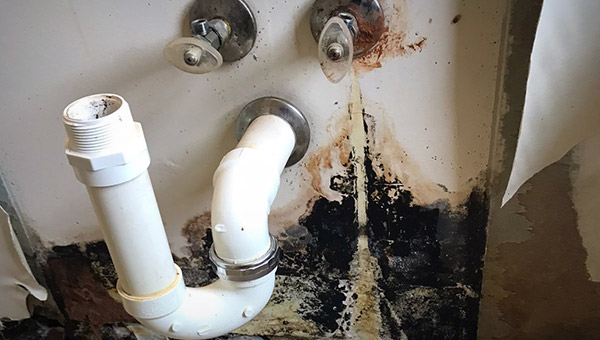
Kitchens in North Merritt Island are one of the most overlooked areas when it comes to mold — yet they’re one of the most common places it develops. Between cooking moisture, plumbing connections, appliances, and constant coastal humidity, kitchens quietly create ideal conditions for mold to grow out of sight. Many property owners don’t realize there’s a problem until odors appear, cabinets feel damp, or mold keeps returning no matter how often they clean.
In a waterfront, high-humidity area like North Merritt Island, kitchen mold is rarely about cleanliness. It’s almost always tied to hidden moisture, airflow issues, or long-term condensation that hasn’t been addressed properly.
Why Kitchens Are High-Risk Areas in North Merritt Island Homes
North Merritt Island homes experience year-round moisture pressure, and kitchens amplify it.
- Persistent coastal humidity
- Proximity to waterways and wetlands
- High water tables affecting slab foundations
- Steam from cooking and dishwashers
- Plumbing lines under sinks and behind walls
- Refrigerators producing condensation
- Cabinets and appliances restricting airflow
Because kitchens combine water, heat, and enclosed spaces, moisture often becomes trapped where homeowners can’t see it.
How Mold Develops in Kitchens
Kitchen mold usually starts quietly.
- Moisture builds up from cooking, leaks, or condensation
- Cabinets and walls absorb humidity
- Limited airflow prevents drying
- Porous materials stay damp
- Mold begins growing behind or beneath surfaces
In North Merritt Island’s humid climate, this process can happen faster than homeowners expect.
Common Places Mold Is Found in Kitchens
Kitchen mold rarely appears front and center.
Under sinks
Small plumbing leaks, slow drips, and condensation create constant moisture inside cabinets.
Behind cabinets
Cabinets installed against exterior walls often trap humidity with little airflow.
Behind appliances
Refrigerators, dishwashers, and ice makers produce condensation that goes unnoticed.
Under flooring
Tile, vinyl, and laminate flooring trap moisture over concrete slabs.
Inside walls
Plumbing penetrations and slow leaks allow moisture into wall cavities.
Around windows and doors
Condensation forms easily near kitchen windows in coastal homes.
Why Kitchen Mold Often Goes Undetected
Kitchen mold hides well.
- Cabinets block visibility
- Odors are masked by cooking smells
- Surfaces appear dry
- Moisture accumulates slowly
By the time mold is visible, it’s often been growing for weeks or months.
Early Warning Signs Homeowners Miss
Before mold becomes obvious, many property owners notice subtle changes.
- Musty smells inside cabinets
- Cabinets that feel damp or swollen
- Discoloration at cabinet bases
- Flooring that feels cool or soft near appliances
- Mold that returns after cleaning
- Increased condensation near sinks or windows
These signs almost always indicate hidden moisture, not surface mold alone.
Why Mold Keeps Coming Back in Kitchens
Recurring kitchen mold means the underlying cause wasn’t fixed.
Common causes include:
- Undetected plumbing leaks
- Poor airflow behind cabinets
- Condensation from refrigerators or dishwashers
- Slab moisture migrating upward
- High indoor humidity
- Infrequent inspection of hidden areas
Cleaning alone doesn’t address these conditions.
DIY Kitchen Mold Cleaning: Why It Rarely Works
Kitchen mold often looks manageable — until it returns.
DIY efforts fail because:
- Bleach doesn’t penetrate wood or drywall
- Scrubbing spreads spores
- Hidden mold remains behind cabinets
- Moisture sources stay active
- Mold spreads to nearby areas
In North Merritt Island homes, DIY cleanup often delays proper remediation.
Mold Cleanup vs. Mold Remediation in Kitchens
Understanding this difference is critical.
Mold cleanup
- Surface-level cleaning
- Temporary improvement
- No moisture correction
- Mold usually returns
Mold remediation
- Identifies hidden growth
- Uses containment if needed
- Removes contaminated materials
- Corrects moisture sources
- Focuses on long-term prevention
Persistent kitchen mold almost always requires professional remediation, not repeated cleaning.
Hidden Mold Behind Kitchen Cabinets
One of the biggest risks in kitchens is what’s behind the cabinets.
- Exterior walls stay cooler and collect condensation
- Plumbing penetrations allow moisture entry
- Cabinets block airflow
- Mold grows unnoticed
Many North Merritt Island homes discover extensive mold only after cabinets are removed.
Kitchens, Slab Foundations, and Moisture
Most North Merritt Island homes are built on concrete slabs.
- Ground moisture migrates upward
- Flooring traps moisture underneath
- Cabinet bases absorb moisture
- Mold develops at floor-to-wall transitions
This is especially common after heavy rain or prolonged humidity.
How Professional Inspections Address Kitchen Mold
Professional mold inspections focus on moisture behavior, not just visible growth.
They often include:
- Moisture readings inside cabinets and walls
- Plumbing and appliance checks
- Flooring moisture evaluation
- HVAC airflow assessment near kitchens
- Identification of condensation patterns
Mold Removal Merritt Island frequently finds kitchen mold tied to hidden leaks, slab moisture, and poor airflow, not obvious spills.
Proper Removal of Kitchen Mold
Effective remediation follows a controlled process.
- Containment to prevent spore spread
- HEPA air filtration
- Removal of contaminated cabinet materials or drywall if needed
- Cleaning of remaining structural surfaces
- Moisture correction (leaks, condensation, ventilation)
- Final evaluation to ensure stability
This approach prevents mold from returning.
Preventing Mold in North Merritt Island Kitchens
Prevention is about moisture control and awareness.
- Inspect under sinks regularly
- Address small leaks immediately
- Allow airflow behind appliances when possible
- Wipe condensation from refrigerators
- Maintain consistent indoor temperatures
- Monitor indoor humidity levels
- Check cabinet bases after storms or heavy rain
Small habits make a big difference in coastal homes.
Why Local North Merritt Island Experience Matters
Kitchen mold behaves differently in coastal environments. Local experience matters because professionals understand:
- Coastal humidity patterns
- Slab foundation moisture behavior
- Appliance-related condensation issues
- Plumbing layouts common in Florida homes
- Construction styles typical of North Merritt Island
Mold Removal Merritt Island applies this local knowledge to identify kitchen mold accurately and stop it at the source.
A Practical Takeaway for Property Owners
Mold in kitchens in North Merritt Island isn’t about poor housekeeping — it’s a hidden moisture problem waiting to be discovered. Because kitchens combine plumbing, appliances, heat, and humidity, mold often develops quietly behind cabinets and under flooring.
For Merritt Island property owners, early inspection, proper remediation when needed, and consistent moisture management are the most effective ways to prevent recurring kitchen mold and protect long-term property value in a coastal environment where moisture is always present.
